Hantavirus Alert 2026: British Passengers Self-Isolate as “Rat-Virus” Outbreak on MV Hondius Hits Europe

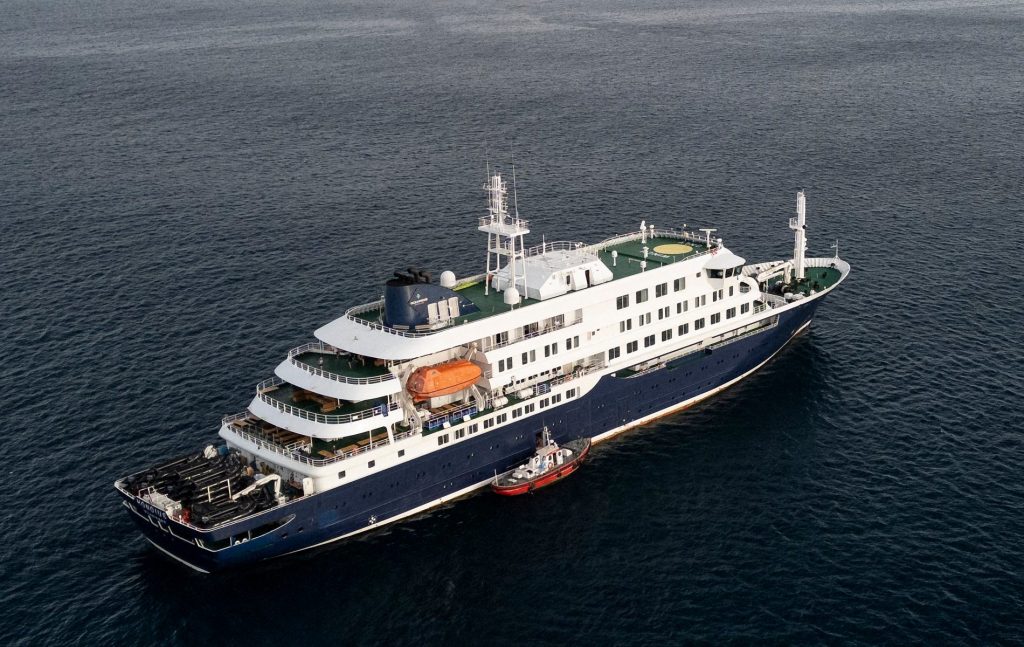
The year 2026 has brought a stark reminder of the fragility of global travel health. In a developing story that has gripped the international community, two British passengers who were aboard the MV Hondius, a luxury cruise ship recently struck by a deadly hantavirus outbreak, are now self-isolating at their homes in the United Kingdom.
The news comes as the virus, often dubbed the “rat-virus” due to its rodent-borne origins, has officially been detected on European soil. A Swiss national who disembarked from the same vessel has tested positive in Zurich, sparking a massive international contact-tracing effort coordinated by the World Health Organization (WHO) and the UK Health Security Agency (UKHSA).
While health officials maintain that the risk to the general British public remains “very low,” the incident has raised urgent questions about biosecurity protocols on expedition cruises and the speed of passenger notifications during infectious disease outbreaks.
The UK Connection: Precautionary Isolation in 2026
The two British nationals currently under observation were part of a group that left the MV Hondius during its scheduled stop at St Helena between April 22 and 24. At the time of their departure, the full scale of the viral threat was not yet realized by the passengers.
According to the UKHSA, the pair traveled from St Helena to Johannesburg before flying back to the UK. Crucially, they are currently asymptomatic. However, because they were identified as close contacts of confirmed cases on the ship, they have been advised to undergo a strict eight-week isolation period. This lengthy duration reflects the long incubation period sometimes associated with specific hantavirus strains.
Why Eight Weeks?
Medical experts suggest that while symptoms often appear within two to four weeks, the precautionary window is extended to ensure there is zero risk of onward transmission. Dr. Meera Chand, Deputy Director for Epidemic and Emerging Infections at UKHSA, stated:
“We are standing up arrangements to support, isolate, and monitor British nationals. Our goal is to limit any risk of onward transmission through rigorous contact tracing.”
The Swiss Case: A Wake-Up Call for Europe
The urgency of the situation intensified when a Swiss man, who had also disembarked at St Helena, fell ill upon returning to Zurich. Unlike the British passengers, the Swiss man developed symptoms shortly after his arrival.
He was one of 23 passengers who had dispersed across the globe—reaching Australia, Taiwan, the United States, and various parts of Europe—before the ship’s operator issued a formal health alert. The Swiss patient reportedly only sought specialized care after receiving an email from the cruise operator informing him of the “health event” on board.
This delay in notification has been a point of contention. One passenger, speaking to the Spanish newspaper El Pais, expressed frustration that travelers were “wandering around” for days without knowing they had been exposed to a potentially fatal pathogen.
Understanding the “Rat-Virus”: The Andes Strain Explained
The virus identified in this outbreak is the Andes virus, a specific type of hantavirus. While many hantaviruses are known to be transmitted from rodents to humans via the inhalation of aerosolized droppings or urine, the Andes strain is particularly concerning to scientists because it is one of the few capable of human-to-human transmission.
The Source: Ushuaia and the Long-Tailed Pygmy Rice Rat
Investigators believe the outbreak originated during the ship’s visit to Ushuaia, Argentina, located at the southernmost tip of South America. The working theory is that a Dutch couple, who were the first to fall ill, may have been exposed while bird-watching.
The Culprit: The long-tailed pygmy rice rat (Oligoryzomys longicaudatus).
The Location: A landfill site or rural area near Ushuaia frequented by ornithologists.
The Transmission: Exposure to dust contaminated by infected rodent excreta.
Argentine health officials are currently conducting rodent trapping and environmental analysis in Ushuaia to reconstruct the itinerary of the affected passengers and prevent further local cases.
Tragedy at Sea: The Human Toll
The MV Hondius outbreak has already turned fatal for three individuals.
- A 70-year-old Dutchman: Died on April 11 while the ship was at sea.
- The Dutchman’s Wife: Fell ill during the cruise and passed away in a hospital in Johannesburg after disembarking with her husband’s body.
- A German Woman: Confirmed as the third fatality linked to the virus.
In addition to the deaths, several others have required emergency medical evacuation. A 56-year-old British crew member, a 41-year-old Dutch doctor, and a 65-year-old German passenger were airlifted from the vessel near Cape Verde.
The Evacuation Crisis: Hazmat Suits and Closed Borders
The logistics of managing an infectious disease outbreak on a ship are notoriously difficult. As the MV Hondius sat anchored under lockdown off the coast of Cape Verde, the international community scrambled to provide aid.
The evacuation process was fraught with diplomatic hurdles. Morocco reportedly refused permission for a medical flight to land for refueling, forcing the aircraft to divert to the Canary Islands. Meanwhile, images of medical staff in full hazmat suits boarding the vessel and transporting patients on stretchers have highlighted the severity of the clinical situation.
Political Tension in the Canary Islands
The decision to allow the ship to dock in the Canary Islands for further evacuations sparked a political row. Fernando Clavijo, the regional president of the islands, voiced concerns over public safety, demanding high-level meetings with the Spanish Prime Minister. This highlights the ongoing tension between humanitarian necessity and the “not in my backyard” sentiment that often accompanies rare viral outbreaks.
UK Government Response: “Taking This Incredibly Seriously”
In London, the government has moved into a high-alert phase to manage the return of the remaining British nationals. There are still more than 20 Britons trapped on the vessel, which is currently making its way toward a designated port for final disembarkation.
Foreign Secretary Yvette Cooper described the situation as “deeply stressful” for families. Health Secretary Wes Streeting echoed these concerns, confirming that the Department of Health and Social Care (DHSC) is working in tandem with the Foreign Office to ensure all citizens are repatriated under “proper protection for public health.”
The UKHSA Strategy for 2026
The UKHSA’s strategy involves:
Enhanced Surveillance: Monitoring all incoming flights from South Africa and the Atlantic islands that may carry MV Hondius passengers.
Direct Support: Providing 24/7 medical advice to those in self-isolation.
Contact Tracing: Identifying every individual who sat near the confirmed cases on their flights home.
Symptoms and Safety: What You Need to Know
While the risk to the general public is low, understanding the symptoms of hantavirus is crucial for travelers visiting South America or those who may have been in contact with the ship’s community.
Early Symptoms (Days 1-5):
High fever and chills.
Severe muscle aches (especially in the thighs, hips, and back).
Fatigue and dizziness.
Headaches and gastrointestinal issues (nausea, vomiting).
Late Symptoms (Hantavirus Pulmonary Syndrome):
Shortness of breath and coughing.
Fluid accumulation in the lungs.
- Respiratory failure.
Health officials urge anyone who has recently traveled on a cruise in the South Atlantic and experiences these symptoms to self-isolate immediately and contact health services via telephone, mentioning their travel history.
The Future of Expedition Cruising Post-2026
The MV Hondius incident is likely to lead to a permanent shift in how expedition cruises operate. These “adventure” cruises, which take passengers into remote wilderness areas like the Arctic and Antarctic, often involve excursions into habitats where rare zoonotic diseases exist.
Potential Changes Include:
- Mandatory Health Screenings: More rigorous testing before and after shore excursions in high-risk areas.
- Rodent Mitigation: Enhanced protocols for cleaning and inspecting vessels that dock in ports known for hantavirus activity.
- Real-time Reporting: New international regulations requiring cruise lines to report any “unusual health event” to the WHO within hours, rather than days.
Conclusion: A Global Effort to Contain the Threat
As of late Wednesday, the world remains on edge as the MV Hondius continues its journey. The detection of a case in Switzerland proves that the virus has no borders, making the self-isolation of the British passengers a vital step in protecting the UK.
The combined efforts of the UKHSA, WHO, and South African health officials represent a massive undertaking in modern epidemiology. While the tragedy of the lives lost cannot be undone, the rapid response in May 2026 aims to ensure that this “rat-virus” outbreak is contained before it can become a broader public health crisis.
For the families of those still on board, the wait continues. For the two Britons at home, the next eight weeks will be a period of quiet vigilance—a small price to pay for the safety of the nation.