Global Health Alert: Tracking the MV Hondius Hantavirus Outbreak and the St. Helena Disembarkation Crisis

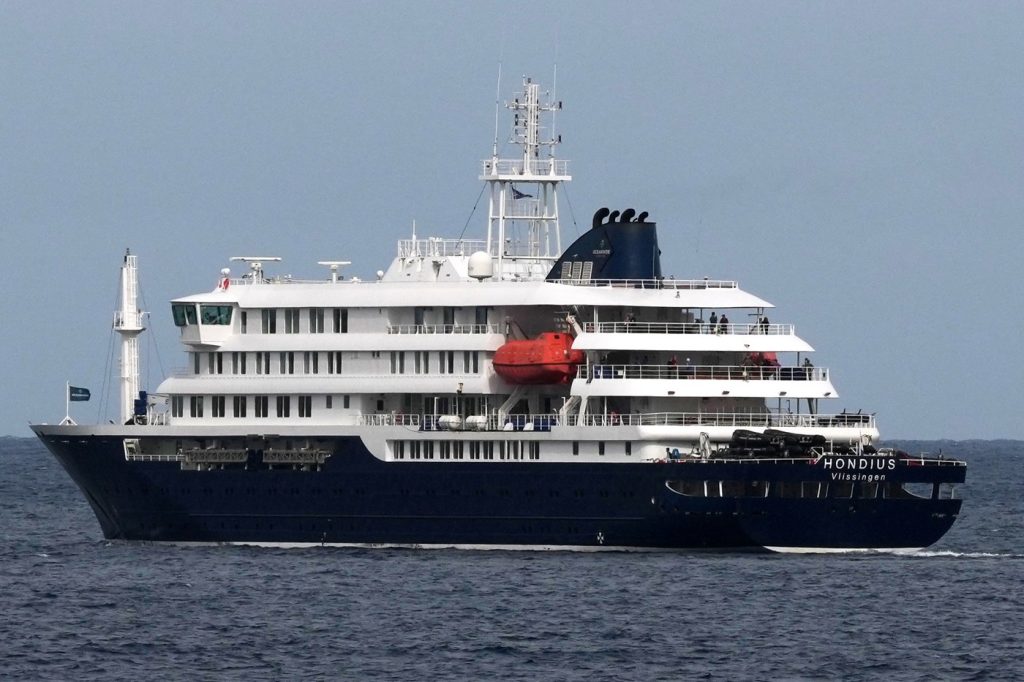
The maritime world and international health authorities are currently grappling with a high-stakes public health emergency involving the MV Hondius cruise ship. As of May 2026, this vessel has become the epicenter of a rare and lethal hantavirus outbreak, specifically linked to the Andes strain—a variant noted for its alarming potential for human-to-human transmission.
While the ship remains anchored off the coast of Praia, Cape Verde, with over 140 passengers and crew effectively quarantined, a secondary crisis has emerged. It has been revealed that approximately 40 passengers disembarked at the remote island of St. Helena before the severity of the outbreak was fully understood. This development has triggered a massive, multi-country contact tracing effort to prevent further spread of the virus.
The Timeline of the MV Hondius Crisis
The situation aboard the MV Hondius began to deteriorate in April 2026 as the ship made its way across the Atlantic. What began as a routine expedition quickly turned into a fight for survival.
Initial Infections and Fatalities
The first signs of trouble appeared when a passenger fell critically ill, leading to a tragic death on April 11. Following this, the ship docked at the British territory of St. Helena on April 24. It was during this stop that the body of the deceased Dutch passenger was removed, accompanied by his wife.
Tragically, the situation escalated further when the widow, who had traveled to South Africa via a commercial flight, collapsed at an airport in Johannesburg and later died. Medical authorities have since confirmed that both she and her husband were victims of the Andes hantavirus strain. By early May, the death toll associated with the voyage had risen to three, with several others, including crew members and a British national currently in the ICU, fighting for their lives.
The St. Helena Disembarkation: A Contact Tracing Nightmare
The revelation that 40 passengers left the vessel at St. Helena has shifted the focus of international health agencies, including the World Health Organization (WHO), from the ship itself to the global community.
Why St. Helena is a Concern
St. Helena, a remote British Overseas Territory in the South Atlantic, has limited medical infrastructure compared to major mainland hubs. The sudden arrival of dozens of passengers from a “hot zone” vessel has put local authorities on high alert.
The Swiss Connection: It was confirmed that at least one passenger who disembarked at St. Helena and subsequently flew to Switzerland tested positive for hantavirus. This proves that the virus was already in circulation among those who left the ship.
The Traceability Challenge: Because these 40 individuals traveled to various international destinations via commercial flights, health officials are struggling to track their exact movements.
Public Health Response: Authorities in Europe, Africa, and beyond are working in unison to locate these passengers, monitor their health, and provide testing for those who might have been exposed during the voyage.
Understanding the Andes Hantavirus Strain
Unlike most hantaviruses, which are typically contracted through contact with rodent excreta, the Andes strain identified on the MV Hondius is unique. It is the only known hantavirus that has demonstrated the ability to transmit from one human to another.
Clinical Manifestations
The virus typically presents with symptoms that can easily be mistaken for severe influenza or other tropical diseases, making early diagnosis difficult:
- Early Symptoms: High fever, persistent headaches, and intense abdominal pain.
- Respiratory Distress: As the virus progresses, it often leads to Hantavirus Pulmonary Syndrome (HPS), where the lungs fill with fluid.
- Rapid Deterioration: The speed at which the Dutch widow collapsed in Johannesburg highlights the aggressive nature of the pathogen.
Medical experts are urging anyone who was on the MV Hondius or who has been in direct contact with passengers from the vessel to seek immediate medical attention if they experience even minor respiratory symptoms.
The Current State of the MV Hondius
As of May 6, 2026, the MV Hondius remains under strict quarantine off the coast of Cape Verde. The ship is carrying 147 people, including passengers and a significant number of Filipino crew members.
Why the Ship Cannot Disembark
The decision to keep the ship at sea is a calculated move to prevent the further spread of the Andes strain. With three deaths already recorded and multiple individuals requiring critical care—including the ship’s doctor who was evacuated to Europe—the risk of allowing passengers to return to their home countries without a controlled quarantine period is deemed too high.
The WHO is currently leading the international response, coordinating with local Cape Verdean authorities to provide medical supplies and facilitate the potential evacuation of the most severe cases to specialized facilities.
Global Implications and Safety Protocols
This outbreak serves as a stark reminder of the vulnerabilities inherent in modern cruise travel. When a highly contagious or rare pathogen enters a confined, mobile environment, the logistics of containment become exponentially more complex.
Lessons for the Cruise Industry
Enhanced Screening: The industry will likely see a push for more rigorous health screenings that account for rare zoonotic diseases.
Rapid Response Teams: Ships may soon be required to carry standardized diagnostic kits for a wider array of viruses, not just common respiratory illnesses.
Transparency: The delay in acknowledging that 40 passengers had left the ship at St. Helena has sparked criticism regarding the cruise operator’s communication protocols. Future regulations will likely enforce real-time reporting of all disembarkations during health-related crises.
Conclusion: A Race Against Time
The situation aboard the MV Hondius and the subsequent dispersion of its passengers across the globe is a developing story that highlights the fragility of global health security. As contact tracers work around the clock to locate the 40 individuals who left at St. Helena, the international community remains on edge.
The focus now is twofold: providing life-saving care to those currently trapped on the vessel and ensuring that those who have already departed are properly screened and treated. With the Andes hantavirus proving its lethality, the coming weeks will be critical in determining whether this outbreak can be contained or if it will lead to a wider, more complex public health challenge.
Key Takeaways for Travelers:
Stay Informed: Always monitor health advisories issued by your home country when traveling to remote or international destinations.
Early Reporting: If you have been on a vessel where an infectious disease has been reported, do not wait for symptoms to worsen before seeking professional medical help.
- Cooperate with Authorities: The success of contact tracing relies entirely on the transparency and cooperation of the passengers involved.