Global Health Alert: The MV Hondius Hantavirus Crisis and the St. Helena Disembarkation Mystery

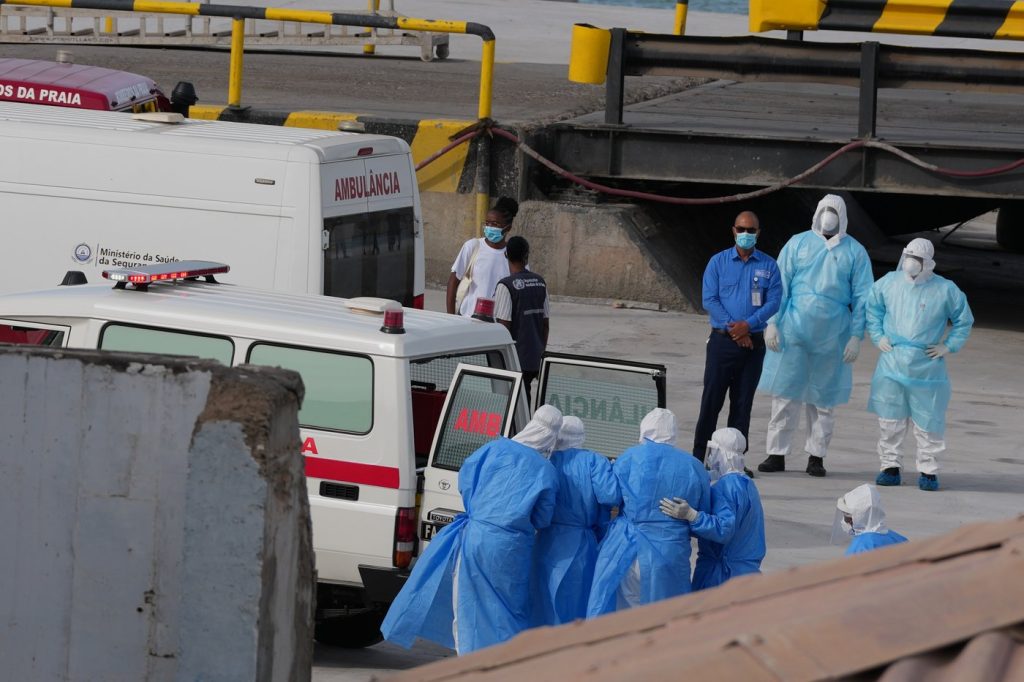
The maritime world is reeling in May 2026 following a harrowing public health emergency aboard the Dutch cruise ship MV Hondius. What began as a routine expedition through the South Atlantic has spiraled into a complex, multi-national containment operation after a deadly outbreak of hantavirus—specifically the rare Andes strain—was confirmed on board. With at least three confirmed deaths and a growing list of symptomatic passengers and crew, international health authorities are scrambling to track approximately 40 individuals who disembarked on the remote island of St. Helena before the full scale of the contagion was understood.
The Timeline of a Maritime Disaster
The situation regarding the MV Hondius has evolved rapidly since the first signs of illness emerged in mid-April 2026. As the vessel sailed from the waters near Argentina, through the South Atlantic, and toward the African coast, the health of those on board began to deteriorate alarmingly.
By early May 2026, the World Health Organization (WHO) and various national health ministries were alerted to a cluster of severe respiratory illnesses on the ship. The situation became critical when it was confirmed that the virus circulating was the Andes strain, a rare variant of hantavirus known for being the only one capable of human-to-human transmission.
The St. Helena Exit Point
One of the most alarming aspects of this outbreak is the movement of passengers. Dutch officials have confirmed that approximately 40 passengers left the MV Hondius during a scheduled stop at the British overseas territory of St. Helena.
This group included the widow of a Dutch passenger who tragically passed away early in the voyage. Her subsequent journey, which involved flying to South Africa before collapsing at an airport in Johannesburg, serves as a grim example of the potential for rapid global spread. Health officials across Europe, Africa, and beyond are now engaged in a massive contact-tracing effort to locate these individuals, many of whom may be asymptomatic carriers of the virus.
Understanding the Andes Hantavirus Strain
Hantaviruses are typically transmitted to humans through contact with the urine, feces, or saliva of infected rodents. However, the Andes strain identified on the MV Hondius presents a unique and frightening challenge due to its potential for person-to-person transmission.
Why This Outbreak is Different
Human-to-Human Transmission: Unlike common rodent-borne hantaviruses, the Andes strain can spread between people, increasing the risk of an epidemic in confined spaces like cruise ships.
Respiratory Severity: The virus manifests as Hantavirus Pulmonary Syndrome (HPS), which causes fluid to fill the lungs, leading to acute respiratory failure.
Diagnostic Challenges: Because hantavirus symptoms often mimic the flu or severe pneumonia, early detection is difficult, especially in a remote maritime environment.
The Current Status of the MV Hondius
As of early May 2026, the MV Hondius remains anchored off the coast of Praia, Cape Verde. The ship, which carried 147 people (88 passengers and 61 crew members) at the onset of the crisis, has become a floating quarantine zone.
Evacuation and Medical Response
The logistical difficulty of managing a viral outbreak in international waters cannot be overstated. Recent updates indicate:
- Multiple Evacuations: Several critically ill individuals, including the ship’s doctor, have been medevaced to Europe and South Africa for specialized intensive care.
- Stranded Passengers: The remaining 100+ individuals on board are currently unable to disembark, awaiting further instructions from health ministries and the vessel’s operators, Oceanwide Expeditions.
- The Contact Trace: Authorities are working to identify the whereabouts of the 40 passengers who left at St. Helena. One individual has already tested positive in Switzerland after flying home, highlighting the global reach of this exposure.
Global Health Implications and Lessons Learned
The MV Hondius incident serves as a stark reminder of the vulnerabilities inherent in modern cruise tourism. When a highly contagious pathogen enters a ship, the vessel effectively becomes an incubator.
Strengthening Maritime Health Protocols
Public health experts are already calling for a re-evaluation of how cruise ships handle infectious disease outbreaks. Key areas for improvement include:
Enhanced Screening: Implementing more robust diagnostic testing for respiratory illnesses before and during long-haul expeditions.
Quarantine Infrastructure: Ships must be equipped with better isolation facilities to handle potential outbreaks without requiring immediate port intervention.
Rapid Reporting: The delay in acknowledging the scale of the St. Helena disembarkations has complicated the international response. Future protocols must mandate immediate disclosure of passenger movements during medical emergencies.
Conclusion: A Race Against Time
The situation aboard the MV Hondius is far from over. As health officials in South Africa, Switzerland, and across Europe continue to trace the contacts of those who left the ship at St. Helena, the primary goal remains the containment of the Andes strain.
The tragic loss of life—with three confirmed deaths already—is a sobering reminder of the dangers posed by zoonotic diseases in an interconnected world. For the remaining passengers and crew, the focus is on safety and medical stabilization. For the rest of the world, this outbreak serves as a critical case study in the necessity of global health cooperation and the importance of rapid, transparent communication during a public health crisis.
As we move through 2026, the MV Hondius story will undoubtedly shape the future of international maritime travel and health safety regulations. Ensuring the health of those on the high seas requires not only advanced technology but also the unwavering commitment of nations to act in unison when a threat transcends borders.