Will My Flight Be Axed? The 2026 Jet Fuel Crisis Survival Guide for Summer Travelers

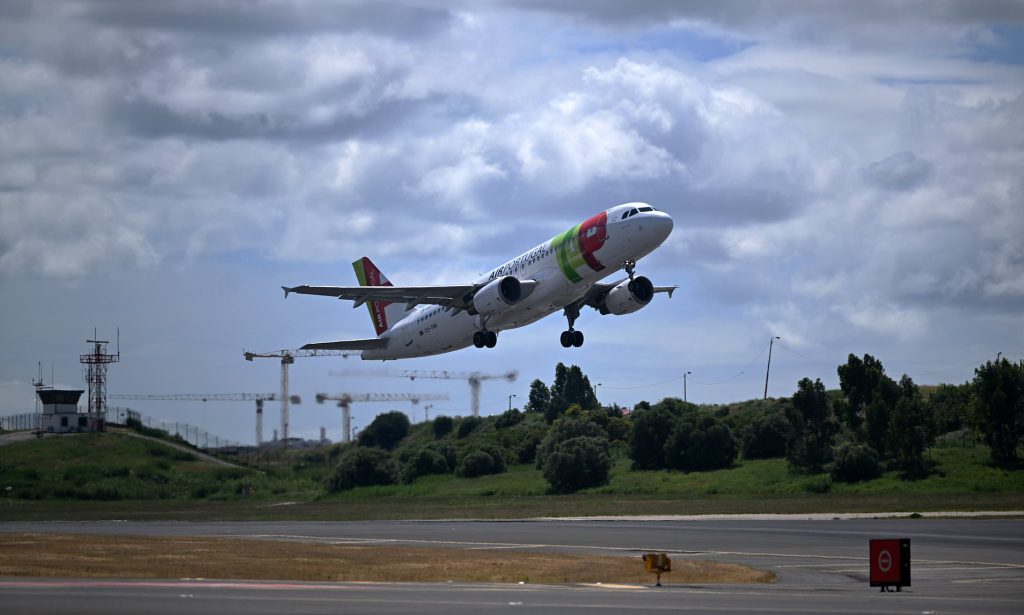
The summer of 2026 is shaping up to be a challenging season for globetrotters. As the global aviation industry grapples with a deepening jet fuel crisis triggered by the ongoing conflict involving Iran and the resulting blockade of the Strait of Hormuz, the travel landscape has shifted overnight. With millions of seats already culled from airline schedules, many travelers are asking the same urgent question: “Will my flight be axed?”
While the situation is undoubtedly fluid, it is not time to panic. Understanding your rights, the nature of airline fuel hedging, and the mechanics of flight scheduling can help you navigate this period of uncertainty. Whether you have a dream vacation booked or are still in the planning phase, here is everything you need to know about the 2026 travel disruption.
Why Are Flights Being Cancelled Right Now?
The core of the issue lies in the global oil supply chain. The Strait of Hormuz is a critical artery for energy transport; its current blockade has choked off roughly 30% to 40% of Europe’s jet fuel supply. Because jet fuel accounts for approximately 25% of an airline’s total operating costs, the resulting price spikes—ranging from 70% to 110%—have forced carriers to re-evaluate their capacity.
The “Use-It-or-Lose-It” Rule Relaxation
In a significant move to prevent “ghost flights,” the UK Transport Secretary has relaxed the traditional “use-it-or-lose-it” rules. Under normal circumstances, airlines are forced to operate 80% of their landing slots to retain them for future seasons. By removing this pressure, regulators have effectively given airlines a “green light” to consolidate flights, reducing service frequency to save fuel without losing their lucrative airport slots.
Hedging: The Secret Weapon of Budget Carriers
You may notice that while some airlines are cutting routes aggressively, others are maintaining their schedules. This discrepancy often comes down to fuel hedging. Budget giants like Ryanair, EasyJet, and Wizz Air often purchase their fuel months—sometimes years—in advance at locked-in rates. Airlines that failed to hedge effectively are the ones feeling the most immediate pressure to trim their schedules to remain profitable.
What Should You Do If You Have Booked Travel?
The golden rule for the 2026 summer season is: Wait for the airline to contact you. Checking your booking status every hour will only lead to unnecessary stress. Airlines are currently in a cycle of rescheduling, and they are legally obligated to inform you of significant changes.
When Will You Be Notified?
Aviation experts suggest that if your flight is going to be impacted, you will typically receive notification between four and eight weeks before departure. The four-week mark is currently the most common window for adjustments. If you are within a few weeks of your trip and have heard nothing, it is statistically likely that your flight will proceed as planned.
Are Long-Haul Flights at Higher Risk?
Yes. Long-haul routes are significantly more vulnerable to fuel-related cancellations. These flights require massive fuel reserves, and in some cases, aircraft are being diverted or restricted due to supply shortages at specific destination airports. Conversely, short-haul flights are often safer, as planes can frequently carry enough fuel for a round trip, insulating them from supply issues at the destination airport.
Understanding Your Passenger Rights
If the worst happens and your flight is cancelled, do not be intimidated. You are protected by robust consumer laws, provided you know how to exercise them.
- The Right to a Refund or Rerouting: If your flight is axed, you are legally entitled to a full cash refund or a replacement flight to reach your destination at the earliest opportunity.
- Compensation Eligibility: If a cancellation is confirmed less than 14 days before your scheduled departure, you may be entitled to compensation ranging from £110 to £520, depending on the length of the flight.
- The “Fuel Surcharge” Myth: Airlines cannot retrospectively add fuel surcharges to a ticket you have already purchased. If an airline claims they are adding a “fuel surcharge,” it applies only to new bookings. Your contract price is locked in the moment you pay.
Package Holidays: A Safer Bet?
For those worried about the volatility of the 2026 fuel market, package holidays offer a layer of protection that DIY travel does not. Under the Package Travel Regulations (2018), tour operators are highly regulated regarding how they pass on costs.
Can Tour Operators Increase Prices?
Technically, yes—but with strict caveats. Operators can pass on a maximum of 8% of the total holiday cost if fuel or tax prices rise unexpectedly. However, they must notify you more than 20 days before departure. If the price hike exceeds 8%, you have the right to cancel your booking and receive a full refund.
Furthermore, major operators like Jet2, TUI, and Kuoni have proactively stated they will not impose surcharges on existing bookings, making them a safer, more predictable choice for summer 2026.
Risks of DIY Travel in 2026
If you prefer to book your own flights, hotels, and car rentals separately, you must be hyper-vigilant. The primary risk is the “domino effect.” If your outbound flight is delayed or moved to a different day due to fuel shortages, your pre-booked hotel or car rental reservation might not automatically adjust.
Pro-tips for DIY travelers:
Prioritize Flexible Cancellation: Always choose accommodation and car rental options that offer free or flexible cancellation.
Check Car Rental Hours: If you are rebooked on a late-night flight, verify that your car rental agency will still be open when you arrive.
- Purchase Comprehensive Travel Insurance: Ensure your policy covers “disruption” or “cancellation” specifically related to fuel shortages or government-mandated travel changes.
Will Prices Keep Rising?
The short answer is yes. With global capacity reduced, the laws of supply and demand are in full force. Flight prices have already seen a 24% year-on-year increase. While some carriers may keep prices low to capture market share, the general trend for the summer is upward.
If you have a vacation in mind, booking sooner rather than later is generally the best strategy. The risk of waiting for a “last-minute deal” is high this year, as the limited number of seats will likely be snapped up quickly, pushing prices even higher as the departure date nears.
Conclusion: Staying Calm in a Volatile Market
The 2026 jet fuel crisis is undeniably a hurdle for summer travelers, but it is not an insurmountable one. While airlines are trimming their schedules and adjusting their routes to navigate the conflict in the Middle East, the vast majority of flights will continue to operate.
By choosing package holidays when possible, opting for flexible booking terms, and understanding your rights as a passenger, you can insulate yourself from the worst of the disruption. Stay informed, keep an eye on your email for updates, and remember that airlines have a vested interest in getting you to your destination—even if the path there is slightly less direct than usual.