London Local Elections 2026: Zack Polanski’s Bold Gamble to Break the Labour Stronghold

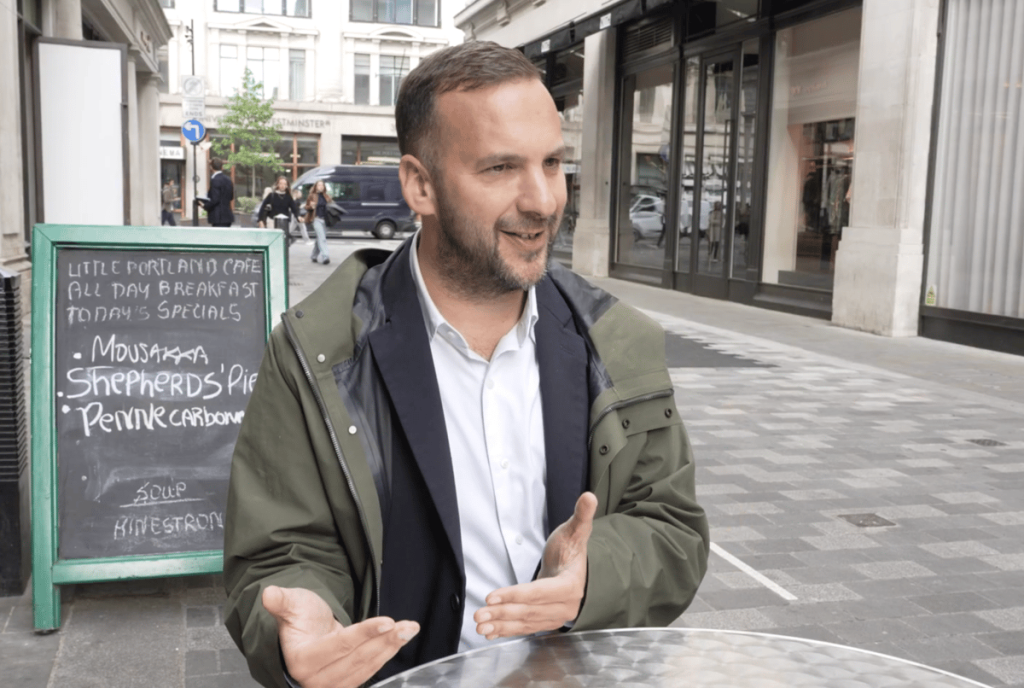
As the 2026 local elections approach, the political landscape in the capital is shifting beneath our feet. Green Party leader Zack Polanski has issued a rallying cry to Londoners: “Vote Green, make history.” With the May 7 polling date fast approaching, Polanski is positioning his party not merely as a protest vote, but as a viable alternative to the long-standing Labour dominance that has defined London’s council chambers for decades.
This election cycle is shaping up to be a defining moment for the UK’s political geography. With polling data suggesting significant momentum, the Greens are aiming to move beyond their traditional niche and secure a substantial foothold in boroughs like Hackney, Lewisham, and Lambeth.
The Strategy: Redrawing the Political Map
Zack Polanski’s approach is nothing if not ambitious. By targeting Labour’s “stronghold” grip on the capital, he is challenging the status quo. The Green Party’s strategy for 2026 centers on a “virtuous circle” economic model, designed to break the “doom loop” of high rents and stagnant wages that has plagued London residents for years.
Targeting the Hackney Mayoralty
Polanski has expressed immense confidence in the candidacy of Zoe Garbett for the Mayor of Hackney. For the Greens, a win here would be a symbolic and practical breakthrough, proving that they can manage a major London borough.
The party’s push is fueled by voters who feel disillusioned by Labour’s perceived inertia. As one voter noted, the shift toward the Greens is often driven by a desire for policies that prioritize the “everyday person” over party-line politics.
Economic Reform and the “Virtuous Circle”
At the heart of the Green manifesto is a radical rethink of how London handles its wealth. Polanski is unashamedly backing wealth taxes, arguing that those with the “broadest shoulders” must contribute more to restore crumbling public services.
Addressing the Wealth Divide
The Green proposal includes a 1% tax on assets over £10 million and a 2% levy on assets exceeding £1 billion. While critics argue this will drive investment away from the city, Polanski frames it as a matter of social justice. He points to the absurdity of a cleaner paying a higher proportional tax rate than the owner of the building they maintain.
By injecting this revenue into public services and affordable housing, the Greens believe they can stimulate the local economy from the bottom up. The goal is to ensure that Londoners have more disposable income, which in turn supports local businesses, creating a cycle of growth that benefits everyone rather than just the elite.
Housing: A Crisis of Policy and Priorities
Housing remains the single most pressing issue for Londoners. Polanski has been fierce in his criticism of the current trajectory, specifically targeting “land banking”—where developers hold onto prime land to inflate prices rather than building the homes the city desperately needs.
Moving Beyond Skyscrapers
The Green Party’s vision for 2026 is a departure from the current trend of erecting luxury skyscrapers that remain empty, serving as assets for foreign investors. Instead, Polanski is advocating for:
Prioritizing Brownfield Sites: Focusing on urban renewal rather than encroaching on protected green spaces.
Affordable Housing Mandates: Ensuring that new developments actually serve the local population.
Challenging “Nonsense” Criticisms: Dismissing claims that the Greens are “blocking” housing, Polanski argues that they are simply blocking bad housing that is unaffordable or environmentally damaging.
The inspiration for this community-led approach is drawn from international successes, such as the work of Zohran Mamdani in New York. The Greens believe that if it can work in the Big Apple, it can certainly transform London.
Tackling Complex Issues: Crime, Policing, and Social Cohesion
The 2026 campaign has not been without controversy. Polanski’s recent interactions with the Metropolitan Police, particularly regarding his public scrutiny of police conduct during the Golders Green stabbing investigation, caused a dip in his personal approval ratings.
The Challenge of Antisemitism
The Green Party has faced intense pressure to address concerns regarding antisemitism within its ranks. Polanski has acknowledged that the party needs to do more, promising a overhaul of candidate vetting processes. He maintains that while a “handful of cases” have been unacceptable, the party is committed to rooting out prejudice and fostering inclusive communities.
Rethinking Public Safety
Polanski’s views on policing are equally provocative. He argues that current stop-and-search tactics are often racially biased and ineffective. Instead of focusing on low-level cannabis possession, he proposes shifting police resources toward combating real community threats, such as mobile phone theft and violent crime, which directly impact the daily lives of Londoners.
Is a “Green Wave” Truly Coming?
As we look toward May 7, the question remains: is the “sea of Green” predicted by some pollsters a reality? With nearly half of voters in some districts considering a shift away from their traditional party, the potential for a massive upset is higher than it has been in decades.
Why Voters are Switching
The shift isn’t just about environmentalism. It’s about:
- Hope over Fear: Voters are tired of tactical voting to “stop” one party or another; they want to vote for* a vision.
- Cost of Living: The promise to freeze energy price caps and build affordable housing resonates deeply with those struggling to make ends meet.
- Local Accountability: The demand for councillors who are “batting for them every single day” is a direct response to the perceived detachment of the major party machines.
Conclusion: A Turning Point for London
Zack Polanski’s campaign is a high-stakes gamble that reflects a broader dissatisfaction with the political status quo. Whether or not the Greens achieve their goal of 1,000 council seats nationwide or secure a mayoral victory in Hackney, their influence on the 2026 election discourse is undeniable.
By framing the election as a choice between a “doom loop” of economic struggle and a proactive, community-focused future, the Green Party has successfully forced other parties to address the issues they were previously content to ignore. Regardless of the final tally on May 7, London’s political map is being redrawn, and the Greens are undoubtedly holding the pen.