Investigation Update: Teenager Among Three Arrested Following Lurgan Police Station Car Bomb Attempt

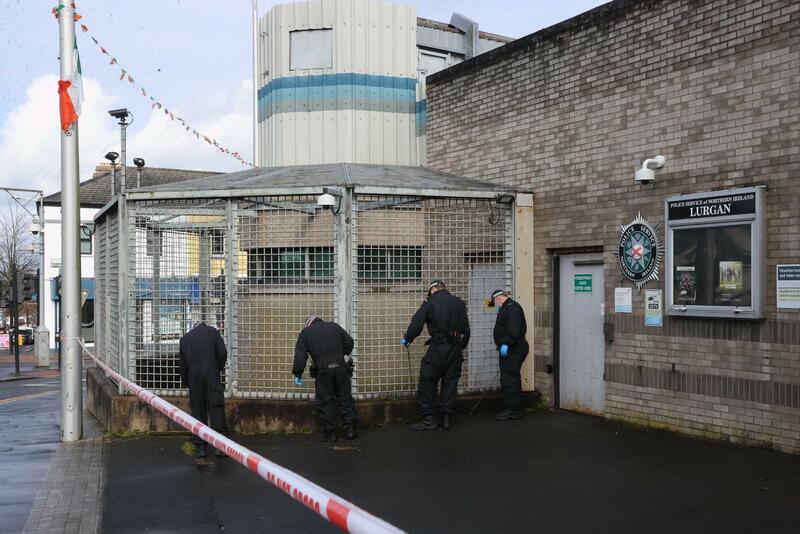
The security landscape in Northern Ireland remains a point of intense focus in 2026, underscored by the ongoing investigation into a harrowing attempted car bomb attack on the Lurgan police station. Authorities have confirmed a significant breakthrough in the case, announcing the arrest of three individuals, including a 15-year-old boy, as part of a wider crackdown on dissident republican activity in County Armagh.
This incident, which occurred on March 30, serves as a stark reminder of the persistent threat posed by paramilitary groups operating in the region. By examining the details of the hijacking and the subsequent police response, we can better understand the complexities of counter-terrorism efforts in Northern Ireland today.
The Anatomy of the Lurgan Attack: A Coordinated Threat
The attack was not a spontaneous act of violence but a calculated attempt to cause mass casualties and instill fear within the local community. The operation began when a fast-food delivery driver was lured to the Kilwilkie estate in Lurgan under the guise of a routine order.
Upon arrival, the driver was intercepted by two masked assailants, at least one of whom was armed with a firearm. This terrifying hijacking forced the victim to become an unwitting courier for a “crude but viable” explosive device, which had been placed in the boot of his vehicle.
The Courage of the Delivery Driver
The driver was ordered to transport the vehicle directly to the Lurgan police station. Despite being under extreme duress and facing a lethal threat, the driver demonstrated remarkable composure. Upon arriving at the station, he managed to alert officers to the presence of the bomb.
This critical warning allowed the Police Service of Northern Ireland (PSNI) to initiate an immediate security cordon. A controlled explosion was subsequently carried out to neutralize the device, preventing a potentially catastrophic outcome. The bravery of the driver has been widely lauded, as his quick thinking undoubtedly saved lives.
The Investigation: Arrests and Ongoing Searches
In the months following the incident, detectives from the PSNI’s Terrorism Investigation Unit have worked tirelessly to map out the network responsible for the attack. The recent arrests represent a pivotal moment in the probe, moving beyond the immediate scene of the crime to target those suspected of facilitating the operation.
Who Was Arrested?
The PSNI confirmed that three individuals were taken into custody within the Lurgan area:
- A 15-year-old boy: Detained under the Terrorism Act, his involvement has shocked the local community and raised concerns about the radicalization of minors by dissident groups.
- A 48-year-old man: Also arrested under the Terrorism Act, he is currently being questioned at the Musgrave Serious Crime Suite.
- A 39-year-old woman: Arrested on suspicion of perverting the course of justice, obstructing police, and assisting an offender.
These arrests reflect the multi-faceted nature of the investigation, which aims to dismantle the support structures—logistical, tactical, and obstructive—that allow these groups to function.
The Role of Dissident Republican Groups
The PSNI has stated that it is “highly likely” that dissident republican groups are responsible for the attack. Specifically, the New IRA has been linked to the orchestration of this proxy bomb attempt.
Why Target Police Stations?
Historically, police stations in Northern Ireland have served as symbolic and tactical targets for paramilitary organizations. By attempting to use a civilian as a “proxy bomber,” these groups aim to:
Destabilize public confidence: Disrupting daily life and creating a climate of fear.
Force a security response: Creating a “hardened” environment that complicates community-police relations.
- Signal influence: Demonstrating that despite significant law enforcement pressure, they retain the capability to manufacture and deploy viable explosive devices.
The PSNI has characterized the attack as “cowardly” and “widely condemned,” emphasizing that such acts put innocent lives at risk for no strategic gain.
Impact on the Lurgan Community
For the residents of Lurgan, the incident and the subsequent high-profile police presence have been deeply unsettling. Security alerts, controlled explosions, and the evacuation of homes are events that many hoped were consigned to the history books.
The fact that a minor was involved in such a heinous operation has prompted calls from community leaders and politicians for increased focus on youth intervention programs. There is a growing concern that militant factions are actively recruiting vulnerable teenagers to carry out “low-risk” tasks for the organization, effectively grooming them for a life of crime and terrorism.
Moving Forward: The Path to Justice
As of 2026, the investigation remains active. The PSNI continues to conduct searches in the Lurgan area, gathering forensic evidence and intelligence to build a robust case for the prosecution.
The Importance of Community Intelligence
The PSNI has issued a direct appeal to the public. They emphasize that the success of these investigations relies heavily on the cooperation of the community. Anyone with information—no matter how insignificant it may seem—is encouraged to come forward.
“I’m keen to offer assurance that we will continue in our efforts to bring those responsible to justice,” a police spokesperson remarked during a recent press briefing. This commitment to the rule of law is essential in maintaining the fragile peace that has defined Northern Ireland for over two decades.
Analyzing the 2026 Security Climate
The Lurgan incident acts as a “timely reminder” of the lingering threat posed by paramilitary remnants. While the vast majority of the population rejects violence, the existence of these “crude but viable” devices shows that the capacity for harm remains.
Modern policing in Northern Ireland must balance the need for high-visibility security operations with the goal of building trust within communities. The use of the Terrorism Investigation Unit demonstrates that the state treats these threats with the utmost gravity, ensuring that those who seek to return the region to conflict are held accountable.
Conclusion
The attempted car bomb attack on the Lurgan police station was a calculated attempt to shatter the peace. However, the resilience of the delivery driver, the swift actions of the PSNI, and the subsequent arrests of the suspects signify a collective refusal to return to the past.
As the legal proceedings against the three arrested individuals progress, the focus must remain on the long-term goal of total eradication of paramilitary influence. By addressing the root causes of radicalization and maintaining a firm stance against terrorism, Northern Ireland continues to move toward a safer, more stable future.