Belfast Parents Warned: The Dangerous Rise of ‘Unmarked Counterfeit’ TikTok Toys in 2026

As we navigate the bustling retail landscape of 2026, the influence of social media on consumer trends has never been more potent. In Belfast, a new wave of concern is sweeping through the parenting community. Local experts and authorities are issuing an urgent plea for vigilance as “unmarked counterfeits” of viral TikTok toys—specifically the beloved NeeDoh sensory products and the trendy Labubu dolls—flood local shelves.
While these toys promise stress relief and sensory satisfaction, the unregulated imitations appearing in non-traditional outlets pose significant health and safety risks to children. From chemical irritants to choking hazards, the “bargain” price of a counterfeit toy could come at a devastating cost.
The Viral Phenomenon: Why TikTok Toys Dominate 2026
The toy market in 2026 is driven almost entirely by algorithmic momentum. What starts as a 15-second clip on TikTok can lead to a global sell-out within hours. NeeDoh, a sensory “grooviness” toy that first hit the market in 2018, has seen a massive resurgence thanks to its satisfying tactile nature, often featured in “ASMR” and “restock” videos.
Similarly, the Labubu “monster elf” figures by Pop Mart have become a global collector’s craze, fueled by celebrity endorsements and viral unboxing trends. However, this high demand creates a vacuum that unscrupulous manufacturers are eager to fill with low-quality, dangerous replicas.
The Belfast Warning: Insights from Tigeroo Toys
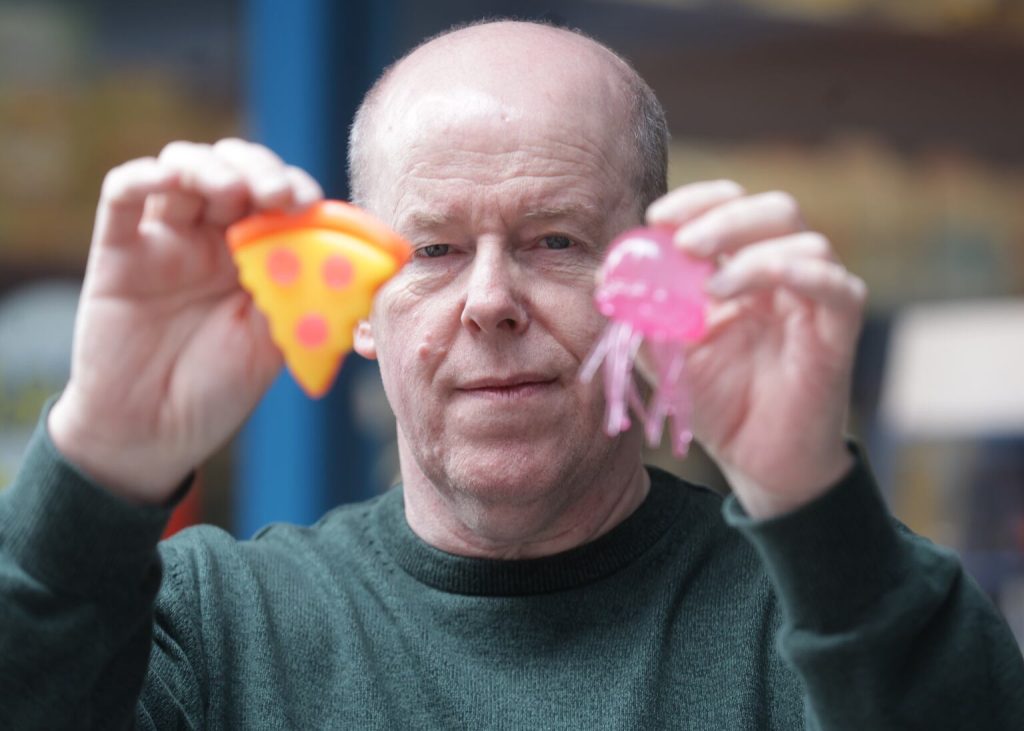
Raymond Kirkpatrick, owner of the renowned Tigeroo Toys in Belfast, has been at the forefront of identifying these illicit goods. Speaking on the current crisis, Kirkpatrick noted that official stock often sells out “within an hour or two,” leading desperate parents to look elsewhere.
“It’s being sold in outlets which wouldn’t normally sell these products,” Kirkpatrick warned. He highlighted that while the packaging may look nearly identical at a glance, the contents are far from the high-quality, safety-tested materials found in authentic products.
The Problem with “Non-Traditional” Retailers
In 2026, counterfeits aren’t just found in dark corners of the internet; they are appearing in discount stores, market stalls, and even some local convenience shops across Belfast. These retailers may not have the rigorous supply chain checks that dedicated toy stores or high-street names employ, allowing “unmarked counterfeits” to slip through the cracks.
How to Spot a Fake: The “Peelabie” and Other Red Flags
Detecting a counterfeit requires a keen eye. One of the most common signs of a fake product is poor attention to detail on the packaging. Kirkpatrick pointed out that many counterfeit boxes feature glaring typographical errors that an official brand like Schylling (the makers of NeeDoh) would never allow.
Key Indicators of a Counterfeit Toy:
Spelling Mistakes: Look for errors like “Peelabie” instead of the correct branding.
Missing Safety Markings: Authentic toys sold in the UK and NI must carry the UKCA or CE marks. Counterfeits often omit these or use fake versions.
Lack of Manufacturer Info: Official toys will always list the manufacturer’s address and contact details.
Price Discrepancy: If the price is “too good to be true,” especially during a period of high demand, it is likely a fake.
The “Smell” Test: Counterfeit squishy toys often have a strong, chemical, or “petrol-like” odor due to the use of cheap industrial plastics and solvents.
Hidden Dangers: What’s Really Inside That Squishy Toy?
The primary concern for Belfast parents isn’t just the loss of money—it’s the physical safety of their children. Authentic NeeDoh toys are made with a non-toxic, dough-like compound that is rigorously tested for durability and safety. In contrast, counterfeits are a black box of unknown substances.
Potential Health Risks:
- Chemical Irritation: The “gel” inside fake toys can contain high levels of phthalates, which are restricted in the UK due to their link to hormonal disruptions. If the toy leaks, these chemicals can cause skin rashes or burns.
- Ingestion Hazards: If a child bites into a counterfeit toy and the unknown liquid or gel escapes, the risk of poisoning is high.
- Choking Hazards: Counterfeits often lack the structural integrity of the original. Small parts or the outer skin can easily tear, creating small pieces that pose a significant choking risk for toddlers.
- Internal Damage: Kirkpatrick shared a story of a parent whose counterfeit toy burst. “Who knows what’s inside?” he questioned. “It could cause damage to your skin… or if they happen to put it in their mouth, the dangers of that are severe.”
The Digital Threat: TikTok Scams and “Shop Now” Traps
The danger isn’t limited to physical shops in Belfast. In 2026, cybercriminals are increasingly using TikTok’s “Shop Now” banners and links in comments to lure parents into “scam websites.” These sites often mimic legitimate retailers but are designed to steal credit card information or send dangerous, unregulated products.
The Rise of “Social Media Fraud”
Reports from 2025 and 2026 indicate that children are inadvertently sharing scam links disguised as toy promotions with their parents. These links often promise “limited edition” Labubu dolls or “bulk buy” NeeDoh packs. Trading Standards has warned that purchasing from platforms like Temu, Alibaba, or eBay third-party sellers is a high-risk gamble.
Trading Standards: Raids and Enforcement in Northern Ireland
The Northern Ireland Trading Standards Service (TSS) has been active in 2026, conducting raids across Tyrone, Antrim, and Belfast. Recently, over £22,000 worth of counterfeit toys were seized from high-street stalls and shops.
The Department for the Economy, which oversees TSS, has reiterated that counterfeit toys are “unsafe, poorly made, and putting consumers at risk.” These enforcement actions aim to disrupt the supply chains that bring dangerous goods from China, Hong Kong, and Turkey into the local Belfast market.
The Authenticity Checklist for 2026
To protect your family, follow this comprehensive checklist before purchasing any viral toy:
1. Check for Embossed Branding
Official NeeDoh products feature embossed branding directly on the toy’s surface. Most counterfeits are smooth or have poorly printed logos that rub off easily.
2. Verify the Retailer
Stick to “brick-and-mortar” retailers with a reputation to uphold. Shops like Tigeroo Toys or national high-street chains are your safest bet. If you are buying online, ensure the seller is the official brand store and not a third-party reseller.
3. Examine the Packaging Quality
Counterfeiters often use thinner cardboard and lower-resolution printing. If the images on the box look blurry or the colors seem “off,” put it back on the shelf.
4. Look for the “Fake Toys, Real Harms” Logo
In 2026, many legitimate manufacturers have joined the “Fake Toys, Real Harms” campaign, adding QR codes to packaging that allow parents to verify the product’s authenticity instantly via a secure database.
The Broader Impact: Why Counterfeits Hurt Everyone
Beyond the immediate safety risks, the sale of counterfeit toys in Belfast has a ripple effect on the local economy and global safety standards:
Funding Crime: The profits from counterfeit goods often funnel into organized crime syndicates.
Stifling Innovation: When brands like Schylling or Pop Mart lose revenue to fakes, it reduces their ability to invest in new, safe products.
Environmental Damage: Counterfeit toys are rarely made with sustainable materials and are often non-recyclable, ending up in landfills much faster than their durable, authentic counterparts.
Conclusion: Prioritizing Child Safety Over Trends
As the TikTok toy trends of 2026 continue to evolve—whether it’s the resurgence of fidget spinners or the latest collectible plush—the message for Belfast parents remains the same: Vigilance is your best defense.
A toy that brings a smile today shouldn’t cause a trip to the emergency room tomorrow. By choosing to buy from trusted, authorized retail partners and inspecting every purchase for safety markings and quality, you are ensuring that the “sensory experience” remains a positive one.
As Raymond Kirkpatrick aptly put it, “NeeDoh will be product safety tested for kids. This [the counterfeit] can squeeze, but who knows what’s inside?” Don’t let your child be the “tester” for an unregulated product.
Stay safe, shop local, and always look for the embossed brand.