Hantavirus Explained: What You Need to Know About the 2026 Cruise Ship Outbreak

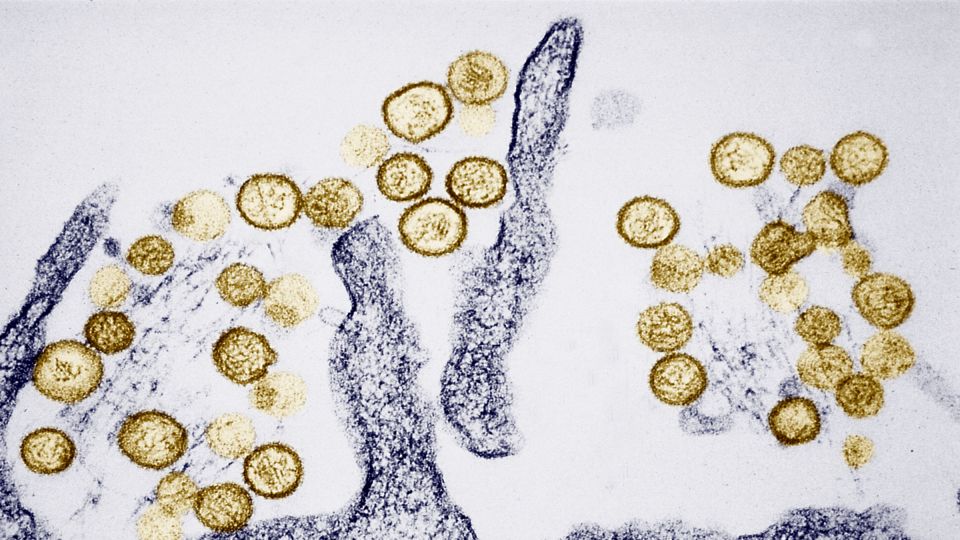
The recent emergence of a hantavirus cluster aboard the MV Hondius cruise ship has brought a rare but lethal viral family back into the global spotlight. As of 2026, health authorities are working around the clock to manage the transmission risks associated with this incident. While hantavirus is traditionally associated with rodent-to-human transmission, the unusual nature of this maritime outbreak—involving potential human-to-human transmission of the Andes strain—has prompted significant public concern.
Understanding what hantavirus is, how it spreads, and how to recognize its symptoms is essential for public health awareness. Whether you are a frequent traveler or simply curious about emerging infectious diseases, this guide provides the most up-to-date information on the risks, symptoms, and medical realities of hantavirus in 2026.
What is Hantavirus? A Primer on the Pathogen
Hantaviruses are a family of viruses that primarily infect rodents. Unlike many other viruses that spread through insect bites, hantaviruses are typically transmitted to humans through contact with the urine, feces, or saliva of infected rodents—most commonly deer mice, cotton rats, and rice rats.
When humans inhale microscopic particles contaminated by these rodent excreta, the virus can enter the body. In the United States and other parts of the world, this often leads to Hantavirus Pulmonary Syndrome (HPS), a severe respiratory condition that can be fatal. In other regions, particularly Asia and Europe, hantaviruses are more commonly associated with Hemorrhagic Fever with Renal Syndrome (HFRS), which impacts kidney function.
The 2026 MV Hondius Outbreak: Why It’s Different
The situation involving the MV Hondius is particularly unique because it has raised the specter of human-to-human transmission. Historically, the medical community has maintained that hantavirus is not easily spread between people. However, the Andes strain—a specific variant found in South America—has shown the rare capability to jump from human to human.
The Current Situation
Confirmed Cases: Several passengers and crew members have tested positive for the virus.
Suspected Clusters: Surveillance is ongoing, with additional individuals being monitored for symptoms.
Emergency Response: International health bodies, including the World Health Organization (WHO), have coordinated evacuations to ensure patients receive specialized care in facilities equipped to handle respiratory distress.
This incident serves as a stark reminder that while hantavirus is generally a zoonotic disease (animal-to-human), specific strains require heightened vigilance in enclosed environments like cruise ships.
How Hantavirus Spreads: Beyond the Rodent
While the primary vector remains rodent exposure, it is vital to understand the mechanics of infection to prevent accidental exposure.
1. Inhalation of Airborne Particles
The most common route of infection is breathing in dust that has been contaminated by rodent urine or droppings. This often occurs when people clean out garages, sheds, or cabins that have been closed for the winter, stirring up dried, virus-laden dust.
2. Direct Contact
Touching your eyes, nose, or mouth after handling contaminated materials or a rodent can lead to infection. Even if you do not see a mouse, the presence of droppings is a clear indicator that the environment is unsafe.
3. Human-to-Human Transmission (The Andes Exception)
As seen in the MV Hondius case, the Andes strain is the primary culprit behind human-to-human spread. This makes it a high-priority concern for epidemiologists, as it changes the standard protocols for quarantine and isolation during an outbreak.
Recognizing the Symptoms: What to Watch For
Hantavirus symptoms can be deceptive. In the early stages, they often mimic common illnesses like the flu or COVID-19, which can lead to delayed diagnosis.
Early-Stage Symptoms (1 to 5 weeks after exposure)
High fever and muscle aches: Particularly in the thighs, hips, and back.
Fatigue: An overwhelming sense of exhaustion that is disproportionate to activity levels.
Headaches and dizziness: Often accompanied by nausea or abdominal pain.
Late-Stage Symptoms (Pulmonary Distress)
As the disease progresses to HPS, the lungs begin to fill with fluid. This is the most dangerous phase and requires immediate medical intervention.
Coughing: Usually a dry cough that rapidly worsens.
Shortness of breath: The sensation of a “tight band” around the chest.
Hypoxia: Low blood oxygen levels, which can lead to cyanosis (bluish tint to the skin/lips).
If you have been in an area with known rodent activity or have been in contact with someone diagnosed with hantavirus, seek emergency medical care immediately if you experience respiratory difficulty.
Is There a Cure? Treatment and Prognosis
Currently, there is no specific vaccine or cure for hantavirus. Treatment is almost entirely supportive, focusing on managing the body’s response to the infection while the immune system fights it off.
Hospitalization: Most patients require intensive care.
Oxygen Therapy: Supplemental oxygen is used to combat the fluid buildup in the lungs.
Mechanical Ventilation: In severe cases, a ventilator is required to assist with breathing.
Extracorporeal Membrane Oxygenation (ECMO): For the most critical cases, ECMO machines can take over the work of the lungs, providing life-saving time for the patient to recover.
Early detection is the single most important factor in survival. Because the virus causes rapid deterioration, patients who are diagnosed early and placed in a high-quality medical facility have significantly better outcomes.
How to Protect Yourself: Prevention Strategies
Whether at home or traveling, minimizing your risk of exposure is the best defense against hantavirus.
- Rodent-Proofing: Seal holes and gaps in your home or cabin to prevent rodent entry.
- Sanitization: If you find rodent droppings, do not sweep or vacuum them. This kicks the virus into the air. Instead, spray the area with a disinfectant (like a bleach-water solution), let it sit, and wipe it up with paper towels while wearing gloves and a mask.
- Travel Precautions: When staying in cabins or remote locations, inspect the area for signs of rodent activity. If you see droppings, request a different room or ensure the area is professionally cleaned before you move in.
- Avoidance: Never touch dead rodents with your bare hands. Use tools or double-bagged plastic bags to dispose of them.
The Future of Hantavirus Research
The 2026 cruise ship outbreak has reignited discussions about the need for better diagnostic tools. Researchers are currently looking into rapid point-of-care testing that could identify the specific strain of hantavirus in minutes rather than days. Furthermore, the potential for human-to-human transmission has prompted a revision of international maritime health guidelines to better protect passengers and crew during future viral events.
Conclusion
While the sight of a cruise ship under quarantine is unsettling, it is important to maintain perspective. Hantavirus is not as contagious as the flu or common respiratory viruses. The MV Hondius* incident is an outlier, exacerbated by the specific, rare Andes strain and the confined nature of ship life.
However, the lethality of the virus is not to be underestimated. By staying informed about the risks, practicing good hygiene in areas where rodents live, and seeking prompt medical attention for flu-like symptoms after potential exposure, you can drastically reduce your risk. Knowledge remains our strongest weapon against emerging pathogens in 2026 and beyond.