Blake Lively and Justin Baldoni Settle Harassment Lawsuit: A Timeline of the Hollywood Legal Saga

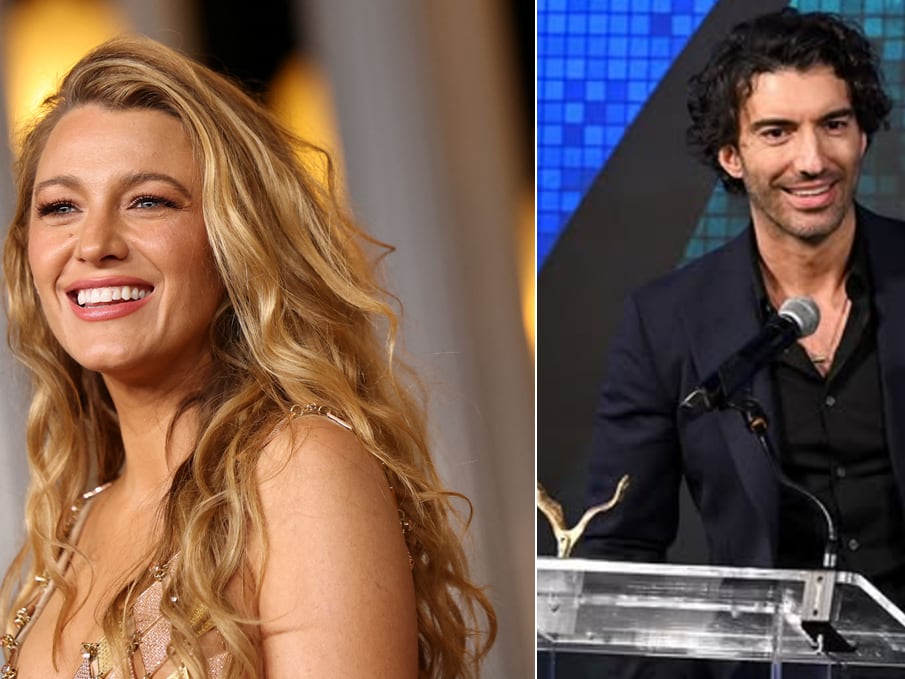
The curtains have finally closed on one of the most high-profile legal battles in recent Hollywood history. As of May 2026, actress Blake Lively and director-actor Justin Baldoni have officially reached a mutual settlement, putting an end to the protracted litigation stemming from the production of the 2024 hit film It Ends With Us.
The resolution comes just two weeks before the case was scheduled to head to trial, signaling a desire by both parties to avoid the public scrutiny of a courtroom showdown. After nearly 17 months of legal maneuvering, accusations of harassment, and high-stakes countersuits, the industry can finally move past the controversy that dominated headlines since late 2024.
The Origins of the Dispute
The friction between the two stars began during the production of It Ends With Us, a film adaptation of the Colleen Hoover bestseller. While the movie achieved significant commercial success, the behind-the-scenes reality was reportedly fraught with tension.
In December 2024, Blake Lively filed a formal lawsuit against Justin Baldoni, alleging that he had engaged in unwanted physical contact and made inappropriate sexual remarks during filming. Furthermore, Lively’s legal team claimed that when she attempted to address these behaviors, Baldoni and his production team retaliated by spreading damaging information about her to the press and across social media platforms.
Legal Escalation and Countersuits
The legal battle quickly spiraled into a complex web of claims and defenses. Baldoni, vehemently denying the allegations, filed a massive $400 million defamation countersuit against Lively, her husband Ryan Reynolds, and the New York Times for their initial reporting on the situation.
Throughout 2025, the case became a spectacle. Evidence submitted to the court included private text messages between Lively and her close friend, pop superstar Taylor Swift, which brought further media intensity to the proceedings. Despite the initial firestorm, a federal judge gradually narrowed the scope of the litigation. By mid-2025, most of the defamation and sexual harassment claims were dismissed, leaving only the core issues of breach of contract and retaliation to be settled at trial.
Why a Settlement Was Reached
As the May 2026 trial date approached, the legal pressure mounted. Legal experts suggest that both Lively and Baldoni had much to lose by allowing the case to reach a jury.
1. Avoiding Reputational Damage
Public trials, especially those involving sensitive allegations of harassment and retaliation, are notoriously unpredictable. By settling out of court, both parties regain control over the narrative and avoid the risk of damaging testimony becoming part of the public record.
2. The Cost of Litigation
Even for A-list celebrities, the financial and emotional toll of a lengthy court battle is significant. The legal fees, coupled with the constant media scrutiny, likely served as a catalyst for both teams to return to the negotiating table.
3. Confidentiality Concerns
While the specific terms of the agreement—including the settlement amount—remain undisclosed, settlement agreements almost always include confidentiality clauses. These clauses protect both parties from further public discourse regarding the specific details of the dispute, allowing them to move forward professionally.
The Joint Statement: A Strategic Pivot
The joint statement released by the legal teams on the 4th of May acknowledged the “difficulties encountered during the film production process.” By recognizing that the concerns raised by Lively were “worthy of attention,” the statement provides a face-saving resolution for all involved.
This language suggests a middle-ground approach. It validates that there were indeed issues on set that required intervention, while simultaneously allowing Baldoni to conclude the matter without a formal admission of guilt regarding the most serious harassment allegations.
Impact on the Industry
The Lively v. Baldoni case will likely be studied for years to come as a case study in workplace conduct and production accountability. It highlights the increasing power of actors to hold directors and producers accountable for on-set behavior, while also demonstrating the risks of public legal warfare in the digital age.
The film It Ends With Us will remain a success, but the saga surrounding its creation serves as a reminder that the themes of domestic violence addressed in the movie were, ironically, mirrored by the off-screen tension between its leads.
Looking Ahead
With the lawsuit now behind them, both Blake Lively and Justin Baldoni are expected to resume their respective careers. For Lively, the focus remains on her upcoming projects and personal brand, while Baldoni continues his work as an actor and director.
Industry observers note that the conclusion of this case is a relief for the studios involved. The legal uncertainty had created a shadow over the franchise, and the finality of a settlement allows for a clean slate. As the dust settles, Hollywood will undoubtedly continue to grapple with the delicate balance between creative autonomy and the necessity of a safe, respectful, and professional working environment.
Key Takeaways from the Settlement
Mutual Resolution: The case was settled out of court, preventing a high-stakes trial that was set for later in May 2026.
Case Narrowing: The settlement follows a series of court rulings that dismissed the majority of the initial claims, leaving only retaliation and contract disputes.
Confidentiality: As is standard in high-profile Hollywood settlements, the financial terms remain private to protect the reputations of the parties involved.
Cultural Significance: This case serves as a landmark moment regarding how on-set harassment claims are handled in the modern era of filmmaking.
The resolution of this dispute marks the end of an era of litigation that defined the 2024-2026 period in Hollywood. While the full truth of what transpired on the set of It Ends With Us may remain behind closed doors, the legal system has fulfilled its function in bringing both parties to a final, binding agreement.