US Military Strike in the Caribbean: 2 Dead as Trump’s War on ‘Narcoterrorism’ Intensifies in 2026

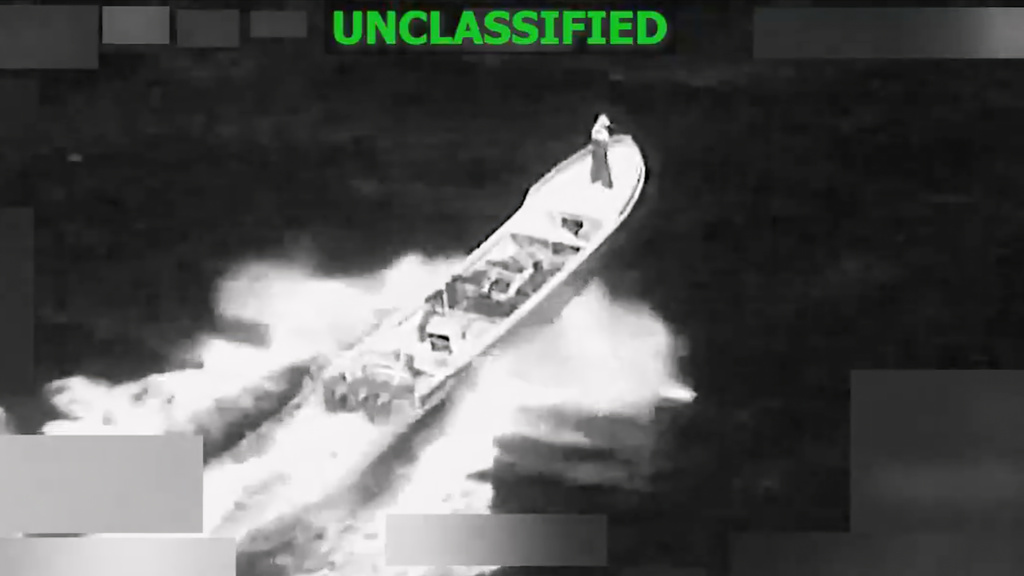
The azure waters of the Caribbean Sea, traditionally known for tourism and international trade, have increasingly become a theater of high-stakes kinetic warfare. On Monday, the U.S. military launched another lethal strike on a vessel suspected of ferrying narcotics, resulting in the deaths of two individuals. This latest engagement marks a significant escalation in the Trump administration’s aggressive maritime campaign, which has fundamentally redefined U.S. interventionism in the Western Hemisphere.
As we move through 2026, the strategy of “kinetic interdiction”—the practice of destroying suspected smuggling vessels rather than boarding and searching them—has become the new standard for the U.S. Southern Command (SOUTHCOM). This shift from law enforcement to active combat has sparked intense debate among international legal scholars and regional neighbors.
The Details of the Monday Strike
According to official statements from Washington, the strike occurred along a known smuggling corridor in the Caribbean. A video released by the military on the social media platform X (formerly Twitter) depicts a high-speed boat moving through the water before being engulfed in a massive explosion.
The military confirmed that two people on board were killed instantly. This operation follows a similar pattern seen throughout the year, where aerial assets, including drones and high-tech surveillance aircraft, identify targets that display “suspicious behavior” or fail to comply with orders in international waters.
Despite the ongoing conflict with Iran occupying much of the global headlines, the U.S. has not diverted its gaze from its “third front” in Latin America. The frequency of these strikes has actually ramped up in recent weeks, signaling a determined effort to dismantle the logistics of transnational criminal organizations.
A Rising Death Toll in the “Narcoterrorism” War
The human cost of this campaign is mounting rapidly. Since the administration began its intensified “blowing up” policy in early September, the death toll has climbed to at least 188 individuals. These strikes are not limited to the Caribbean; several high-profile engagements have also taken place in the eastern Pacific Ocean.
Defense Secretary Pete Hegseth has been a vocal proponent of these measures, recently confirming that another strike on Sunday killed three men in a similar operation. The administration argues that these individuals are not mere smugglers but “narcoterrorists” who pose an existential threat to American national security.
The Shift to “Armed Conflict” Status
President Donald Trump has explicitly stated that the United States is in a state of “armed conflict” with Latin American cartels. By classifying these organizations as military targets rather than criminal defendants, the administration justifies the use of lethal force without the traditional requirements of due process or evidence collection.
Justification: The administration cites the thousands of American lives lost annually to fatal drug overdoses.
Tactics: The use of Hellfire missiles and precision-guided munitions against small maritime craft.
Objective: To create a “total blockade” of illicit substances entering the United States.
The Evidence Gap: A Growing Controversy
One of the most contentious aspects of the 2026 maritime campaign is the lack of physical evidence produced following these strikes. Because the vessels are destroyed at sea, often in deep water, the U.S. military has not provided evidence that the boats were actually carrying drugs.
Critics argue that by sinking the vessels, the U.S. effectively destroys all proof of guilt or innocence. This “shoot first, ask questions never” approach has drawn fire from human rights organizations and international maritime bodies.
Key Concerns Raised by Legal Experts:
- Violation of Sovereignty: Strikes often occur in or near the territorial waters of sovereign nations.
- Lack of Due Process: The accused are killed before they can face a trial or provide a defense.
- Collateral Damage: Concerns that legitimate fishing vessels or migrant boats could be mistaken for smuggling craft.
Geopolitical Context: From Maduro’s Arrest to the Iran War
To understand the intensity of the current Caribbean operations, one must look back at the events of early 2026. The January raid that resulted in the capture of former Venezuelan President Nicolás Maduro was a turning point. Maduro was brought to New York to face drug trafficking charges, a move that signaled the U.S. was no longer interested in diplomatic solutions regarding “narcostates.”
The capture of Maduro emboldened the administration to expand its military footprint in the region to its largest level in generations. Even as U.S. forces are engaged in the Middle East, the “Maximum Pressure” campaign in the Western Hemisphere remains a top priority. The administration views the flow of drugs as a form of unconventional warfare being waged against the American populace.
The Impact on Regional Stability
The aggressive posture of SOUTHCOM has created a ripple effect throughout Latin America and the Caribbean. While some governments quietly support the reduction in cartel power, others are wary of the militarization of the Caribbean Sea.
Economic and Humanitarian Implications
Maritime Trade: Commercial shipping companies have expressed concerns about the increased military presence and the potential for accidental engagements.
Fishing Industry: Local fishermen in the Caribbean have reported increased harassment and fear of being targeted by mistake.
Migration Patterns: The strikes have added another layer of danger for those attempting to traverse these waters for migration purposes.
Analysis: The Future of U.S. Maritime Interdiction
The 2026 strategy represents a “scorched earth” approach to drug interdiction. By removing the need for boarding parties—which often puts U.S. Coast Guard and Navy personnel at risk—the military has streamlined the process of neutralizing suspected threats. However, this efficiency comes at the cost of international legal norms.
As the death toll nears 200, the international community is watching closely. Will other nations adopt similar “kinetic” policies, or will the U.S. face diplomatic blowback for its unilateral actions? For now, the Trump administration shows no signs of slowing down, viewing every destroyed boat as a victory in the fight to protect American borders.
What to Expect in the Coming Months
As we move into the latter half of 2026, we can expect:
Increased Drone Surveillance: More “eyes in the sky” to identify targets further from the U.S. coast.
Technological Escalation: The deployment of autonomous maritime interceptors.
- Legal Challenges: Potential cases brought before the International Court of Justice by families of those killed in the strikes.
Conclusion: A New Era of Caribbean Conflict
The killing of two people on a suspected drug boat this Monday is not an isolated incident; it is a symptom of a fundamental shift in U.S. foreign policy. The Caribbean is no longer just a transit zone; it is a battlefield. While the administration maintains that these strikes are necessary to stop the “poisoning of America,” the lack of transparency and the high death toll continue to fuel a global debate over the ethics of modern warfare.
In the “armed conflict” against cartels, the rules of engagement have changed. For the smugglers—and potentially for those caught in the crossfire—the Caribbean has become one of the most dangerous stretches of water on the planet.