Trapped at Sea: The Human Toll of the MV Hondius Hantavirus Outbreak

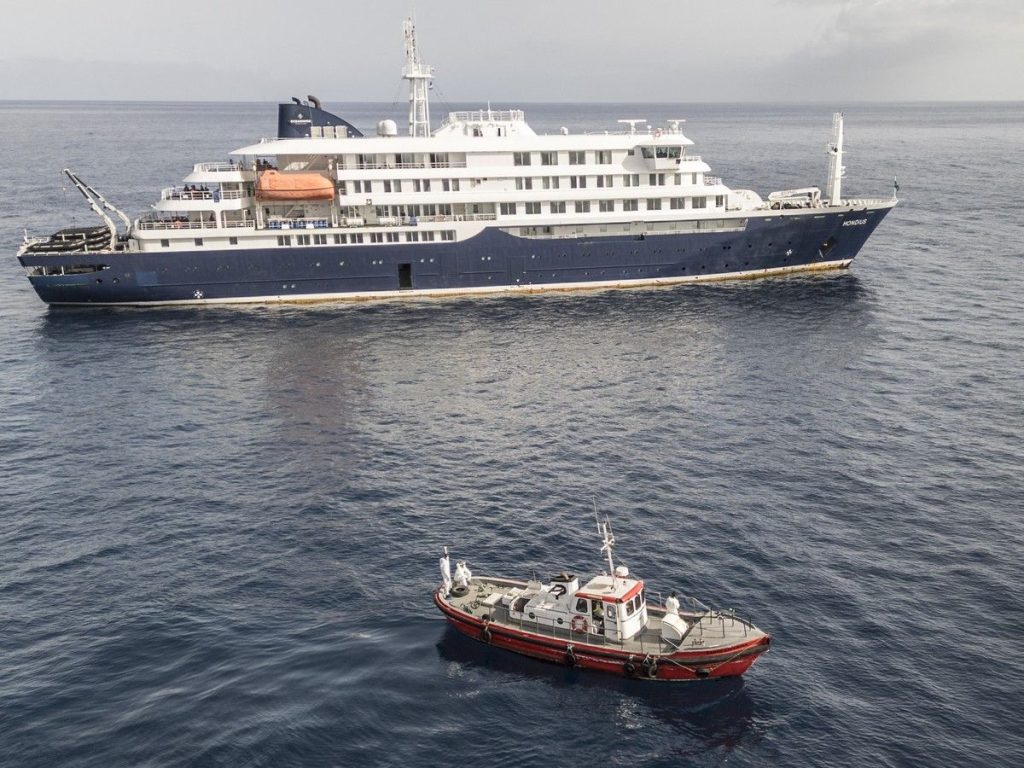
The dream of a luxury expedition across the Atlantic has transformed into a nightmare for 147 individuals aboard the MV Hondius. As of May 2026, the vessel remains anchored off the coast of Cape Verde, West Africa, serving as the epicenter of a rare and lethal hantavirus outbreak. What began as a journey through remote, ecologically diverse regions has devolved into a tense, high-stakes quarantine that has captured global attention.
Among the passengers is Jake Rosemarin, a Boston resident whose recent social media plea has resonated with millions. His tearful message serves as a stark reminder that behind the dry statistics of global health reports are human lives, families, and a desperate yearning for safety.
The Reality of Life Under Quarantine
For the 88 passengers and 59 crew members currently confined to the MV Hondius, the situation is defined by profound uncertainty. The ship, which departed Argentina on April 1, visited several remote islands, including South Georgia and Tristan da Cunha. It is believed that potential exposure to rodent-borne pathogens during these excursions may have triggered the current health crisis.
A Plea for Humanity
In his moving video update, Jake Rosemarin articulated the psychological strain of the situation. “We’re not just a story. We’re not just headlines. We’re people,” Rosemarin stated, his voice trembling. This sentiment highlights the disconnect between the clinical reporting of a respiratory illness outbreak and the lived experience of those trapped in isolation.
The uncertainty regarding when they will be permitted to dock or return home has exacerbated the distress onboard. For many, the ship has transitioned from a vessel of exploration to a floating prison, where every cough or fever spike among fellow passengers triggers renewed anxiety.
Understanding the Hantavirus Threat
Hantavirus is a severe, often deadly, viral disease primarily transmitted to humans through contact with the urine, feces, or saliva of infected rodents. While the World Health Organization (WHO) maintains that the global risk of hantavirus remains low, the specific cluster on the MV Hondius has proven to be devastating.
The Medical Toll
As of early May 2026, the situation on board has been categorized as critical:
Confirmed Cases: Two laboratory-confirmed cases of hantavirus.
Suspected Cases: Five individuals currently under medical monitoring.
Fatalities: Tragically, three lives have been lost, including a Dutch couple and a German national.
Critical Care: Several crew members and passengers remain in serious condition, requiring urgent medical evacuation.
The fatality rate for hemorrhagic fever with renal syndrome (HFRS)—the specific acute disease associated with this type of hantavirus—is estimated to range between 1% and 15%. This wide margin, combined with the lack of specialized medical facilities on a cruise vessel, necessitates the rapid intervention of international health authorities.
International Response and Evacuation Logistics
The international community has mobilized to address the crisis. The WHO identified the Canary Islands as the closest location capable of providing the necessary specialized respiratory and renal care for the affected individuals.
Coordination Efforts
Medical Evacuation: Plans are underway to evacuate the most severely ill crew members via Cape Verde to the Netherlands.
Diplomatic Channels: Global Affairs Canada and other international consulates are in constant contact with local authorities to monitor the well-being of their citizens.
- Future Port Access: Spain’s health ministry has confirmed that once the vessel arrives in the Canary Islands—expected within three to four days—all passengers and crew will undergo rigorous health screenings before being transferred to their home countries.
The decision to allow the ship to proceed to Spain demonstrates a delicate balance between public safety and the humanitarian duty to provide care for those onboard. The ship’s operator is working closely with local health officials to ensure that the transition is seamless and that further transmission is prevented.
Examining the Source: How Did This Happen?
The origin of the outbreak remains a subject of intense investigation. The MV Hondius traveled through some of the most remote, ecologically diverse regions on the planet. While the WHO has noted that the extent of contact with local wildlife remains “undetermined,” the nature of the virus strongly suggests a zoonotic spillover.
Lessons for Future Expedition Cruises
The incident serves as a wake-up call for the expedition cruise industry. Operating in remote areas requires heightened biosecurity protocols and strict adherence to wildlife interaction guidelines. When a ship enters a region known for rodent populations, the risk of pathogen introduction is non-zero.
Experts suggest that the following measures may become standard for future voyages:
- Enhanced Pest Control: More rigorous inspections of luggage and cargo for potential rodent stowaways.
- Wildlife Proximity Protocols: Stricter enforcement of “no-touch” policies in ecologically sensitive regions.
- Real-time Health Monitoring: Utilizing advanced AI-driven symptom tracking for passengers and crew to identify outbreaks before they reach a critical mass.
Conclusion: Beyond the Headlines
The story of the MV Hondius is about more than just a rare virus; it is a story about the fragility of global travel in an interconnected world. The tearful message from Jake Rosemarin serves as a poignant reminder that even in the age of advanced medical science, nature retains the power to disrupt our lives in unexpected and profound ways.
As the vessel makes its way toward the Canary Islands, the focus remains on the safe arrival of the passengers and the recovery of those still fighting the illness. The international community watches with bated breath, hoping that the tragedy ends here and that the lessons learned from this outbreak prevent future occurrences. In the meantime, the passengers and crew continue to navigate the uncertainty, leaning on one another for the “kindness and understanding” that Rosemarin so eloquently requested.