Strait of Hormuz Incident: South Korean Vessel Fire Extinguished, No Casualties Reported

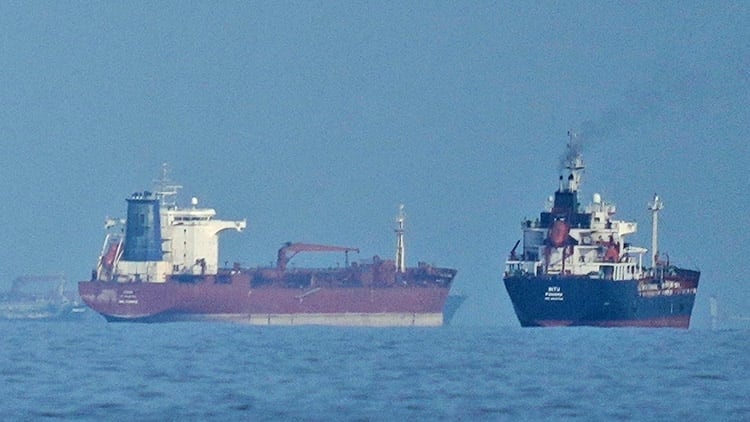
The maritime world turned its gaze toward the volatile waters of the Strait of Hormuz this week as an alarming incident involving a South Korean-operated vessel sent shockwaves through international shipping lanes. An explosion, followed by a significant fire, broke out on the HMM ‘NAMU’, a Panama-flagged cargo ship, while it was anchored near the United Arab Emirates.
As of 2026, the safety of maritime trade routes remains a top global priority. The South Korean Ministry of Foreign Affairs confirmed on the 5th that the fire has been successfully extinguished. Most importantly, all 24 crew members—including six South Korean nationals—are safe and unharmed. Despite the positive news regarding the crew, the geopolitical implications of this event are only beginning to unfold.
The Incident: What Happened to the HMM ‘NAMU’?
The distress call originated around 8:20 p.m. (Korean time) on the preceding day. Initial reports indicated that the explosion was localized to the port side of the engine room. Because the vessel was anchored in the Strait of Hormuz—one of the world’s most critical “chokepoints” for oil transit—the incident immediately triggered a high-level response from regional authorities and the South Korean government.
While the fire is now fully contained, the vessel remains stranded at sea. The damage to the engine room has rendered the ship unable to resume normal operations, leaving it vulnerable as it waits for specialized assistance.
Current Status and Recovery Plans
The South Korean government is currently coordinating with maritime authorities to arrange for a tugboat to tow the HMM ‘NAMU’ to a nearby port. Once the vessel is safely docked, a comprehensive damage assessment will be conducted to determine the feasibility of repairs.
Crew Safety: All 24 crew members are confirmed safe and accounted for.
Vessel Condition: The engine room sustained significant damage; the ship is currently being held at a safe location at sea.
Logistical Hurdles: A towing schedule has not yet been finalized, and authorities are working to ensure the ship is moved without further incident.
The Geopolitical Mystery: Cause Under Investigation
One of the most pressing questions remains: Was this a technical failure or a targeted attack? The South Korean Ministry of Foreign Affairs has stated that the exact cause of the explosion will only be identified through a rigorous inspection once the vessel is safely in port.
However, the silence on the cause has been filled with speculation. U.S. President Donald Trump recently took to Truth Social, suggesting that the incident was the result of an Iranian attack. President Trump linked the explosion to broader concerns regarding the “Liberation Project” operation, stating that Iran has fired upon ships from various nations, including South Korea. He further suggested that South Korea should consider joining the international maritime security effort to protect cargo vessels in the region.
Analyzing the “External Attack” Theory
If the investigation confirms that the explosion was indeed an external act, it would mark a significant escalation in the tensions within the Strait of Hormuz. For global shipping companies, this raises the risk profile of transit through the region.
Insurance Costs: Increased uncertainty in the Strait of Hormuz typically leads to higher maritime insurance premiums.
Diplomatic Fallout: The South Korean government is now in a delicate position, balancing its need to protect its commercial interests with the necessity of maintaining stable diplomatic ties in the Middle East.
Global Energy Markets: As a major transit point for global oil, any disruption in the Strait of Hormuz can have immediate, albeit short-term, impacts on global energy prices.
The Importance of Maritime Security in 2026
The incident involving the HMM ‘NAMU’ serves as a stark reminder of how fragile international supply chains are. In an era where “just-in-time” logistics are the standard, the immobilization of even a single cargo ship can create a ripple effect.
Protecting Strategic Trade Routes
The Strait of Hormuz handles a massive percentage of the world’s oil and natural gas. When incidents occur, the maritime community looks for leadership and proactive security measures. The South Korean government has pledged to continue communicating with relevant nations to ensure the safety of its vessels, but the debate on whether to increase naval presence in the area is intensifying.
Moving Forward: What to Expect
As the HMM ‘NAMU’ awaits towing, the maritime industry will be watching the formal investigation closely. If it is determined that the explosion was an internal mechanical failure, the narrative will shift toward maritime safety protocols. If it is confirmed to be an external attack, we may see a significant shift in how South Korea and its allies approach the security of the Persian Gulf.
For now, the priority remains the successful transport of the vessel to a port and the eventual repatriation of the crew. The incident highlights the necessity of constant vigilance for any company operating in high-risk maritime zones.
Summary of Key Developments
- Safety First: The fire is extinguished, and no casualties were reported.
- Investigation Pending: The cause—mechanical vs. external—remains the subject of intense debate.
- Diplomatic Pressure: Statements from high-level officials have added a geopolitical dimension to what began as a maritime emergency.
- Logistics: The HMM ‘NAMU’ is awaiting a tugboat to begin the recovery process.
As we continue to monitor the situation, the resilience of the crew and the efficiency of the international response remain the primary highlights of an otherwise concerning event. The maritime world awaits the final report, which will undoubtedly influence shipping policy in the Strait of Hormuz for years to come.