Legal Verdict: Palestine Action Activists Found Guilty After High-Stakes Bristol Factory Raid

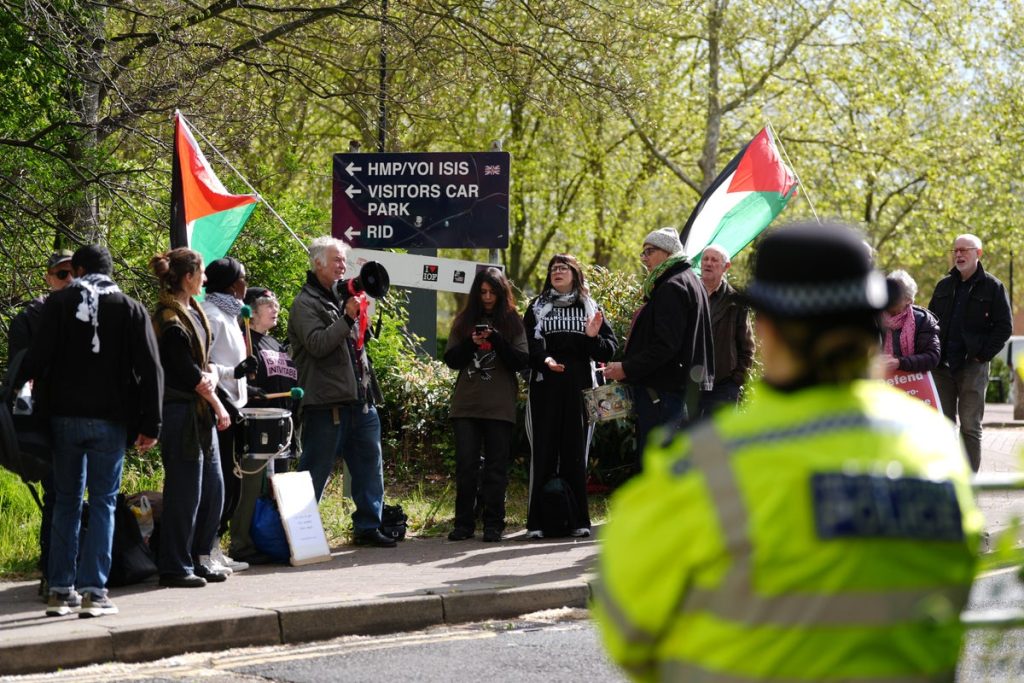
The legal saga surrounding the high-profile raid on the Elbit Systems facility in Bristol has reached a definitive conclusion. Following a protracted retrial at Woolwich Crown Court, four activists associated with the pressure group Palestine Action have been convicted of criminal damage. This case, which has spanned over 20 months, serves as a landmark moment in the ongoing debate regarding the limits of political protest and the legal boundaries of direct action in the United Kingdom.
The August 2024 Incident: A Meticulous Breach
In the early hours of August 6, 2024, a group of activists executed a carefully coordinated breach of the Elbit Systems UK site. The operation involved using a prison van as a “battering ram” to destroy the facility’s perimeter shutters. Once inside, the group—dressed in signature red boiler suits—proceeded to dismantle equipment, including drones and computer hardware, using sledgehammers and crowbars.
The prosecution, led by Deanna Heer KC, argued that the raid was not a spontaneous act of civil disobedience but a “meticulously organised” effort to cripple the company’s operations. The financial impact of the destruction was significant, with estimates placing the damage at approximately £1 million. Beyond the destruction of property, the group used fire extinguishers to spray red paint across the facility, effectively halting production at the site.
The Convictions: Justice and Accountability
The jury, after deliberating for more than 14 hours following the retrial, returned guilty verdicts for Charlotte Head, Samuel Corner, Leona Kamio, and Fatema Rajwani on charges of criminal damage. While the group maintained that their actions were a moral necessity to stop the production of weaponry they believed would be used to cause harm, the court focused strictly on the legal implications of their conduct.
Two other individuals, Zoe Rogers and Jordan Devlin, were acquitted of criminal damage charges, highlighting the complexities the jury faced in assigning individual liability during the chaotic event. For the four convicted, the legal journey has been grueling, with the original trial failing to reach a verdict on these specific counts, necessitating this final, high-stakes retrial.
The Assault on Sergeant Kate Evans
Perhaps the most harrowing aspect of the trial involved the conviction of Samuel Corner for inflicting grievous bodily harm (GBH) on Police Sergeant Kate Evans. During the police response to the break-in, Corner struck the officer twice in the back with a seven-pound sledgehammer.
Sgt. Evans testified that she feared she had been paralyzed and that her spine had been “shattered.” The injury required extensive recovery time, and more than 20 months later, she continues to work under restricted duties due to ongoing back pain. Corner was cleared of the more serious charge of “GBH with intent,” but the conviction for inflicting GBH underscores the violent turn the protest took when confronted by law enforcement.
The Legal Defense: “Jury Equity” and Moral Justification
Throughout the proceedings, the defendants leaned heavily on the concept of “jury equity”—the idea that a jury can acquit a defendant if they believe the law is being applied unjustly or if the defendant’s actions were morally motivated. Despite signs appearing near the court premises advocating for this principle, Mr. Justice Johnson explicitly instructed the jury to disregard external pressures and focus solely on the evidence presented in the courtroom.
The defense argued that the activists acted in good faith to “dismantle drones and weaponry.” However, the prosecution successfully demonstrated that the methods employed—specifically the use of heavy machinery to break into a secure site and the subsequent violence against responding officers—transcended the bounds of protected political protest.
Broader Implications for UK Activism
The outcome of this case provides a clear signal regarding how the British judicial system handles “direct action” tactics. While the group had previously been acquitted of aggravated burglary, the transition of the charges to criminal damage and the inclusion of violent assault charges shifted the narrative of the case significantly.
Political vs. Criminal: The court consistently distinguished between the right to protest and the criminal destruction of private property.
Safety of Personnel: The conviction of Samuel Corner serves as a warning that violence against law enforcement will be prosecuted with the full weight of the law, regardless of the political motivation behind the protest.
- The Future of Palestine Action: With several members now facing sentencing for these convictions, the group faces a pivotal moment in its organizational strategy.
Conclusion: A Complex Precedent
The convictions of the four Palestine Action activists mark the end of a long and contentious legal chapter. While the activists framed their actions as a humanitarian intervention, the court’s decision affirms that the rule of law remains paramount in the UK.
The case will likely be studied by legal scholars for years to come, particularly regarding the intersection of political activism, the defense of “necessity,” and the role of jurors in cases involving highly charged geopolitical issues. As of 2026, the case stands as a stark reminder that while the right to dissent is a cornerstone of democracy, it does not provide immunity for actions that cause massive financial destruction or inflict physical harm on others.