Justice Served: The Sentencing of Former Council Leader Jordan Linden and the Shockwaves in Scottish Politics

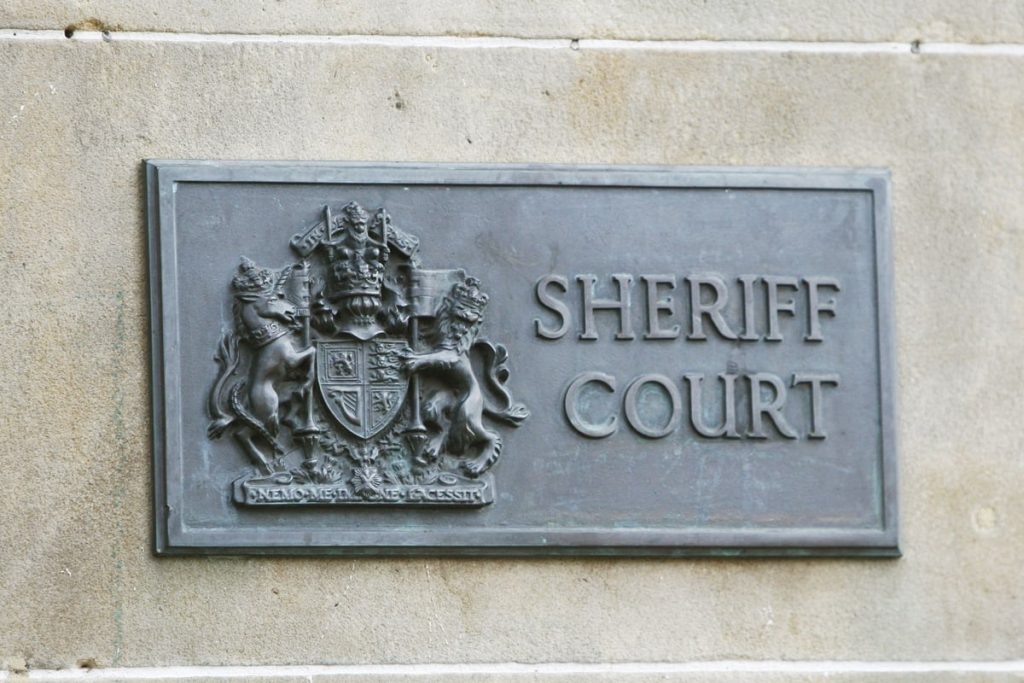
The corridors of power in North Lanarkshire were once the stage for one of the SNP’s most promising young stars. Today, however, those same halls are overshadowed by a legacy of betrayal and criminal misconduct. As we move through 2026, the long-awaited legal conclusion to one of Scotland’s most high-profile political scandals has arrived. Jordan Linden, the former leader of North Lanarkshire Council, is due to be sentenced at Falkirk Sheriff Court following a harrowing trial that exposed a decade-long pattern of predatory behavior.
This case is not merely a story of individual criminality; it is a landmark moment for political accountability in Scotland. It highlights the systemic failures that allowed a predator to rise through the ranks of a major political party while his victims suffered in silence.
The Fall of a Rising Star: Who is Jordan Linden?
At just 27 years old, Jordan Linden made headlines as one of the youngest council leaders in Scotland. His ascent within the Scottish National Party (SNP) was rapid, marked by a charismatic public persona and a seemingly bright future. However, the facade began to crumble in July 2022.
Reports of alleged sexual harassment and misconduct surfaced, forcing Linden to resign his leadership position. The fallout was immediate and devastating for the local government. The SNP administration in North Lanarkshire collapsed shortly after his departure, leading to a shift in the local political landscape that is still being felt in 2026. Linden eventually left the SNP in 2024, becoming an independent figure before the full weight of the law finally caught up with him.
A Decade of Offences: The Trial and Conviction
In March 2026, following a detailed and emotional trial at Falkirk Sheriff Court, Linden was found guilty of 10 separate offences. These crimes were not isolated incidents but spanned a ten-year period from 2011 to 2021. The victims were young men and teenagers, some of whom were at the start of their own careers or personal lives when Linden targeted them.
The convictions include:
Five counts of sexual assault: These represent the most physical and direct violations of his victims.
Three counts of engaging in a course of conduct causing fear or alarm: Often referred to as stalking or harassment, these charges highlight a persistent pattern of intimidation.
Charges involving sexual communication: This underscores the digital nature of modern predatory behavior, utilizing technology to exploit and harass.
The jury’s verdict was seen as a total vindication for the survivors. For years, rumors had circulated within political circles, but it was the bravery of the individuals who came forward to testify that finally secured a conviction.
The Political Aftermath: A Party Under Scrutiny
The Linden case has become a lightning rod for criticism against the SNP’s internal culture. While the party officially “welcomed” the verdict and praised the survivors, the timeline of the allegations suggests a deeper issue.
The Independent Review by John Swinney
Following the conviction, First Minister John Swinney ordered an independent review into the SNP’s internal processes. The primary focus of this review is to determine how complaints against Linden were handled—or mishandled—between 2011 and 2022. There are serious concerns that red flags were ignored in favor of protecting the party’s image or Linden’s political career.
Swinney has stated that the party must learn “difficult lessons,” but for many, these words come too late. The review aims to overhaul how the party manages safeguarding and sexual misconduct allegations to ensure that such a rise to power can never happen again.
Criticism from the Opposition
The political fallout has been amplified by the SNP’s opponents. Scottish Labour leader Anas Sarwar has been a vocal critic, accusing the SNP of “double standards.” Sarwar argued that the party was quick to condemn others while failing to clean its own house. The criticism centers on the fact that Linden remained in a position of significant power long after the first whispers of misconduct began to circulate.
Understanding the Legal Context: Fear, Alarm, and Sexual Communication
To understand the gravity of Linden’s sentencing, one must look at the specific nature of the charges under Scottish law.
- Section 38 Offences: The charges of “fear or alarm” (often prosecuted under Section 38 of the Criminal Justice and Licensing (Scotland) Act 2010) involve behavior that a “reasonable person” would find threatening. In Linden’s case, this involved a pattern of behavior that left his victims feeling unsafe in their daily lives.
- Sexual Communication: These charges often involve the sending of unsolicited sexual messages or images. In a political context, this often involves a power imbalance where the perpetrator uses their status to coerce or silence the recipient.
- Sexual Assault: These convictions carry the heaviest weight, reflecting non-consensual physical contact that violates the bodily autonomy of the victims.
The Human Cost: The Bravery of the Survivors
Behind the headlines and the political bickering are the real lives of the young men Linden targeted. The court heard how Linden used his position of influence to manipulate those around him. For many of the victims, coming forward meant not only reliving their trauma but also risking their own reputations in the tightly-knit world of Scottish politics.
The sentencing on Tuesday is a pivotal moment for these survivors. It represents the final step in a long journey toward justice. The Scottish justice system has increasingly focused on victim-centric approaches, ensuring that those who speak out are supported throughout the grueling trial process.
What to Expect from the Sentencing
As Linden appears at Falkirk Sheriff Court this Tuesday, legal experts are weighing the potential outcomes. Given the number of offences (10) and the extended period over which they occurred (a decade), a custodial sentence is widely expected.
The judge will consider several factors:
The age of the victims at the time of the offences.
The breach of trust inherent in Linden’s role as a public official and political mentor.
The impact statements provided by the survivors, detailing the long-term psychological effects of his actions.
Linden’s defense may point to his prior “good character” or his eventual resignation, but the sheer volume of convictions makes a lenient sentence unlikely.
Conclusion: A Turning Point for Accountability
The sentencing of Jordan Linden marks the end of a dark chapter for North Lanarkshire and the SNP. However, it is also the beginning of a necessary conversation about power, protection, and political integrity.
As we look toward the remainder of 2026, the results of John Swinney’s independent review will be crucial. Scotland’s political institutions must prove that they are capable of self-regulation and that the safety of individuals—especially young people entering politics—is more important than party loyalty or electoral success.
The Linden case serves as a stark reminder: no matter how high a politician rises, they are never above the law. Justice may be delayed, but as the proceedings at Falkirk Sheriff Court prove, it eventually arrives.