A New Chapter at Rideau Hall: Canada’s Next Governor General to be Announced Tuesday

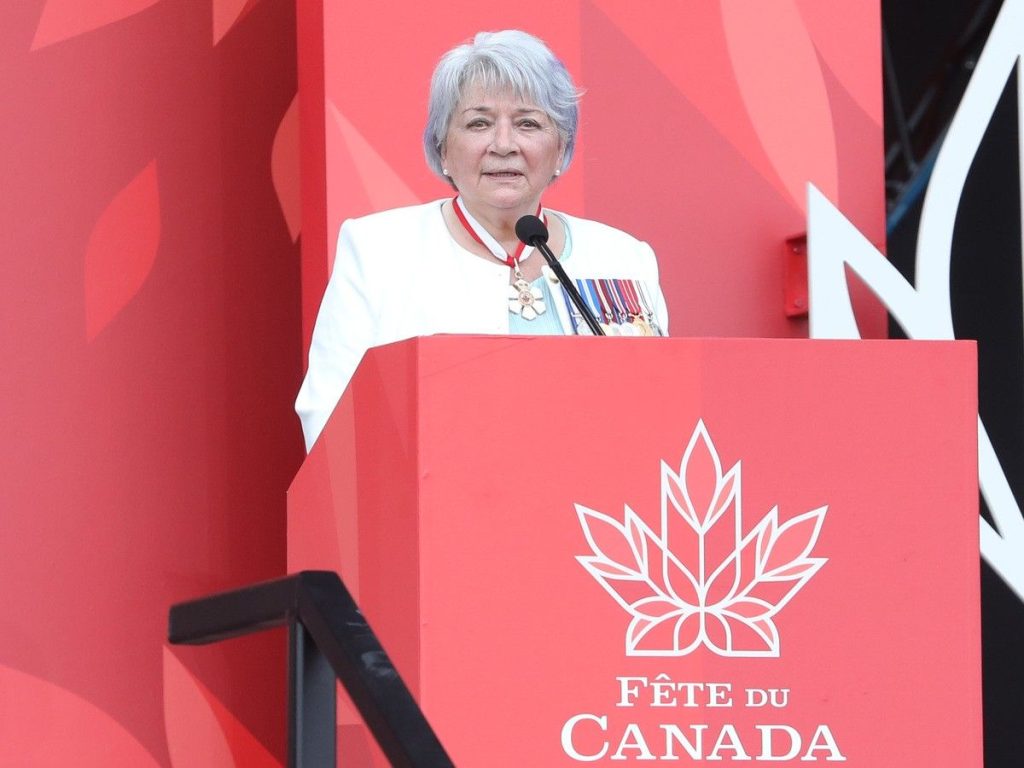
The corridors of power in Ottawa are buzzing with anticipation. Prime Minister Mark Carney is set to make a pivotal announcement this Tuesday morning, naming the successor to Mary Simon as Canada’s 31st Governor General. As Simon concludes her historic five-year mandate, the nation turns its eyes toward the next representative of King Charles III, with all signs pointing toward a significant shift in the criteria for the role.
For weeks, political insiders have speculated on the identity of the next vice-regal appointee. Prime Minister Carney has been clear about his intentions, recently confirming on Radio-Canada that the incoming Governor General will be fully proficient in both English and French. This move is widely viewed as a strategic response to the evolving political landscape in Quebec and a commitment to upholding the constitutional importance of bilingualism at the highest level of Canadian governance.
The End of an Era: Reflecting on Mary Simon’s Mandate
Mary Simon, Canada’s first Indigenous Governor General, leaves behind a legacy defined by her commitment to reconciliation and her unique perspective as an Inuk leader. Born in northern Quebec, Simon brought a profound understanding of the North and Indigenous affairs to Rideau Hall. Her tenure was marked by a tireless effort to bridge cultural divides and modernize the vice-regal office.
However, her time in office was not without its challenges. Simon, who is fluent in Inuktitut and English, faced ongoing criticism from various circles regarding her lack of proficiency in French. Despite her dedication to learning the language during her term, the absence of full bilingualism became a recurring point of contention for some political critics. As the federal government looks to the future, this transition serves as a reset, ensuring the next appointee arrives with the specific linguistic credentials that many Canadians deem essential for the office.
Why Bilingualism Has Become the New Gold Standard
The demand for a bilingual Governor General is not merely a bureaucratic preference; it is deeply rooted in the Canadian political psyche. In a country where the federal government must balance the interests of diverse provinces, the ability to communicate fluently in both official languages is seen as a bridge of unity.
The Quebec Factor
With the Parti Québécois currently leading in voter intentions and threatening to call for a third referendum, the federal government is under immense pressure to demonstrate its commitment to French-Canadian identity. By prioritizing a bilingual candidate, Prime Minister Carney is effectively insulating his administration from charges of negligence regarding the linguistic rights of Francophones.
Political Reactions
The response from opposition parties has been a mix of guarded optimism and skepticism. Conservative Quebec lieutenant Pierre Paul-Hus has publicly stated that bilingualism is the “minimum” requirement for the position. Meanwhile, the Bloc Québécois has expressed that while a bilingual appointee is a positive step, it does not change their fundamental stance that the office of the Governor General is an outdated institution that should be eliminated entirely.
What We Know About the Selection Process
While the Prime Minister’s Office has kept the identity of the next Governor General under tight wraps, multiple sources have confirmed that the appointee is a woman. This aligns with the recent tradition of appointing female leaders to the role, emphasizing the importance of representation at the vice-regal level.
The selection process for a Governor General is a rigorous undertaking. Once the Prime Minister makes a recommendation, the King must provide his formal approval. This process ensures that the appointee has the stature, the poise, and the diplomatic capability to represent the Crown effectively across Canada’s vast and diverse landscape.
A High Bar for Public Service
Public Safety Minister Gary Anandasangaree recently praised outgoing Governor General Mary Simon for her “incredible integrity.” As the nation prepares to welcome a new representative, the standard has been set high. Canadians expect their Governor General to be a symbol of stability, a diplomat who can navigate the complexities of constitutional law, and a figurehead who can connect with citizens from all walks of life.
The Path Forward: What to Expect After Tuesday
Once the announcement is made on Tuesday morning, the focus will shift to the transition period. The new Governor General will need to hit the ground running, particularly given the tense political climate. With the federal government facing scrutiny on several fronts, the incoming appointee will play a vital role in maintaining the decorum and neutrality of the office.
Observers will be watching closely to see how the new appointee balances the traditional ceremonial duties of the Governor General with the modern demands of the role. In an era of digital communication and heightened political polarization, the ability to command both English and French will be crucial for the new appointee to engage effectively with all regions of Canada.
Conclusion: A Turning Point for the Crown in Canada
As we look toward Tuesday’s announcement, it is clear that the role of the Governor General remains as relevant as ever. Despite debates about the future of the monarchy in Canada, the office continues to serve as the heartbeat of our parliamentary democracy. By selecting a candidate who is fully bilingual, Prime Minister Carney is signaling a commitment to the foundational principles that define Canada as a bilingual, multicultural nation.
Whether the new Governor General will be able to navigate the upcoming political storms—including the potential for a referendum in Quebec and ongoing debates about the role of the monarchy—remains to be seen. However, one thing is certain: Tuesday’s announcement will mark a significant turning point in the governance of our country.