2026 London Arson Wave: Former Whitechapel Synagogue Targeted in Latest Hate Crime Probe

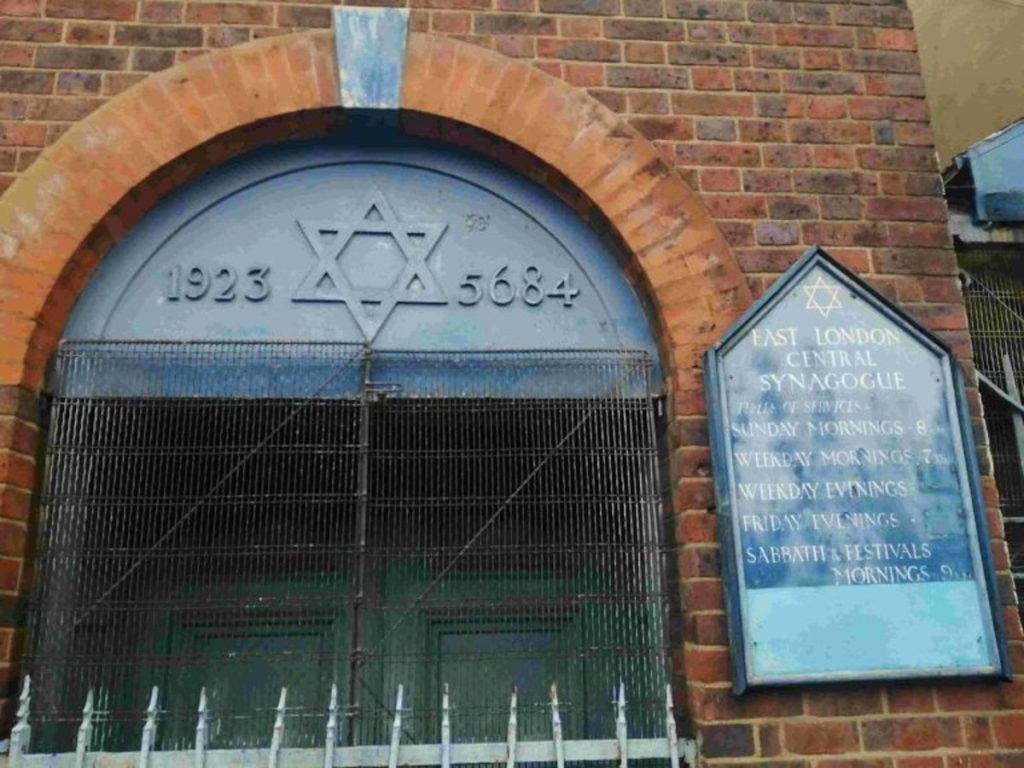
The pre-dawn stillness of East London was shattered this Tuesday as emergency services rushed to the site of a former synagogue in Whitechapel. What initially appeared to be a localized fire has quickly escalated into a high-priority counter-terrorism investigation, marking the latest in a chilling string of attacks targeting Jewish landmarks across the capital in 2026.
As the Metropolitan Police and specialist units sift through the charred remains at Nelson Street, the Jewish community remains on high alert. This incident is not being viewed in isolation; rather, it is seen as part of a coordinated pattern of hostility that has gripped London since late March.
The Nelson Street Incident: A Deliberate Act of Sabotage
At approximately 5:15 AM on Tuesday morning, the London Fire Brigade was alerted to a blaze at the building formerly known as the East London Central Synagogue. While the structure has not been operational as a place of worship for several years, its symbolic value to the Tower Hamlets and Hackney communities remains immense.
According to official statements from the Metropolitan Police, the fire caused minor damage to the front gates and a lock. However, the intent behind the act is what has caused the most alarm. CCTV footage recovered from the scene confirms that the fire was started deliberately just minutes before the emergency calls were placed.
Counter-Terrorism Policing Takes the Lead
Due to the sensitive nature of the target and the recent climate of religious-motivated violence, Counter-Terrorism Policing (CTP) London has officially taken charge of the inquiry. Detective Chief Superintendent Brittany Clarke emphasized the gravity of the situation:
“We are taking this incident extremely seriously. The building targeted has not been operational for some years, but that provides little comfort to the Jewish community who are first in my thoughts this morning.”
Local residents in Whitechapel can expect a significantly increased police presence as forensic teams continue their work. The investigation is currently focused on identifying the individuals seen on CCTV and determining if there is a direct link to other recent “lone actor” or organized extremist activities in the city.
A Disturbing Timeline: The 2026 Spring Attacks
The suspected arson in Whitechapel is the fourth major incident involving Jewish sites in less than two months. Security experts and the Jewish security charity Shomrim are drawing parallels between this event and a series of prior attacks that have shaken the community’s sense of safety.
1. The Finchley Reform Synagogue Attempt (April 15)
In mid-April, the Finchley Reform Synagogue was the target of an attempted arson. While the fire failed to take hold, the intent to destroy a prominent community hub was clear.
2. The Golders Green Memorial Wall Attack (April 27)
A suspected arson attack targeted a memorial wall in Golders Green. This specific site is deeply significant, as it commemorates victims of the 2023 Hamas music festival attack. The desecration of a memorial for the deceased has been described by community leaders as a “new low” in the current wave of anti-Semitic sentiment.
3. The Hatzola Ambulance Fires (March)
Earlier in the spring, four ambulances belonging to Hatzola, the Jewish emergency medical service, were set ablaze in Golders Green. The destruction of life-saving equipment signaled a shift from symbolic attacks to those that directly impact the physical safety and infrastructure of the community.
The Golders Green Stabbings: A Violent Escalation
The arson wave follows closely on the heels of a horrific stabbing incident that occurred last week. Two Jewish men were attacked in broad daylight in the Highfield Avenue and Golders Green Road area.
The suspect, identified as 45-year-old British national Essa Suleiman, was apprehended at the scene through a combination of public intervention and the rapid response of Shomrim volunteers. Suleiman was eventually Tasered and arrested by the Metropolitan Police. He has since been charged with attempted murder and is also being investigated for a separate incident in Southwark.
The fact that the Nelson Street arson occurred so shortly after the Suleiman arrest suggests that the threat landscape is multifaceted, involving both violent physical assaults and clandestine arson attacks.
Why “Former” Synagogues Are Still Targets
A recurring question in the wake of the Whitechapel fire is why a building that is no longer operational would be targeted. Security analysts suggest several reasons:
Symbolic Resonance: Even if the pews are empty, the architecture remains a visible symbol of Jewish history and presence in East London.
Vulnerability: Former religious buildings often have lower levels of day-to-day security compared to active synagogues, making them “soft targets” for arsonists.
- Historical Eradication: Targeting historical sites is a common tactic in hate crimes intended to signal that a specific group is no longer welcome in a particular neighborhood.
Whitechapel has a rich Jewish heritage, once being the heart of the Jewish East End. Targeting the Nelson Street building is seen by many as an attack on that very history.
Strengthening the Shield: Shomrim and Community Security
In response to the “swathe of attacks,” Shomrim (North and East London) has drastically increased its security patrols. These volunteer-led teams work in tandem with the Metropolitan Police to provide a visible deterrent and rapid response capability.
Enhanced Security Measures for 2026
Following the latest incident, several new measures are being implemented across London’s Jewish neighborhoods:
- 24/7 Surveillance: Upgrading CCTV systems at both active and disused religious sites.
- Mobile Patrols: Shomrim has deployed additional vehicles to patrol high-risk areas during the “danger hours” of 2:00 AM to 6:00 AM.
- Community Briefings: Local synagogues and community centers are receiving updated safety protocols from Counter-Terrorism Policing.
The Global Context: Anti-Semitism in the Post-2023 Era
The events of 2026 cannot be fully understood without acknowledging the geopolitical tensions that have simmered since 2023. Commander Helen Flanagan, head of Counter-Terrorism Policing London, noted that investigators are considering potential links between these domestic attacks and broader international narratives.
“This incident follows a number of arsons targeting Jewish Londoners,” Flanagan stated. “We are looking into the radicalization pathways that lead individuals to target these specific sites.”
The rise in digital radicalization has been cited as a primary driver. Online platforms often host content that glorifies the destruction of Jewish symbols, providing a “blueprint” for lone-wolf attackers to follow.
Conclusion: A City at a Crossroads
The arson attack on Nelson Street is more than just a fire; it is a challenge to the multicultural fabric of London. As the Counter-Terrorism investigation continues, the focus remains on bringing the perpetrators to justice and ensuring that no further landmarks fall victim to this wave of hate.
For the residents of Tower Hamlets and Golders Green, the message from the authorities is clear: vigilance is mandatory, but fear must not prevail. With increased police presence and the unwavering dedication of organizations like Shomrim, the city hopes to extinguish the flames of intolerance before they spread any further.
Stay Informed: To receive the latest updates on London security and community news, register for local news briefings and stay connected with official Metropolitan Police channels.