Global Health Alert: WHO Spearheads Emergency Response to Deadly Hantavirus Outbreak on Atlantic Cruise Ship

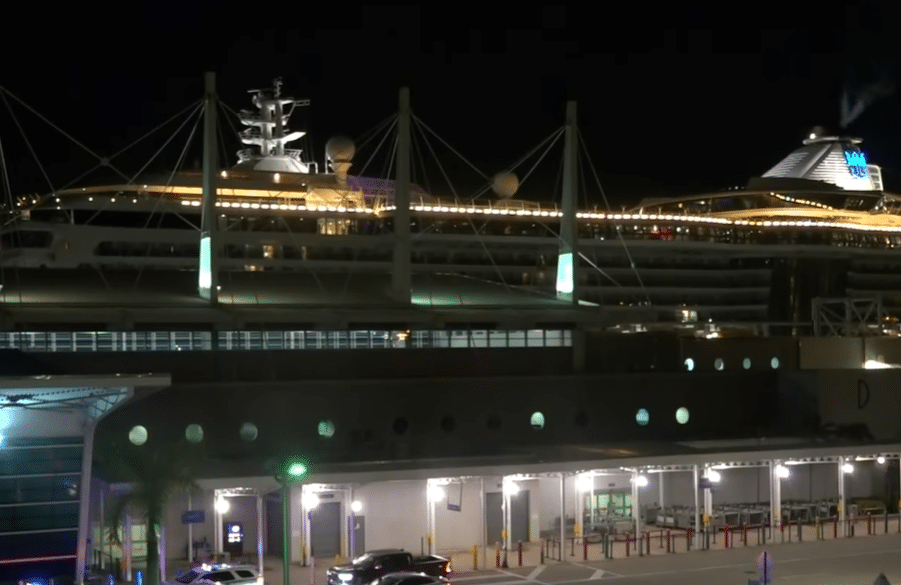
The year 2026 has brought a stark reminder of the complexities of global health security. What began as a scenic voyage across the Atlantic Ocean has transformed into a high-stakes medical emergency. The World Health Organization (WHO) is currently leading an intensive, multi-national response to a deadly hantavirus outbreak aboard a cruise ship.
With three confirmed fatalities and several others fighting for their lives, the incident has sent ripples through the maritime industry and the international health community. As the ship traverses the waters between South America and Africa, the WHO is working around the clock to contain the pathogen and prevent a wider crisis.
The Current Situation: High Seas and High Stakes
The outbreak occurred on a vessel identified as the m/v Hondius, operated by Oceanwide Expeditions, during a journey from Argentina toward Cape Verde. The situation escalated rapidly when passengers began exhibiting severe respiratory and gastrointestinal distress.
To date, the WHO has confirmed one laboratory-verified case, while five additional suspected cases are under close observation. Tragically, three individuals have already succumbed to the illness. One patient remains in critical condition, receiving specialized care in an intensive care unit in South Africa.
Immediate Response and Evacuation Efforts
The WHO Regional Office for Africa is coordinating the logistics of this crisis. Mohamed Yakub Janabi, the WHO Regional Director for Africa, has emphasized that while the event is serious, it is currently “contained.”
Emergency medical evacuations are underway for symptomatic passengers. These individuals are being transported to high-level biocontainment facilities to ensure they receive the best possible care while minimizing the risk of further exposure.
Understanding Hantavirus: A Rare but Potent Threat
Hantaviruses are a family of viruses spread mainly by rodents. While they are relatively uncommon in humans, they can cause severe, often fatal, respiratory or hemorrhagic conditions. In the context of 2026, where global travel is more interconnected than ever, the appearance of such a virus on a cruise ship is a significant concern for maritime health safety.
How Hantavirus Spreads
Unlike many common shipboard illnesses, hantavirus is not typically known for rapid human-to-human transmission. Instead, humans are usually infected through:
Inhalation of aerosolized virus particles from rodent urine, droppings, or saliva.
Direct contact with infected rodents or their nesting materials.
Bites from an infected carrier (though this is rarer).
The WHO’s Bhanu Bhatnagar clarified that the risk to the general public remains low because the virus does not jump easily between people. However, the confined environment of a ship presents unique challenges for environmental decontamination.
Recognizing the Symptoms
In the current outbreak, medical teams are looking for a specific progression of symptoms. Early signs of hantavirus infection usually appear between one and six weeks after exposure.
Initial Phase: High fever, severe headaches, and intense muscle aches (especially in the large muscle groups like thighs, hips, and back).
Gastrointestinal Distress: Nausea, vomiting, and sharp abdominal pain.
Advanced Phase: If the virus progresses to Hantavirus Pulmonary Syndrome (HPS), patients experience shortness of breath and fluid accumulation in the lungs.
The WHO’s Science-Based Action Plan
The WHO is not acting alone. The response is a masterclass in international cooperation, involving the ship’s operators, the Dutch government, and health authorities in South Africa and Cape Verde.
Epidemiological Tracing and Genetic Sequencing
One of the most critical components of the response is genetic sequencing. By analyzing the virus’s RNA, scientists can determine the specific strain of hantavirus involved. This helps health officials trace the origin of the infection—whether the rodents were brought on board at a specific port or if the infestation was pre-existing.
Risk Assessment and Monitoring
The WHO is conducting a full health risk assessment for everyone on board. This includes:
- Daily health screenings for all passengers and crew members.
- Environmental sampling of the ship’s ventilation and storage areas.
- Strict isolation protocols for anyone showing even mild symptoms.
“Our focus is clear: to save lives, contain risks, and ensure that countries are fully supported with science-based action,” stated Janabi. This approach is designed to prevent the need for broad travel restrictions, which could devastate the tourism industry.
Why This Outbreak Matters in 2026
While hantavirus causes between 10,000 and 100,000 infections annually—mostly in Asia and Europe—an outbreak on a cruise ship is a rare occurrence. It highlights the evolving nature of zoonotic diseases and the necessity for rigorous hygiene standards in the travel sector.
The Role of the International Health Regulations (IHR)
The WHO has informed national authorities under the International Health Regulations (2005). This legal framework ensures that countries work together to manage public health events that have the potential to cross borders. By using the IHR, the WHO ensures that information is shared transparently, preventing the spread of misinformation and panic.
No Need for Panic: The Expert View
Despite the tragic loss of life, health experts urge the public to remain calm. The low risk of human-to-human transmission means that this is not the start of a new pandemic. Instead, it is a localized environmental health failure that is being aggressively managed.
Looking Ahead: Safety Protocols for Future Travelers
The 2026 hantavirus incident will likely lead to a revision of maritime health protocols. We can expect to see:
Enhanced Pest Control: More frequent and rigorous inspections for rodent activity on commercial and passenger vessels.
Improved Ventilation Systems: Upgrading HEPA filtration to better capture aerosolized pathogens.
- Rapid Diagnostic Kits: The development of on-board testing for rare viruses to allow for immediate isolation.
For those planning to travel, experts suggest staying informed but not fearful. Modern cruise ships are equipped with sophisticated medical facilities, and the rapid intervention by the WHO in this case demonstrates that the global safety net is functioning effectively.
Conclusion: A Coordinated Path Forward
The WHO-led response to the hantavirus outbreak on the Atlantic cruise ship is a testament to the power of international health collaboration. By prioritizing science-based action and transparent communication, the agency is working to ensure that this tragic event remains contained.
As investigations continue and genetic sequencing sheds light on the source of the virus, the primary goal remains the recovery of the infected and the safety of the remaining passengers. The world watches as the WHO navigates these literal and metaphorical stormy waters, proving once again that in the face of a viral threat, unity is our strongest defense.
Stay tuned for further updates as the WHO prepares its official public disease outbreak news report.