Canada’s International Student Enrolment Plummets to Pandemic-Era Levels: What You Need to Know

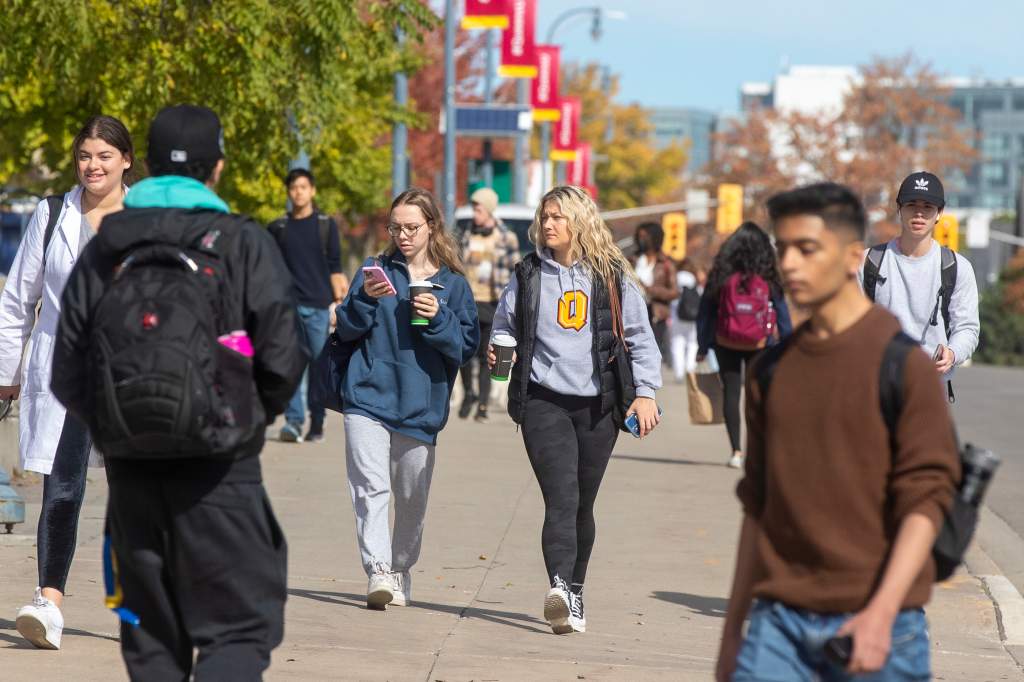
The landscape of Canadian higher education is undergoing its most significant transformation in decades. Following a period of unprecedented growth that saw international student numbers skyrocket eightfold between 2003 and 2024, the tide has officially turned. According to the latest preliminary data from Statistics Canada for the 2026 academic year, international student enrolment has dwindled to levels not seen since the height of the COVID-19 pandemic.
For prospective students, educational institutions, and policymakers, this shift represents a massive departure from the “growth at all costs” model that defined the previous decade. As the federal government continues to tighten immigration policy, we are witnessing a structural realignment of Canada’s post-secondary sector.
The Data Behind the Decline: A Sharp Correction
The numbers released by Statistics Canada paint a sobering picture for the academic sector. After the federal government introduced strict student visa caps in January 2024, the momentum that fueled Canada’s international education boom effectively hit a wall.
2024-2025 Academic Year: A modest initial decrease of 4% in full-time international student enrolment.
2025-2026 Academic Year: A significant, structural drop of 26% compared to the previous year.
This cumulative decline has effectively wiped out the gains made in the post-pandemic recovery, bringing current enrolment figures back to the 2021-2022 levels. While the initial policy goal was to stabilize the housing market and reduce the number of temporary residents, the speed of this contraction has sent shockwaves through public colleges and universities alike.
College vs. University: Assessing the Impact
The impact of these immigration policy changes has not been felt equally across the board. The divergence between public colleges and universities highlights how different segments of the Canadian education system were reliant on international tuition fees.
The Plight of Public Colleges
Public colleges, which had previously overtaken universities in total international enrolment by 2023, have borne the brunt of the crackdown. Since 2023-2024, international student enrolment in colleges has plummeted by a staggering 42%. The 2025-2026 academic year alone saw a 40% drop, indicating that the federal cap on study permits has hit the vocational and diploma-granting sector significantly harder than the research-intensive university sector.
The University Experience
Universities have seen a more moderate, though still substantial, contraction. Enrolment in universities dropped 17% between 2023-2024 and 2025-2026. This decline has effectively returned university international student populations to 2019-2020 pre-pandemic levels. While universities remain more resilient due to their diverse funding sources and reputation, they are nonetheless forced to re-evaluate their international recruitment strategies in an era of restricted visa approvals.
Regional Shifts: Ontario’s Changing Status
Ontario has historically been the primary destination for international students, accounting for six out of every ten arrivals in 2023. However, the province has experienced the steepest decline under the new federal guidelines.
In the 2025-2026 academic year, Ontario’s share of the international student population dropped to 54%. With a 36% decline in enrolment for that year alone, the province is no longer the undisputed hub it once was. This regional shift suggests that students are either opting for other provinces or, more likely, choosing to bypass Canada entirely due to the increased difficulty of obtaining a study permit.
The Policy Framework: Why is this Happening?
The current administration, maintaining the course set by the previous government, has a clear objective: to reduce the number of temporary residents in Canada to below 5% of the total population by the end of 2027.
The Immigration, Refugees and Citizenship Canada (IRCC) strategy for 2026 involves a significantly lower ceiling for study permits. With an expected issuance of 408,000 permits—comprising both new arrivals and extensions—the government is signaling that the era of aggressive growth in temporary residency is over. This target is 16% lower than the 2024 goal, underscoring a long-term commitment to lower intake numbers.
Economic and Academic Implications
The rapid reduction in international student numbers poses a complex challenge for the Canadian economy and the higher education sector.
- Financial Sustainability: Many public institutions have relied heavily on international tuition to offset stagnant domestic funding. With these revenue streams drying up, universities and colleges are increasingly forced to appeal to provincial governments for financial support.
- Workforce Development: There has been ongoing debate regarding the impact of international students on the domestic STEM workforce. While some argue that international students fill critical labor gaps, others suggest that unchecked enrolment can occasionally crowd out domestic students in high-demand fields.
- Future Talent Pipeline: By capping the number of study permits, Canada is fundamentally changing its “study-to-work” immigration pathway. This will likely lead to a more selective, albeit smaller, group of international graduates entering the Canadian labor market.
Looking Ahead: What to Expect in 2026 and Beyond
As we move through 2026, the “new normal” for Canadian higher education is becoming clear. The focus has shifted from volume to quality and sustainability. Prospective students should anticipate a more rigorous application process, higher standards for visa approval, and a more competitive environment for admission to Canadian public institutions.
For the institutions themselves, the challenge lies in diversifying their student body and finding sustainable funding models that do not depend exclusively on international tuition. The government’s determination to keep the cap in place suggests that this is not a temporary blip, but a long-term recalibration of Canada’s immigration and education strategy.
In conclusion, the data from Statistics Canada confirms that the Canadian international student sector has transitioned from a decade of rapid expansion to a period of contraction. While this may alleviate some pressures on housing and infrastructure, it leaves Canadian universities and colleges with the difficult task of reinventing their financial and academic strategies for the years to come.