The Ultimate Guide to the 2026 All-Ireland Football Championship Revamp: Everything You Need to Know

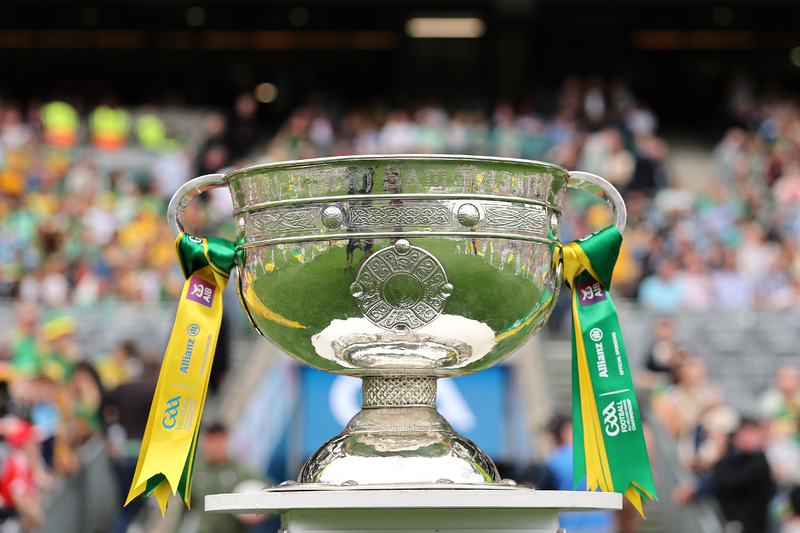
The wait is finally over. As the dust settles on a pulsating series of provincial finals, the focus of the Gaelic games world shifts toward the most significant structural change in a generation. The 2026 All-Ireland Senior Football Championship has arrived with a brand-new face, shedding the skin of the often-criticized round-robin group stages in favor of a high-stakes, “backdoor” style format that promises maximum jeopardy from the very first whistle.
On Monday afternoon at 1:00 PM, the draw for the opening round will be broadcast live on GAA+, marking the beginning of a new era for the Sam Maguire Cup. If you are confused about how the bowls work, who gets home advantage, or how a team can still reach the quarter-finals after an early loss, this comprehensive guide will break down every nuance of the revamped All-Ireland football championship format.
Why the GAA Scrapped the Round-Robin Format
For the past three seasons, the GAA community debated the merits of the group stage format introduced in 2023. While it guaranteed more games, critics argued it lacked “do-or-die” intensity, leading to several “dead rubber” matches where teams had already qualified before the final round.
In a landmark move at the GAA Congress, delegates voted to abolish the group phases for the 2026 season. The new system is designed to reward provincial success while maintaining a safety net for top-tier teams, echoing the beloved “backdoor” qualifiers of the early 2000s but with a more structured, seeded approach. The goal is simple: more drama, higher stakes, and every game matters.
How the Round 1 Draw Works: Seedings and Bowls
The 16 teams entering the race for the Sam Maguire are split into two bowls for the Round 1 draw. This ensures that the most successful teams from the provincial championships are rewarded for their performance.
Bowl 1: The Provincial Finalists
The eight teams that reached their respective provincial finals (Connacht, Munster, Leinster, and Ulster) are placed in Bowl 1. These teams are guaranteed home advantage for the opening round of the All-Ireland series.
Galway (Connacht)
Roscommon (Connacht)
Dublin (Leinster)
Westmeath (Leinster)
Cork (Munster)
Kerry (Munster)
Armagh (Ulster)
Monaghan (Ulster)
Bowl 2: The League Ranking Qualifiers
The remaining eight spots are filled by the next-best teams based on their finishing positions in the All-Ireland Football League. This bowl is packed with “danger teams” that failed to reach a provincial final but remain heavyweights in the hunt for Sam.
Donegal
Mayo
Meath
Louth
Derry
Tyrone
Cavan
Kildare
The Round 1 draw is an “open draw” within these parameters, meaning any team from Bowl 1 can face any team from Bowl 2, regardless of whether they have already met in the provincial championships.
The 2026 Championship Roadmap: Navigating the Rounds
The beauty of the 2026 revamp lies in its tiered progression. Unlike a straight knockout, a single loss does not necessarily mean the end of the road—but it makes the path to Croke Park significantly steeper.
Round 1: The Opening Salvo
The 16 teams face off in eight matches. The provincial finalists (Bowl 1) play at home.
Winners: Advance to Round 2A.
Losers: Drop into the “Backdoor” (Round 2B).
Key Dates:
Munster and Connacht finalists play: 23/24 May 2026.
Ulster and Leinster finalists play: 30/31 May 2026.
Round 2A: The Fast Track to the Quarter-Finals
The eight winners from Round 1 are drawn against each other. The four winners of these matches receive a direct pass into the All-Ireland Quarter-Finals. They also earn a two-week break, a crucial advantage in the modern, high-intensity game.
Round 2B: The Survival Round
The eight losers from Round 1 face off in a “win-or-bust” scenario. There are no third chances here.
Winners: Progress to Round 3.
Losers: Their championship season ends immediately.
Round 3: The Crossover
This is where the tension reaches a fever pitch. The four teams that lost in Round 2A (who were just one win away from a quarter-final) are drawn against the four winners from Round 2B.
The winners of these four matches claim the final four spots in the All-Ireland Quarter-Finals.
Key Rules and Draw Protections
To ensure fairness and variety in matchups, the GAA has implemented specific “draw protections” for the 2026 season:
- Home Advantage: In Round 1, the provincial finalists always play at home. In Rounds 2 and 3, home advantage is determined by a semi-open draw (the first team picked plays at home).
- No Repeat Pairings: A re-draw or fixture swap will occur if a selected tie is a repeat of a provincial final or a Round 1 matchup. This keeps the championship fresh and prevents teams from playing the same opponent multiple times in a short window.
- Neutral Venues: From the Quarter-Final stage onwards, all matches are traditionally held at Croke Park or other designated neutral “super-stadia.”
Analysis: Who Benefits from the New Format?
The 2026 revamped format creates a fascinating dynamic for both the “Big Three” (Dublin, Kerry, Mayo) and the rising contenders.
The Reward for Provincial Success
By giving provincial finalists home advantage and a seeded draw, the GAA has successfully breathed life back into the provincial championships. Teams like Westmeath and Monaghan now view a provincial final appearance not just as a trophy opportunity, but as a tactical “leg up” in the All-Ireland series.
The “Mayo Factor” in Bowl 2
Having teams like Mayo, Donegal, and Derry in Bowl 2 is a nightmare scenario for provincial champions. A team could win Munster or Leinster only to find themselves hosting a battle-hardened Mayo side in Round 1. This ensures that the opening round of the All-Ireland series will have the intensity of a semi-final.
The End of “Shadow Boxing”
In the previous group format, teams often played with a “safety net” mentality, knowing that finishing third in a group of four was enough to stay alive. In 2026, that luxury is gone. Losing in Round 1 puts a team’s season on life support. This will force managers to field their strongest XVs earlier in the summer, significantly increasing the quality of football for fans and broadcasters.
The Impact on the Tailteann Cup
It is important to note that the Tailteann Cup continues to run alongside the Sam Maguire Cup. Teams that did not qualify for the top-tier 16 based on league ranking and provincial performance compete in the Tailteann Cup. This ensures that all counties have a meaningful championship path, but the 2026 revamp focuses specifically on streamlining the hunt for the Sam Maguire.
Conclusion: A Summer of Unpredictability
The 2026 All-Ireland Senior Football Championship draw marks a return to the “jeopardy-first” philosophy that made Gaelic football a national obsession. By combining the prestige of the provincial championships with the ruthless efficiency of a modified backdoor system, the GAA has found a middle ground that rewards excellence while allowing for the “Cinderella stories” that define Irish sport.
As the balls are drawn this Monday, every county board, manager, and fan will be doing the math. The road to the Hogan Stand is now a gauntlet of high-stakes matches where one bad afternoon can end a dream, and one great performance can spark a run to glory.
Keep your eyes on GAA+ this Monday at 1:00 PM—the race for Sam Maguire has never looked so intense.**