Blake Lively and Justin Baldoni Reach Settlement: The End of the ‘It Ends With Us’ Legal Saga

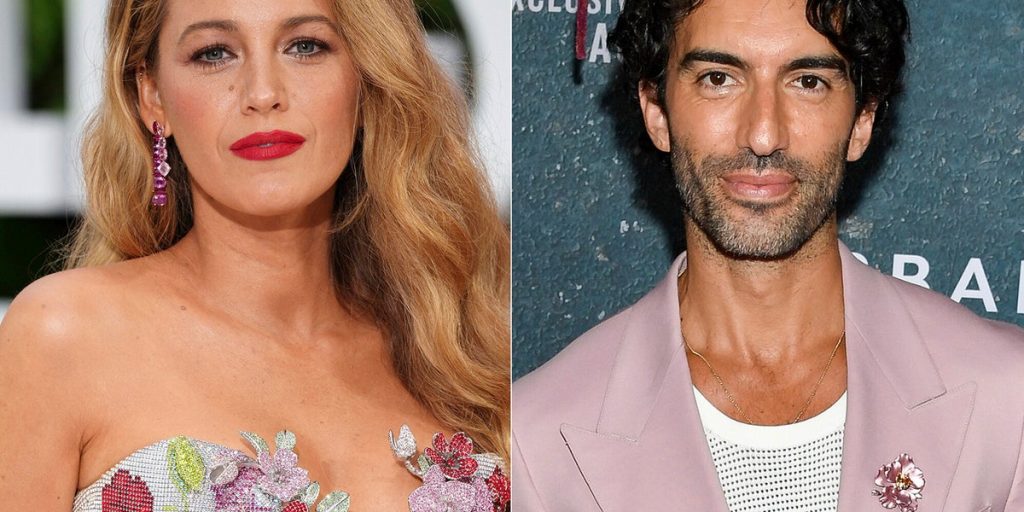
The curtains have finally closed on one of Hollywood’s most highly publicized legal dramas of the mid-2020s. After months of intense speculation, courtroom filings, and a public fallout that dominated entertainment news cycles, Blake Lively and Justin Baldoni have reached a formal settlement, effectively ending their contentious legal battle surrounding the 2024 hit film It Ends With Us.
The announcement, released via a joint statement from their respective legal teams, marks a pivotal moment for the actors, the production team, and the fans who were caught in the middle of the project’s complex behind-the-scenes narrative. As we move into 2026, this resolution provides a definitive conclusion to a conflict that began shortly after the film’s theatrical release.
The Road to Resolution: A Summary of the Dispute
The legal friction between Lively and Baldoni was characterized by a series of serious allegations that moved beyond typical “creative differences” often seen in the film industry. The dispute, which escalated throughout 2025 and into early 2026, involved cross-filed lawsuits that painted starkly different pictures of the atmosphere on the It Ends With Us set.
Lively’s Claims and the Legal Fallout
Blake Lively, who served as both a lead actress and a producer on the film, had leveled serious accusations against Justin Baldoni. Her legal team alleged that Baldoni had engaged in sexual harassment during production. Furthermore, Lively claimed that after she raised these concerns internally, Baldoni orchestrated a calculated smear campaign, allegedly conspiring with publicists to damage her professional reputation.
Baldoni’s Defense and Counter-Claims
Conversely, Justin Baldoni, who directed and co-starred in the project, vehemently denied these allegations. His legal team filed counter-claims accusing Lively of defamation and extortion. Baldoni maintained that his professional conduct was above board and that the narrative surrounding his behavior was being manipulated to undermine his standing in the industry.
By January 2026, the legal landscape had shifted significantly. A federal judge had already dismissed several key components of both parties’ claims, narrowing the scope of the trial. However, Lively’s remaining claims regarding breach of contract and retaliation were set to head to a trial before the parties opted for this final settlement.
The Terms of Peace: Moving Forward Constructively
While the specific financial details of the settlement remain confidential, the tone of the joint statement issued by attorneys Bryan Freedman, Ellyn Garofalo, Michael Gottlieb, and Esra Hudson suggests a desire for mutual closure.
The statement emphasized that the primary goal of the settlement is to allow everyone involved to “move forward constructively and in peace.” By avoiding a protracted public trial, both parties have effectively opted to protect their respective brands and focus on their future creative endeavors.
A Focus on the Film’s Legacy
Despite the off-screen turmoil, both camps remain vocal about the importance of the final product. The It Ends With Us film, based on the best-selling novel by Colleen Hoover, was praised for its portrayal of sensitive subject matter.
The legal teams noted:
The movie remains a source of pride for all who worked on it.
The collective goal remains to raise awareness for domestic violence survivors.
The parties acknowledge that the impact on survivors is the most important takeaway from the project’s existence.
Analyzing the Impact on Hollywood Production Culture
The It Ends With Us legal battle serves as a case study for the evolving nature of workplace conduct in the entertainment industry. When high-profile stars are also producers, the power dynamics become increasingly complex. This case highlighted the difficulties of navigating internal grievances when the people at the top of the hierarchy are the ones in conflict.
The Evolution of On-Set Accountability
In the wake of this settlement, industry insiders are discussing the need for more robust HR oversight and conflict resolution protocols on film sets. When a film’s success is tied to the public perception of its leads, the stakes for maintaining a professional environment are higher than ever.
The fact that this dispute reached the level of federal court underscores a growing trend: actors are no longer willing to keep grievances private if they feel their reputation or career is being targeted. This “new era of accountability” means that studios must be more diligent in managing interpersonal conflicts before they spiral into public legal battles.
What This Means for Lively and Baldoni
For Blake Lively, the settlement allows her to put the It Ends With Us chapter behind her and continue her trajectory as a producer and actor. Her ability to navigate the fallout of this case will likely influence how she approaches future production roles, emphasizing the need for ironclad contractual protections and clear communication channels.
For Justin Baldoni, the resolution is equally critical. As a director, his reputation for creating a safe and collaborative set is his primary currency. With the legal battle concluded, he can focus on his upcoming directing projects without the shadow of the defamation and harassment claims looming over his professional interactions.
Conclusion: A New Chapter
The settlement reached in 2026 serves as a definitive end to a story that captivated the public for far too long. While the drama on the set of It Ends With Us* provided endless tabloid fodder, the ultimate resolution is a testament to the fact that even the most contentious legal disputes often end at the negotiating table.
As the industry moves forward, the legacy of this case will likely be found in how production companies handle sensitive allegations in the future. For now, both Blake Lively and Justin Baldoni have the opportunity to return to the work they love, leaving the courtroom drama in the past. The focus can finally shift back to the art, the storytelling, and the important message of awareness that the film was intended to deliver.