The Spirit Airlines Shutdown: What It Means for Your Future Travel Plans in 2026

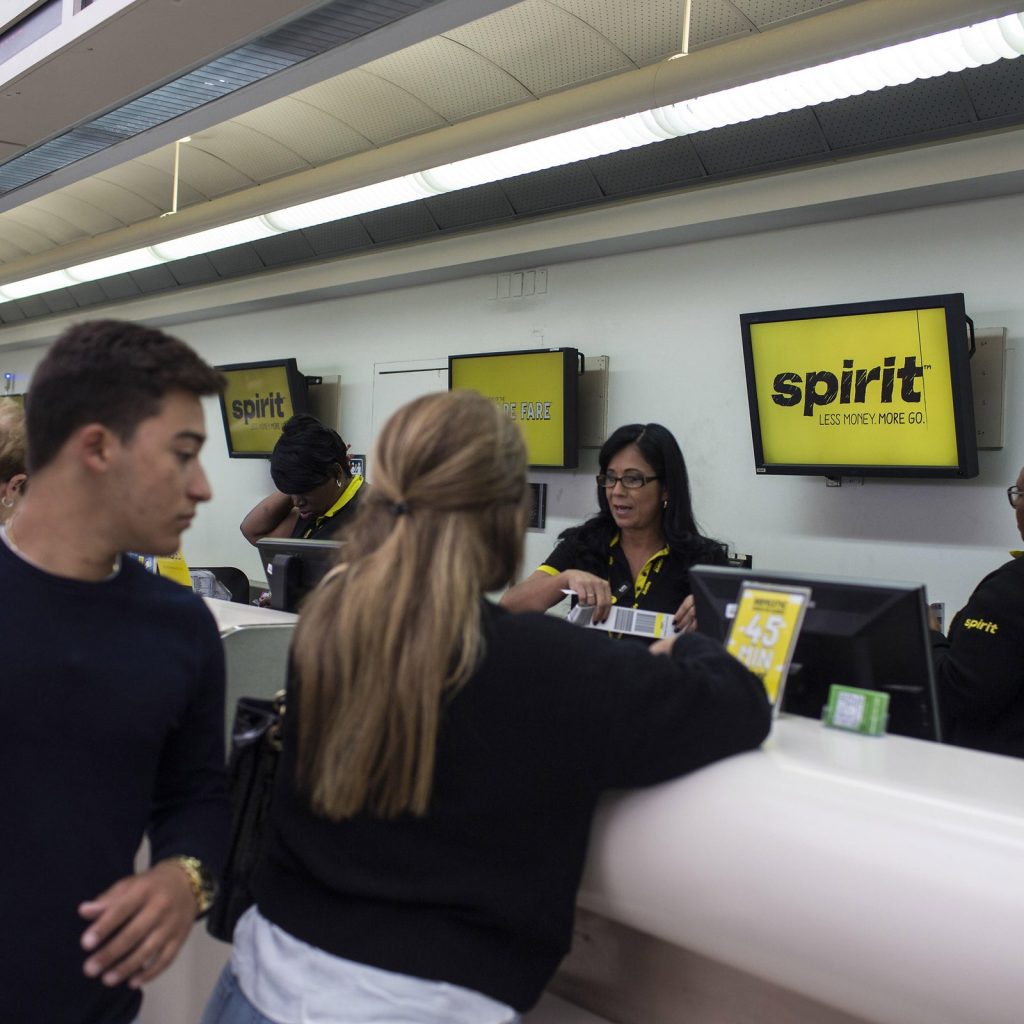
The aviation landscape shifted dramatically in 2026 as Spirit Airlines, the long-standing pioneer of ultra-low-cost travel, officially ceased operations. After failing to secure a critical $500 million federal bailout, the carrier initiated an orderly wind-down of its business, leaving thousands of passengers scrambling and industry experts bracing for a new reality in commercial aviation.
If you are a traveler who relied on Spirit’s budget-friendly fares, the ripple effects of this collapse will be felt for months, if not years. From the mechanics of securing refunds to the long-term impact on your wallet, here is everything you need to know about navigating the post-Spirit travel environment.
Immediate Steps for Stranded Passengers
The sudden nature of the shutdown has left many travelers in a state of confusion. If you had an upcoming flight or were stranded mid-journey, the first priority is to stabilize your travel plans.
1. Navigating the Refund Process
Spirit has stated that it will process automatic refunds for tickets purchased directly through the airline using a credit or debit card. However, the process is rarely instantaneous.
Credit/Debit Card Disputes: If you do not see a refund within a reasonable timeframe, contact your credit card issuer immediately. Under federal consumer protection laws, you can file a chargeback for “non-delivery of services.”
The Cash and Points Dilemma: Unfortunately, travelers who paid with cash, vouchers, or airline loyalty points face a more difficult path. Compensation for these bookings is currently tied to the bankruptcy process, which is notoriously slow and uncertain.
2. Utilizing “Rescue Fares”
Several major carriers have stepped in to offer a lifeline to stranded passengers. Major airlines including Delta, United, American, Southwest, and JetBlue have implemented “rescue fares” or price caps for routes previously served by Spirit.
Documentation is Key: To access these discounted rates, you must provide proof of your original Spirit itinerary and payment.
Act Quickly: Many of these programs are short-term initiatives designed to clear the immediate backlog of travelers. Always check the official websites of major carriers like United.com/specialfares or use their mobile apps to see if your specific route qualifies for a price cap.
The Economic Impact: Why Airfares Are Set to Rise
Industry experts have long warned that the loss of a major budget carrier would inevitably lead to a spike in ticket prices. Spirit’s business model was built on “unbundling” costs, which forced larger competitors to keep their prices competitive. Without that pressure, the “Spirit Effect” is dissipating.
The Correlation Between Capacity and Cost
When a low-cost carrier exits a market, the immediate result is a reduction in total seat capacity. According to aviation analytics firm Cirium, average round-trip fares jump by approximately 23%—roughly $60—once a budget carrier stops flying a specific route. With fewer seats available to meet the same level of consumer demand, airlines have little incentive to offer the rock-bottom prices that defined the 2020s.
The “Double-Whammy” of Fuel Prices
The collapse of Spirit comes at a precarious time. The ongoing Iran war has placed significant upward pressure on global oil prices, which directly impacts the cost of jet fuel. When you combine the loss of a discount carrier with the rising cost of fuel, the result is a perfect storm for the average consumer. Even if other budget airlines like Frontier, Avelo, or Breeze attempt to backfill these routes, it is unlikely they will be able to replicate Spirit’s aggressive pricing structure in the immediate future.
What the Future of Budget Travel Looks Like
While the industry is currently in a state of flux, the market will eventually reach a new equilibrium. However, travelers should prepare for a landscape that looks fundamentally different than it did just a few years ago.
The Consolidation of Routes
In the next three to six months, we expect to see smaller, agile airlines aggressively bidding for slots and gate space previously held by Spirit. However, expanding operations is a complex logistical task. Airlines have already committed their aircraft and crew schedules for the 2026 summer season, meaning there is very little “slack” in the system to absorb Spirit’s massive network overnight.
Tips for the Modern Traveler
To mitigate the impact of the current aviation volatility, consider these strategies for your future trips:
Book with Credit Cards: Always purchase airfare with a credit card that offers robust travel protection. This provides a layer of insurance that debit cards or third-party payment apps often lack.
Keep Your Itineraries: If you are a former Spirit customer, keep digital copies of your past bookings. You may need this documentation to prove your eligibility for special fares or to file claims during the bankruptcy proceedings.
- Diversify Your Loyalty: Don’t rely on a single airline’s points program. In a volatile market, having miles in multiple alliances or using flexible credit card points can provide the mobility you need if an airline suddenly ceases operations.
Conclusion: A New Era of Aviation
The shutdown of Spirit Airlines marks the end of a 34-year chapter in American aviation. For many, it represents the loss of an accessible way to travel, but it also serves as a stark reminder of the financial fragility within the airline industry.
While the short-term reality involves higher fares and logistical headaches, the market will eventually adapt. For now, travelers should remain vigilant, prioritize booking protections, and expect a period of “price correction” across the domestic aviation sector. As the industry recalibrates, being an informed and proactive consumer will be your best defense against the rising costs of air travel in 2026.