Summer Travel Alert: Why UK Airlines Are Consolidating Flights Amid 2026 Fuel Shortages

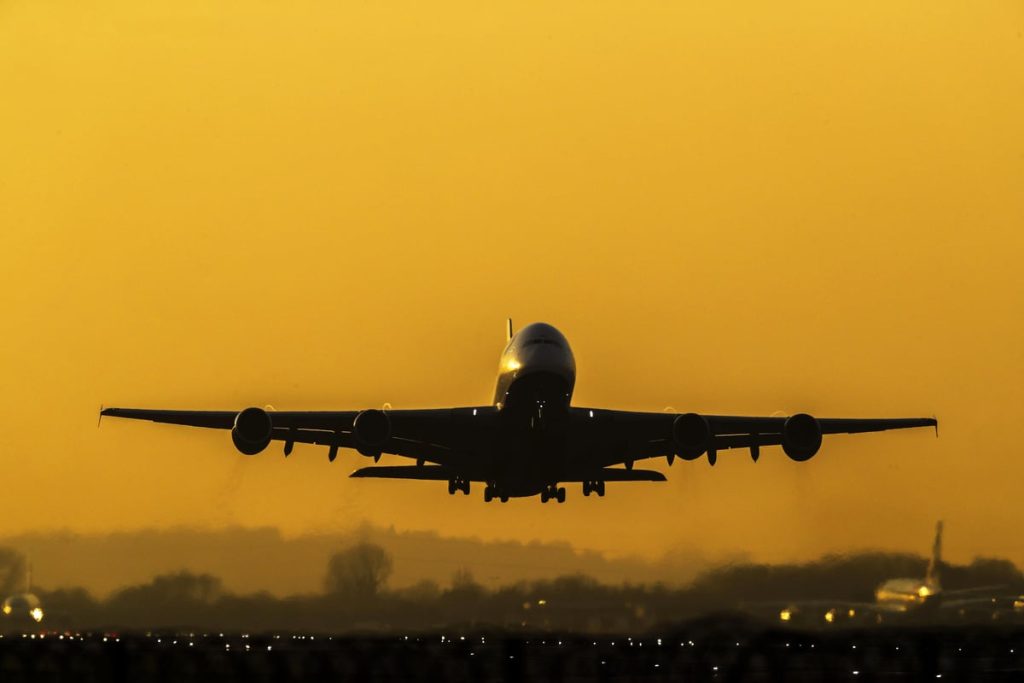
As the 2026 summer holiday season approaches, travellers across the United Kingdom are facing a shift in how they reach their destinations. With global geopolitical tensions—specifically the ongoing conflict involving Iran and the closure of the critical Strait of Hormuz—impacting international energy supplies, the UK government has introduced emergency measures to manage potential jet fuel shortages.
For families and holidaymakers, this means that the familiar rhythm of flight schedules is changing. Airlines are being granted new temporary powers to cancel or consolidate flights weeks in advance. While the government maintains that these measures are designed to provide “long-term certainty,” the news has sparked a significant debate regarding passenger rights and the reliability of summer travel plans.
The “Strait of Hormuz” Effect: Why Fuel Supplies Are at Risk
The current aviation crisis is not a result of domestic mismanagement but rather a consequence of global instability. The Strait of Hormuz serves as one of the world’s most vital maritime chokepoints. With the ongoing war between the US, Israel, and Iran, the closure of this route has severely restricted the flow of refined petroleum products—including the jet fuel that powers the global aviation industry.
Why Does This Affect UK Summer Travel?
Jet fuel is not just a commodity; it is the lifeblood of the travel industry. When supplies tighten, costs soar, and availability becomes unpredictable. By allowing airlines to plan for these shortages, the Department for Transport (DfT) hopes to avoid the chaotic, last-minute cancellations that plagued airports in previous years.
Transport Secretary Heidi Alexander has emphasized that there are no immediate local supply issues. However, the government is taking a “precautionary approach” to ensure that the aviation sector remains functional during the peak summer months, even if global supply chains remain fractured.
Understanding the New “Consolidation” Rules
The core of the new legislation allows airlines to act with greater flexibility. Under normal circumstances, airlines are strictly regulated regarding their take-off and landing slots at congested UK airports. If they cancel too many flights, they risk losing these valuable slots.
What Changes for Passengers?
Under the temporary 2026 rules, the regulatory landscape has shifted to allow for the following:
Early Cancellation Flexibility: Airlines can cancel flights weeks in advance without the threat of losing their airport slots.
Flight Consolidation: On high-frequency routes—where an airline might fly to the same destination multiple times a day—carriers can merge passengers from two or three half-empty flights onto a single, fuller aircraft.
Proactive Scheduling: The goal is to move passengers onto alternative flights well ahead of time, rather than informing them at the departure gate that their flight has been grounded.
The DfT argues that this “consolidated” approach reduces fuel waste and helps airlines maintain a skeleton schedule that is actually sustainable given the current fuel constraints.
The Controversy: Passenger Rights vs. Airline Efficiency
Not everyone is supportive of these changes. Critics, including the Conservative opposition and consumer advocacy groups like Which?, have raised concerns about the potential for “herding” passengers and the erosion of consumer rights.
The “Herding” Concern
Shadow transport secretary Richard Holden has been vocal in his criticism, suggesting that these rules allow airlines to prioritize their own operational convenience over the needs of families. The fear is that passengers may be moved to less convenient flight times or different routes at the airline’s choosing, potentially turning a smooth holiday start into a logistical headache.
Will Passengers Foot the Bill?
Which? Travel editor Rory Boland has issued a stern warning: the rules must not be “bent in favour of airlines.” Currently, existing regulations require airlines to provide at least 14 days’ notice for a cancellation to avoid paying standard compensation. If airlines use these new powers to consolidate flights as a loophole to avoid compensation, the consumer will be the one losing out.
Passengers are advised to:
- Check Booking Terms: Review the specific cancellation policy of your airline.
- Monitor Status Updates: Keep a close eye on your flight status, even if you booked months ago.
- Know Your Rights: Remember that if an airline cancels your flight and cannot offer a suitable alternative, you are legally entitled to a full refund.
How to Protect Your Summer Holiday
While the headlines regarding jet fuel shortages may sound alarming, experts suggest that travellers should not panic. The majority of flights are expected to operate as planned, and the government’s intervention is specifically designed to manage the “worst-case” scenarios of fuel scarcity.
Top Tips for Summer 2026 Travellers:
Book Direct where possible: Connecting flights are inherently more susceptible to disruption. If your first leg is consolidated or delayed, it can create a domino effect for your entire itinerary.
Travel Insurance is Essential: Ensure your policy covers “disruption” and “cancellation due to airline insolvency or rescheduling.” Not all standard policies cover these specific scenarios in 2026.
Stay Informed: Sign up for flight alerts directly through your airline’s app or website. Real-time updates are your best defence against sudden changes.
The Road Ahead: Energy Security and Aviation
This situation highlights a deeper issue regarding the UK’s energy security. As the shadow transport secretary noted, the nation is currently exposed to supply risks that an energy-secure country might avoid. While the government focuses on the immediate “fix” of flight consolidation, there is a growing national conversation about diversifying aviation fuel sources and reducing dependency on volatile international shipping routes like the Strait of Hormuz.
For now, the aviation industry remains in a state of high alert. Whether these measures will successfully prevent the “summer of chaos” remains to be seen. However, by allowing airlines to adjust their schedules early, the government is banking on the idea that a planned cancellation is significantly better than a last-minute disruption.
As we move through the summer of 2026, the priority for the UK Department for Transport is to maintain connectivity while managing a global fuel crisis. For the average traveller, the best advice remains simple: prepare for potential changes, keep your documentation organized, and stay flexible with your travel dates.