Zack Polanski’s “Trauma” Defense: The Controversy Behind the Golders Green Police Criticism

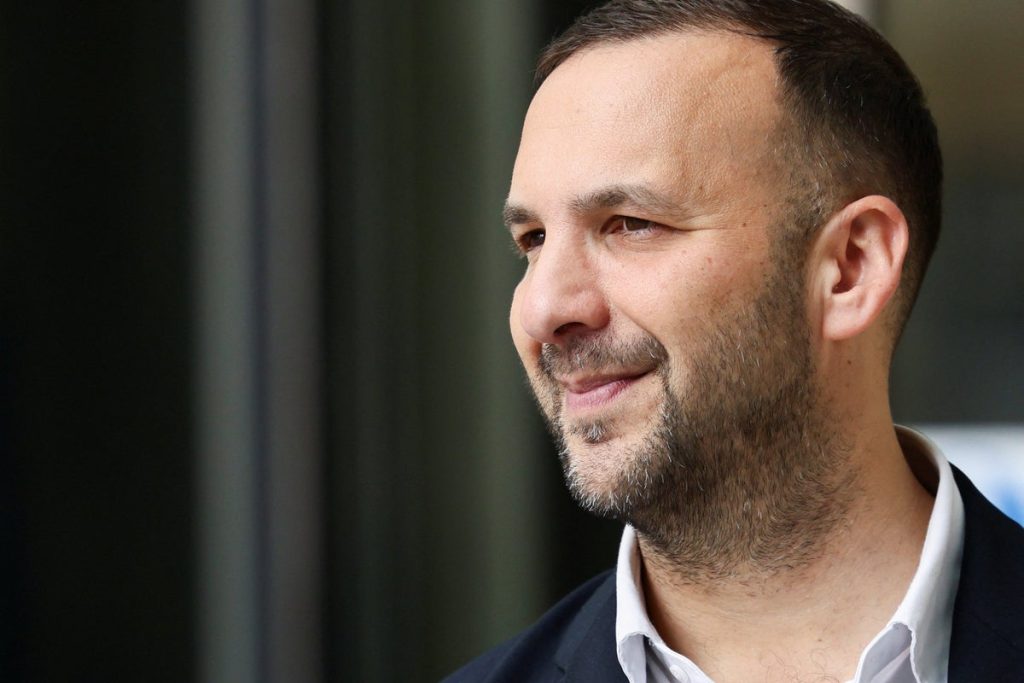
The intersection of high-stakes politics and social media reactivity has once again created a firestorm in the United Kingdom. In 2026, the spotlight remains firmly fixed on Green Party leader Zack Polanski, who has faced intense scrutiny for his decision to share inflammatory social media content regarding the Metropolitan Police’s response to a terror attack in Golders Green.
As the dust settles on the initial outcry, Polanski has attempted to explain his actions by citing personal “trauma.” However, this explanation has done little to quell the backlash from political rivals and law enforcement officials alike. This article explores the complexities of the incident, the subsequent fallout, and the broader implications for political accountability in an era of instant digital communication.
The Incident: A Retweet Under Fire
The controversy began when Zack Polanski shared a post on X (formerly Twitter) that leveled severe accusations against Metropolitan Police officers. The original post alleged that officers detained a suspect involved in the Golders Green terror attack by “repeatedly and violently kicking a mentally ill man in the head” while he was already incapacitated by a Taser.
The implications of such a claim are significant. By endorsing this narrative, the leader of a major political party appeared to cast doubt on the conduct of frontline officers during a high-pressure, life-threatening situation. The backlash was immediate and bipartisan, with figures across the political spectrum—including Sir Keir Starmer—labeling the move as “disgraceful” and questioning Polanski’s fitness for leadership.
Trauma as a Defense: A Valid Explanation or Political Evasion?
During interviews on Sky News and the BBC, Polanski addressed the controversy head-on. He admitted that the content he shared was “inaccurate,” but framed his decision to share it as a byproduct of his own psychological state.
“I found the attack very traumatic, especially as a Jewish person,” Polanski explained, noting that the graphic nature of the footage circulating online exacerbated his distress.
Does Trauma Excuse Misinformation?
While personal trauma is a powerful human experience, critics argue that political leaders are held to a higher standard of verification. The primary concern raised by commentators is that a leader’s impulse to share unverified content—regardless of their emotional state—can have a “chilling effect” on public confidence in the police. By acknowledging that his actions were a mistake but failing to fully retract his underlying concerns, Polanski has found himself in a precarious position where his apology is viewed as incomplete by his detractors.
The Row with Commissioner Sir Mark Rowley
Perhaps the most significant aspect of this unfolding saga is the direct confrontation between Polanski and Metropolitan Police Commissioner Sir Mark Rowley. Following the post, Sir Mark took the rare step of issuing an open letter condemning the Green Party leader’s actions.
The Commissioner argued that the dissemination of such “misinformed” content undermines the force and compromises the trust required for officers to perform their duties effectively. In response, Polanski pushed back, suggesting that the use of an open letter by the Commissioner was “inappropriate” during an active election campaign.

The Debate Over Scrutiny
Polanski maintains that “everyone who works in public service should not be above scrutiny.” He argues that even in the face of bravery, police actions must remain proportionate. While this is a foundational principle of democratic oversight, the method of scrutiny has become the central point of contention.
The Police Perspective: Leadership must protect officers from unfounded, viral allegations that could endanger their careers or public safety.
The Political Perspective: Elected officials have a duty to question state power, even when that power is exercised by emergency services.
Internal Party Tensions
The fallout has not been limited to external critics; Polanski has also faced pressure from within his own party. While Green Party leadership has largely navigated the incident with caution, figures like Welsh leader Anthony Slaughter and deputy leader Rachel Millward have had to address the elephant in the room.
Millward, in particular, sought to distance the party from the sentiment of the retweet, emphasizing her gratitude for the “brave” and “well-trained” emergency service response. This internal dissonance highlights the difficulty political parties face when a leader acts as an individual on social media while representing a broader collective ideology.
Lessons for the Digital Political Era
The controversy surrounding Zack Polanski serves as a case study for the risks of modern political communication. In 2026, where the speed of information often outpaces the verification process, public figures are increasingly vulnerable to “impulse posting.”
Key Takeaways:
- Verification is Paramount: Leaders carry the weight of their office in every click. The expectation for accuracy is non-negotiable.
- The Limits of Personal Narrative: Using personal trauma to explain public errors is a delicate strategy. It may foster empathy in some, but it often invites skepticism regarding a leader’s professional judgment.
- Institutional Integrity: The conflict between political accountability and institutional support for the police remains a flashpoint that can define election cycles.
Conclusion: Looking Ahead
As the political discourse continues to evolve, the case of Zack Polanski and his criticism of the Golders Green police response will likely be remembered as a pivotal moment regarding the responsibilities of digital leadership. While Polanski has expressed a desire to move the conversation from social media platforms to direct dialogue with the Commissioner, the damage to his public standing and the strained relationship with the Metropolitan Police may take significant effort to repair.
Ultimately, the incident underscores a vital lesson for all public figures: in the age of viral content, intent does not always mitigate impact. Accountability, transparency, and a commitment to verified information must remain the pillars of political engagement, even when the pressure of the moment is at its peak.