Tragedy at Sea: What You Need to Know About the Suspected Hantavirus Outbreak on the MV Hondius

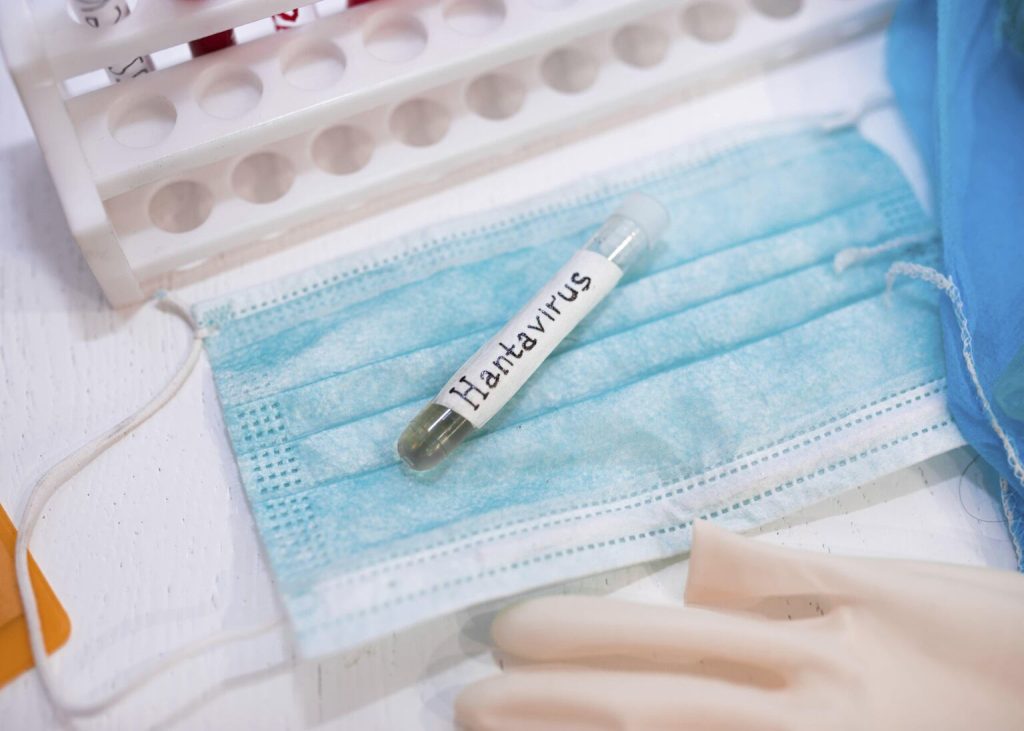
The maritime world is in a state of high alert following reports of a deadly health crisis aboard the MV Hondius, a Dutch-flagged cruise ship currently navigating the Atlantic. The World Health Organization (WHO) has confirmed that at least three people have died and several others are suffering from severe respiratory illness in what is suspected to be an outbreak of hantavirus.
As the vessel remains docked in Praia, the capital of Cape Verde, international health agencies are scrambling to contain the spread of the pathogen. With investigations ongoing and global travel protocols under scrutiny, this incident serves as a grim reminder of the vulnerabilities inherent in closed-environment travel.
The Outbreak: Timeline and Current Status
The situation began to unfold as the MV Hondius sailed from Argentina toward West Africa. According to reports from South African health officials and the WHO, the ship experienced a cluster of severe respiratory cases that necessitated emergency medical intervention.
The human toll has been heavy. Among the deceased is an elderly man who passed away while still at sea, followed shortly by his wife, who succumbed to the illness after being transported to a hospital in South Africa. The WHO has confirmed that at least one case of hantavirus infection has been verified through laboratory testing, while five other cases remain under intense investigation.
“Medical care and support are being provided to passengers and crew,” a WHO spokesperson stated. “Detailed investigations are ongoing, including further laboratory testing and epidemiological analysis.” One British national is currently reported to be in intensive care in Johannesburg, highlighting the severity of the symptoms being observed.
Understanding Hantavirus: Why It Is a Concern
Hantavirus is not a disease typically associated with modern cruise travel, which is why this outbreak has caught the global medical community by surprise. Unlike airborne viruses like influenza or COVID-19, hantavirus is primarily a zoonotic disease.
How is Hantavirus Transmitted?
Rodent Contact: The virus is primarily spread to humans through contact with the urine, feces, or saliva of infected rodents.
Inhalation: When these excretions dry, the virus can become aerosolized. If the dust is inhaled, it can lead to severe pulmonary complications.
Human-to-Human Transmission: While rare, the WHO has noted that human-to-human transmission is a possibility that they are currently monitoring with high priority.
The presence of this virus on a ship suggests a potential breach in sanitary protocols or the unintended presence of a rodent population on board. Experts are currently conducting sequencing of the virus to determine its specific strain and origin, which will be vital in preventing further transmission.
The Medical Challenge: No Known Cure
One of the most alarming aspects of this outbreak is the lack of a specific cure. Hantavirus infections can progress rapidly into Hantavirus Pulmonary Syndrome (HPS), a condition that causes fluid to fill the lungs, leading to respiratory failure.
Key Symptoms to Monitor
High fever and muscle aches.
Persistent, dry cough.
Shortness of breath (the primary indicator of HPS).
Fatigue and gastrointestinal distress.
“There is no specific treatment or cure for hantavirus,” health experts note. “Early medical attention, including mechanical ventilation and oxygen support, is the only way to increase the chances of survival.” The urgency of the evacuations from the MV Hondius underscores the critical nature of these symptoms.
Cruise Safety and Global Health Protocols
The MV Hondius incident has sparked a necessary conversation regarding the biosecurity of cruise ships. As vessels spend weeks at sea, they become self-contained ecosystems. If a pathogen enters this environment—whether through food supplies, cargo, or stowaway rodents—the risk of rapid spread is significantly higher than in traditional land-based settings.
Lessons from the 2026 Outbreak
- Strict Vector Control: Cruise lines must implement more rigorous pest control measures, particularly for ships traveling long distances between continents.
- Rapid Diagnostic Capabilities: The speed at which the WHO identified the virus is a testament to modern diagnostic advancements, but the delay in initial containment highlights the need for better on-board screening.
- Cross-Border Collaboration: The coordination between the MV Hondius, South African health authorities, and the UN’s health agency shows how critical international cooperation is during a maritime health emergency.
Contextualizing the Risk
While this outbreak is tragic, it is important to remember that hantavirus is not a common cruise-line hazard. The public consciousness was recently heightened regarding this virus following the passing of Betsy Arakawa, wife of actor Gene Hackman, last year. Her death, followed by Hackman’s own passing shortly thereafter, brought the reality of environmental hantavirus exposure into the spotlight.
The situation on the MV Hondius is being treated as a high-priority event. As the ship remains stationary in Praia, authorities are focusing on the safety of the remaining passengers and crew. Further updates are expected as laboratory results confirm the scope of the exposure.
Conclusion
The suspected hantavirus outbreak on the MV Hondius* is a devastating reminder of the unpredictable nature of global health. As the international community watches this situation unfold, the focus remains on providing care to those affected and preventing the virus from spreading further.
For travelers, this incident highlights the importance of staying informed and choosing reputable cruise lines that prioritize stringent hygiene and medical safety. We will continue to provide updates as more information becomes available regarding the investigation and the health status of those currently in treatment.