‘I Was Devastated’: Spirit Airlines Ceases Operations, Leaving Thousands of Travelers Stranded

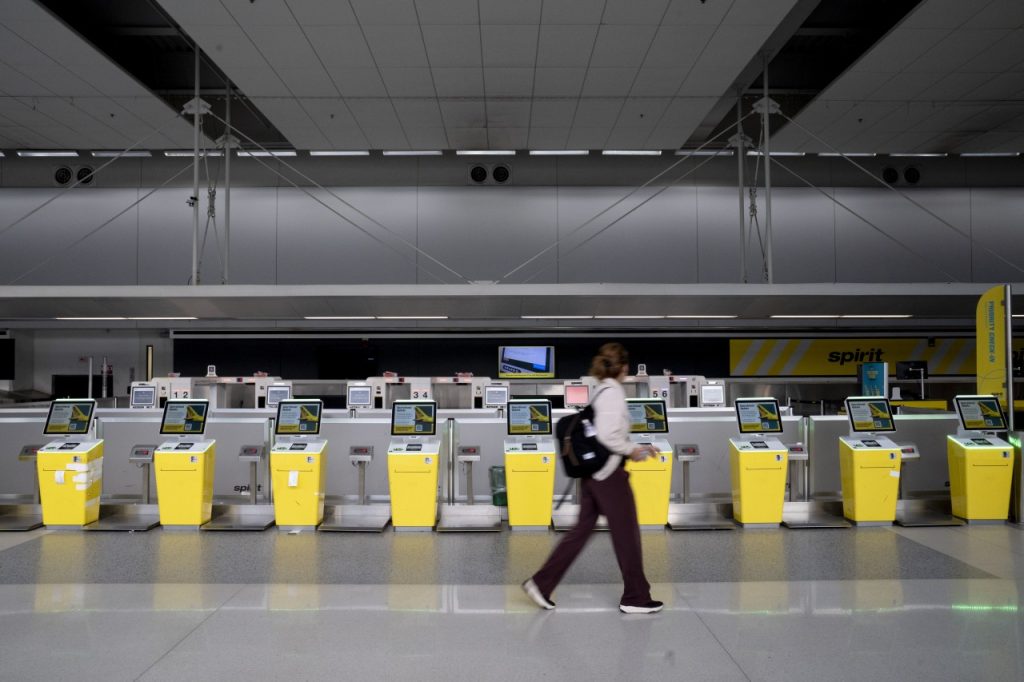
The landscape of American aviation changed forever this weekend. As the sun rose on Saturday, the bright yellow fleet that once defined the “ultra-low-cost” travel revolution was grounded permanently. Spirit Airlines, a pioneer in the budget carrier space, ceased all operations, leaving thousands of passengers stranded, vacation plans in disarray, and an industry scrambling to fill the void.
For travelers like Tyree Vance, who arrived at New York’s LaGuardia Airport expecting to head to his brother’s graduation, the news was a gut punch. “I don’t have money sitting around,” Vance said, echoing the frustration of thousands. “I was devastated. I damn near wanted to cry.”
The Final Descent: How the Shutdown Unfolded
The collapse of Spirit Airlines was not a slow fade but a sudden cessation. By the early hours of Saturday morning, the carrier—which had battled years of financial turbulence—officially pulled the plug. The final flight, Spirit 1833, touched down in Dallas-Fort Worth after midnight, marking the end of a 34-year legacy.
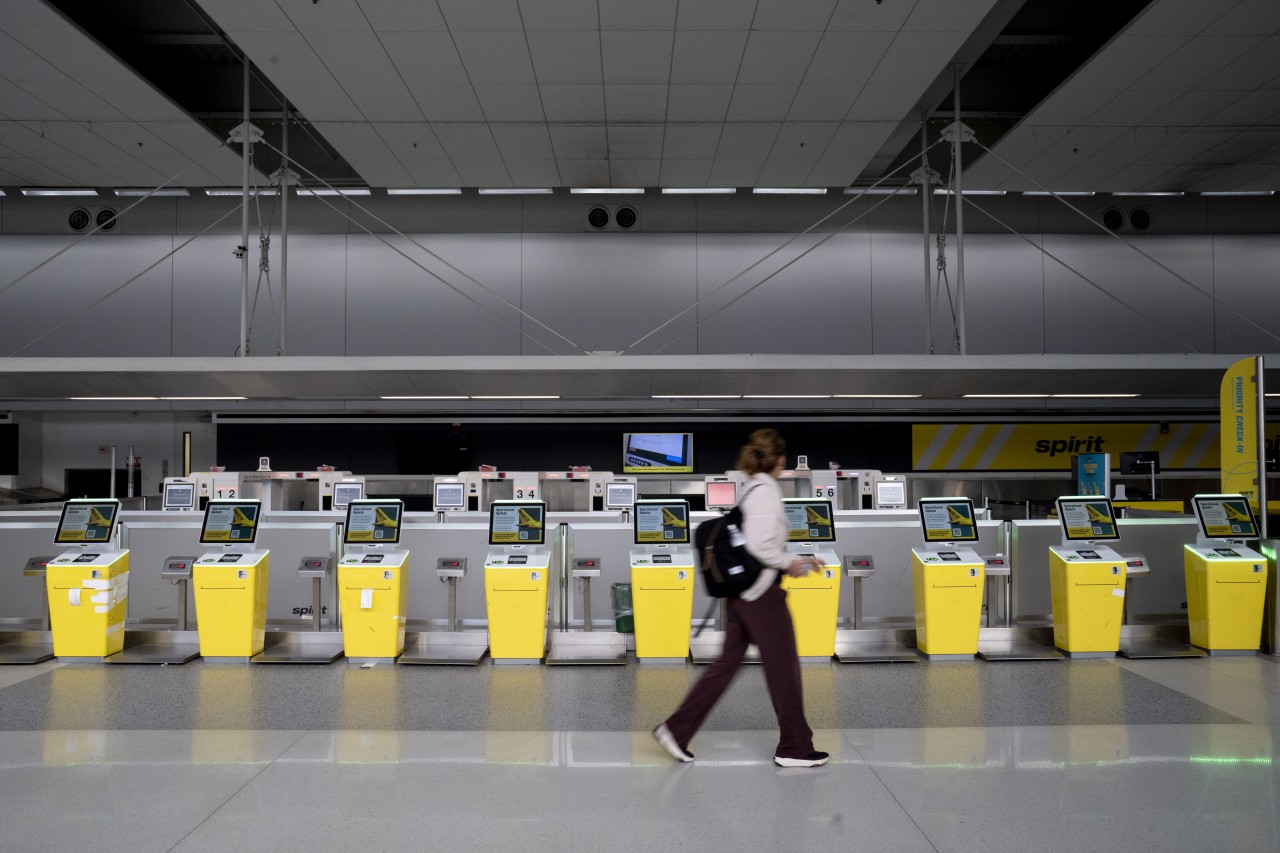
Airports across the United States, particularly the Marine Air Terminal at LaGuardia, became hubs of confusion. Employees who once facilitated check-ins found themselves directing bewildered passengers to other terminals or, more often, to the exits. The kiosks, once buzzing with the activity of budget-conscious travelers, displayed only final, somber goodbye messages.
Why Did Spirit Airlines Fail?
While Spirit once revolutionized the industry with its “bare fare” model, the company found itself unable to navigate the economic pressures of 2026. Experts point to a “perfect storm” of factors that led to this liquidation:
Skyrocketing Fuel Costs: The geopolitical instability and the ongoing conflict involving Iran led to an unprecedented spike in global jet fuel prices. For an airline operating on thin margins, these costs were insurmountable.
Financial Instability: This was the airline’s second bankruptcy filing in two years. The debt load had become too heavy to carry, even with the brand’s loyal customer base.
- Competitive Pressure: As legacy carriers adopted “basic economy” pricing, Spirit’s unique selling proposition—rock-bottom prices—began to lose its competitive edge.
A National Response to the Crisis
Transportation Secretary Sean Duffy held an emergency press conference on Saturday to address the fallout. The government’s priority is to stabilize the travel market and prevent price gouging by remaining carriers.
“We are monitoring the situation closely to ensure that passengers are not taken advantage of during this transition,” Secretary Duffy stated. Several major airlines have already stepped up, pledging to cap prices for stranded Spirit customers and to honor travel itineraries where possible. However, the reality for many is a significant out-of-pocket expense.
What Stranded Passengers Need to Do
If you have a ticket booked for a future date, the situation is evolving rapidly. Here is your current checklist:
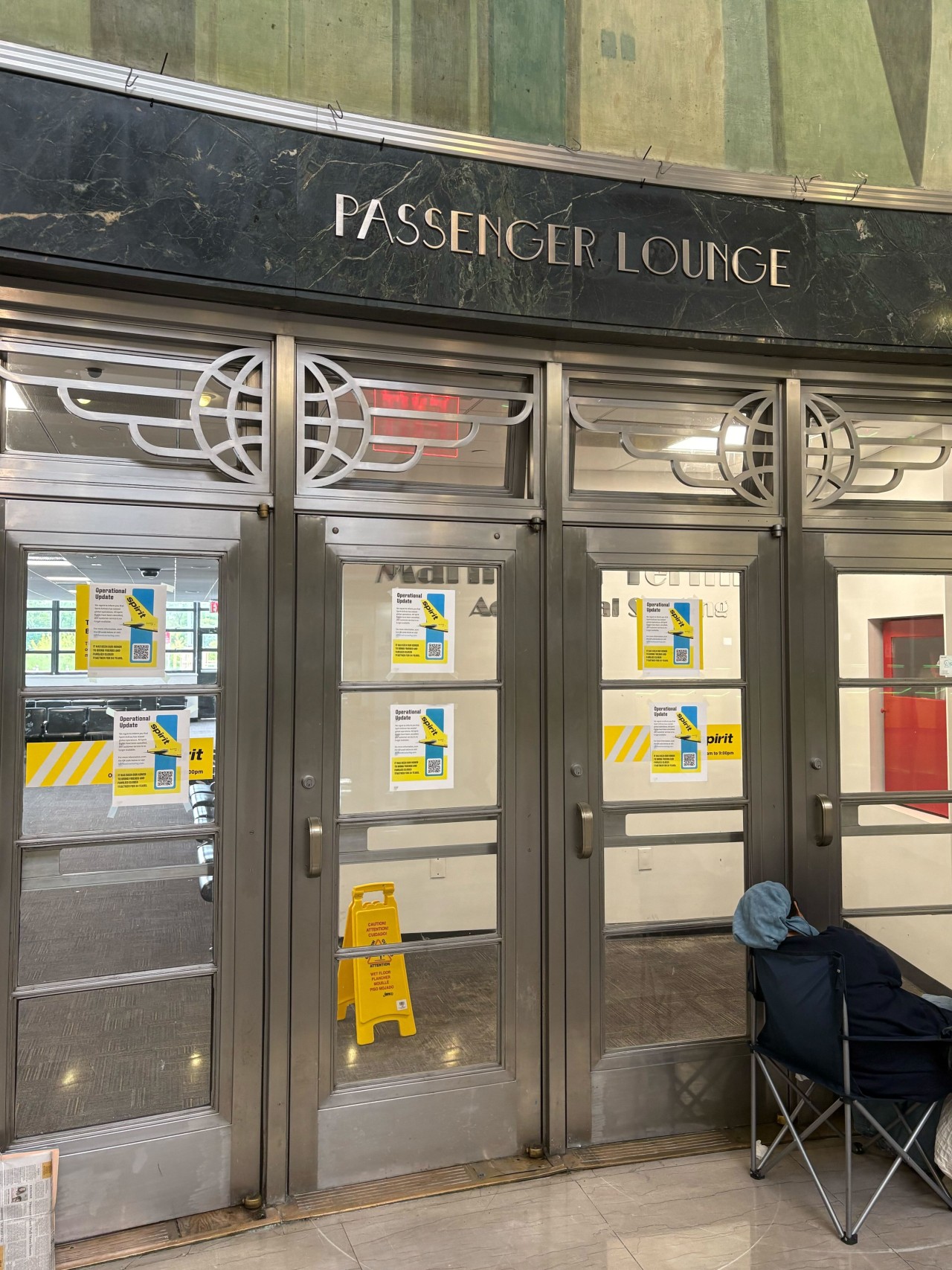
- Do Not Head to the Airport: Spirit’s website is currently redirecting to a shutdown landing page. If your flight is canceled, there are no agents at the terminal to assist you.
- Monitor Your Email: Expect communication regarding refunds. While the liquidation process is complex, passengers are generally entitled to refunds for flights that were canceled by the airline.
- Check for “Rescue Fares”: Several airlines are offering special, lower-priced fares for those who can prove they held a confirmed Spirit reservation. Keep your booking reference number and original receipt handy.
- Contact Your Credit Card Issuer: If you booked using a travel credit card, you may have “trip interruption” or “trip cancellation” insurance that can cover the difference in cost for a new flight.
The Human Cost: Employees and Loyalists
Beyond the passengers, 17,000 employees now face an uncertain future. Pilots, flight attendants, and ground staff—the backbone of the airline—are reeling from the sudden loss of their livelihoods. Unions, including the International Association of Machinists and Aerospace Workers, have demanded that Spirit prioritize back pay and severance packages, asserting that workers should not be the last in line during a corporate liquidation.
For loyal customers like Danielle Rivera, the loss is personal. “I started flying Spirit almost 20 years ago,” she shared. “It started with saving money, but I just loved the culture. I liked rooting for the underdog.” The end of Spirit represents more than just the loss of a budget option; it marks the disappearance of a brand that brought a distinct, albeit sometimes controversial, personality to the skies.
The Future of Low-Cost Travel
The industry is now in a period of rapid adjustment. Analysts suggest that the void left by Spirit will likely be filled by larger carriers expanding their low-fare sub-brands. However, the days of the $29 transcontinental ticket may become increasingly rare.
The collapse serves as a stark reminder of the volatility of the modern aviation market. As travelers navigate this new reality, the advice from industry experts is simple: prioritize flexibility, consider travel insurance, and always have a backup plan when booking with smaller, high-risk carriers.
Conclusion: Lessons Learned
The shutdown of Spirit Airlines is a significant chapter in aviation history, marking the end of a model that forced the entire industry to rethink its pricing structures. While the immediate aftermath is defined by chaos and frustration, the long-term impact will likely be a more consolidated, albeit potentially more expensive, travel market.
For those currently stranded, the path forward is difficult. Take a deep breath, keep your receipts, and leverage the “rescue fares” offered by competitors. As we move forward, the memory of those bright yellow planes serves as a reminder to always travel prepared.