Northern Ireland Security Alert: Man Charged with Attempted Murder After Dunmurry Police Station Car Bomb

The security landscape in Northern Ireland remains a point of intense focus as authorities work to dismantle dissident republican activity. In a significant development for regional safety, a 66-year-old man has been formally charged with multiple serious offences, including attempted murder, following a brazen car bomb attack outside a police station near Belfast.
As we look at the security climate in 2026, this incident serves as a stark reminder of the persistent threats posed by paramilitary remnants. The legal proceedings against the accused have brought the Dunmurry incident back into the public eye, highlighting the ongoing efforts by the Police Service of Northern Ireland (PSNI) to maintain stability in the region.
The Incident: A Targeted Attack in Dunmurry
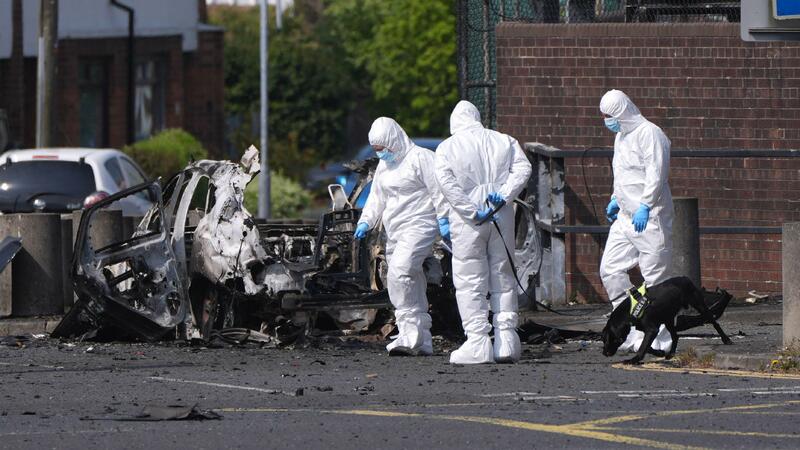
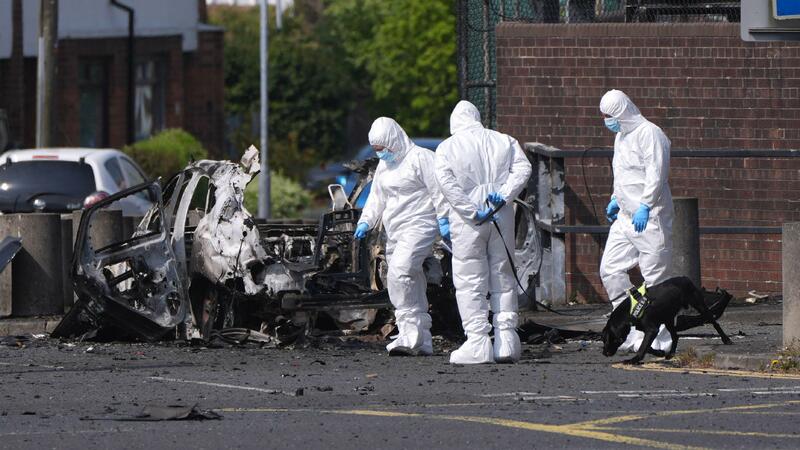
The event, which sent shockwaves through the local community, involved a hijacked delivery vehicle being positioned outside the Dunmurry police station. The detonation occurred while residents were being evacuated from nearby homes, an act that investigators have described as a reckless disregard for human life.
The Security Breach
The attack was reportedly claimed by dissident republican elements, specifically the New IRA. The strategy involved hijacking a delivery vehicle, turning it into an improvised explosive device, and placing it in a high-density area. The timing of the explosion—occurring while families, including young children, were being moved to safety—turned a targeted attack on law enforcement into a broader threat against the civilian population.
Police Response and Investigation
The PSNI launched an “extensive” and methodical investigation immediately following the blast. Forensic teams scoured the scene for evidence, while intelligence officers traced the movements of the vehicle. The arrest of the suspect, Kieran Smyth, 66, of Beechmount Avenue, Belfast, was the result of a targeted operation under the Terrorism Act.
Legal Proceedings: Charges and Court Appearances
Kieran Smyth appeared before the Lisburn Magistrates’ Court to face a total of five serious charges. The legal gravity of the situation is reflected in the nature of the accusations brought forward by the Public Prosecution Service.
The Five Key Charges
The accused faces a suite of charges that underline the severity of the alleged involvement:
- Attempted murder of persons unknown.
- Compelling a person to use a vehicle for an unlawful purpose (hijacking).
- Possession of explosives with the intent to endanger life or cause serious injury to property.
- Possession of articles (specifically a SIM card and mobile phone) for use in an act of terrorism.
- Causing an explosion likely to endanger life or cause serious injury to property.
During the court session, a senior detective provided a “truncated” overview of the evidence gathered thus far. Given the complexity of the case and the nature of the charges, there was no application for bail, and the defendant remains in custody. The court granted an application for legal aid, ensuring the defendant has representation as the case moves toward future hearings.
The Broader Context: Dissident Republican Activity in 2026
While Northern Ireland has enjoyed decades of relative peace since the Good Friday Agreement, the threat from dissident groups remains a persistent challenge for security services. These groups, while lacking the widespread support of the past, continue to utilize sporadic violence to signal their presence and disrupt the peace process.
Why Target Police Stations?
Historically, police stations in Northern Ireland have been symbolic targets for paramilitaries. By attacking these facilities, groups like the New IRA attempt to force a heavy-handed security response, hoping to polarize the community and destabilize the local government. However, the coordinated response from both the police and local community leaders has consistently demonstrated a collective rejection of this violence.
The Role of Technology in Terrorism
The charges against Smyth include the possession of a SIM card and phone for terrorist purposes. This highlights a modern evolution in how these groups operate. Digital footprint tracking, encryption, and the use of burner devices are now central to the PSNI’s counter-terrorism strategies. The investigation into this car bomb relied heavily on digital forensics, proving that the digital battlefield is just as critical as the physical one.
Understanding the Legal Hurdles
The legal process for high-profile terrorism cases is notoriously complex. When a defendant is denied bail, it is typically due to the risk of re-offending, the risk of interfering with the ongoing investigation, or the severity of the charges.
Bail and Legal Representation
In Northern Ireland, the right to a fair trial is paramount, even in the face of terrorism charges. The granting of legal aid ensures that the judicial process remains transparent and adheres to international human rights standards. As the case proceeds to the next hearing via videolink, the focus will shift to the disclosure of evidence and the preparation of the defense’s case.
Looking Ahead: The Court Schedule
The case is scheduled to return to the Lisburn Magistrates’ Court, where the defendant is expected to appear via videolink. This method has become increasingly common in 2026 for high-security cases, minimizing logistical risks and ensuring the efficiency of the court calendar.
Conclusion: Community Resilience and the Path to Justice
The car bomb attack in Dunmurry was a traumatic event for the local residents, but it also served to strengthen the resolve of the authorities to bring those responsible to justice. The swift identification and charging of a suspect demonstrate the effectiveness of modern intelligence-led policing in Northern Ireland.
As the legal proceedings against Kieran Smyth continue, the incident serves as a sobering reminder of the work that remains to be done in securing the peace. The commitment of the PSNI to investigating these acts thoroughly—and the court’s dedication to due process—remains the bedrock of a stable society. For now, the public awaits further developments, with the hope that justice will be served and that such acts of terror will continue to be isolated and neutralized.