Landmark Ruling: Cape Town’s Fixed Utility Charges Declared Unconstitutional and Invalid

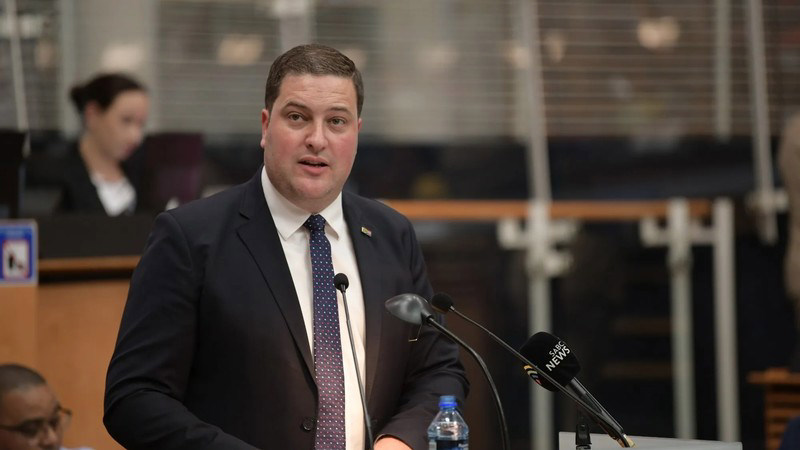
The landscape of municipal finance in South Africa has undergone a seismic shift as of 2026. In a landmark judgment delivered by the Western Cape High Court, the City of Cape Town’s controversial fixed charges for water, sanitation, and city-wide cleaning have been officially declared unlawful and invalid. This ruling, which mandates the setting aside of these charges effective from 30 June 2026, marks a significant victory for ratepayers and property owners who have long contended that these levies were improperly implemented.
The court’s decision follows a rigorous legal challenge spearheaded by the South African Property Owners Association (SAPOA) and AfriForum. By dismantling the legal basis for these charges, the judiciary has reasserted the constitutional limits on how municipalities may generate revenue, emphasizing that service fees must remain tethered to actual consumption rather than property-linked taxation.
The Legal Battle: A Clash of Constitutional Principles
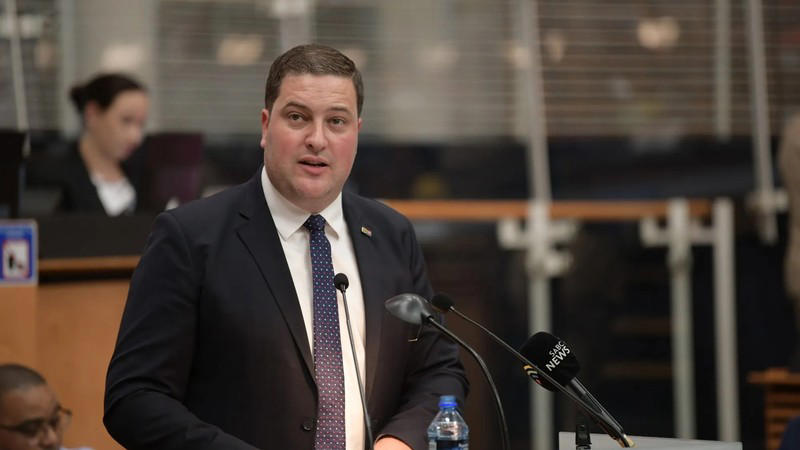
The legal conflict centered on the introduction of fixed utility charges on 1 July 2025. Both SAPOA and AfriForum argued that these charges were essentially “hidden taxes” masquerading as service fees. They maintained that the City, by basing these charges on property value bands, had effectively bypassed the stringent requirements for imposing property rates.
The Argument Against the City
The core of the applicants’ argument was that the City’s methodology violated Section 229 of the Constitution. The Constitution clearly defines that property rates must be calculated based on a “rate in the rand” applied to property value. Because the City used property value bands—a method distinct from standard rating policies—the applicants successfully argued that the municipality had moved into the territory of property taxation without following the necessary legal procedures, such as transparent public consultation and the adoption of a formal rates policy.
Furthermore, the applicants pointed out that the charges were subject to VAT. In South African law, property rates are exempt from VAT, whereas service fees are not. The inclusion of VAT on these fixed charges served as a self-defeating point for the City, inadvertently proving that the levies were not, in fact, property rates.
<img alt="How the Court functions" src="https://www.concourt.org.za/images/banners/V2WebBanner-042.jpg” style=”max-width:100%; height:auto; border-radius:8px; margin: 1rem 0;” />
Interpreting the Municipal Systems Act
The High Court’s ruling heavily leaned on the Municipal Systems Act, which governs how local governments must structure their tariffs. The presiding judges, Judge President Nolwazi Mabindla-Boqwana and Judge Katherine Savage, scrutinized the City’s reliance on Section 75A of the Act to justify the broad implementation of these levies.
The Court’s Verdict on Tariff Policy
The court explicitly rejected the City’s broad interpretation of its powers. While the City argued that Section 75A granted them the authority to levy “any” charge for municipal functions, the judges countered that this power is not “unbridled.”
Proportionality: The law requires that service fees must be in proportion to the use of the service.
Cost Reflectivity: Tariffs must reflect the actual costs reasonably associated with rendering the specific service.
- Integration: The court emphasized that Section 75A cannot be read in isolation; it must be aligned with the requirement that all tariffs be rooted in a transparent, council-adopted tariff policy.
The bench concluded that these fixed charges were not intended to cover the specific cost of water or sanitation service delivery, but rather functioned as a mechanism to fund broader infrastructural maintenance. This, the court ruled, is an unlawful application of service tariffs.
Implications for the 2026/2027 Financial Year
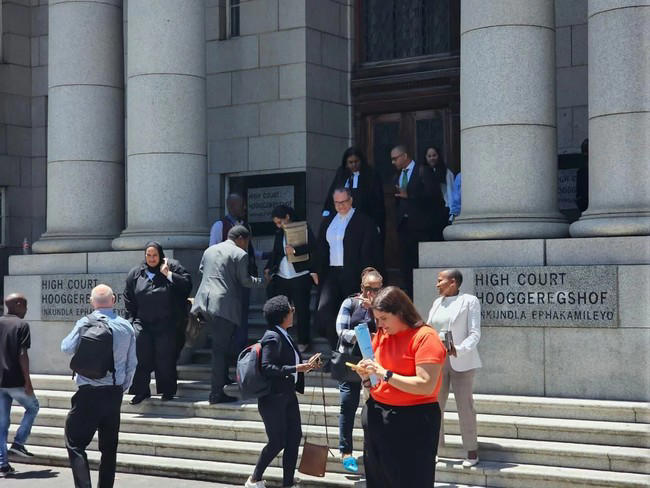
The immediate impact of the court’s order is that the City of Cape Town must cease these specific fixed charges by 30 June 2026. For the average resident and business owner, this means a significant restructuring of their monthly municipal invoices.
Financial Uncertainty for the Municipality
The City’s attempt to defend its position through a conditional counter-application—seeking to declare certain sections of the Municipal Systems Act invalid if they were found to be acting unlawfully—was dismissed by the court. The judges noted a “lack of logical connection” between the City’s counter-argument and the core issue at hand.
As a result, the City now faces a budgetary shortfall. The removal of these charges, which were intended to bolster infrastructure funding, leaves the municipal administration in a position where it must either find alternative, legally compliant revenue streams or significantly reduce its capital expenditure plans for the coming year.

The Broader Impact on South African Local Government
This judgment serves as a stern warning to other municipalities across South Africa. It reinforces the principle that local governments cannot use their utility billing systems as a “backdoor” for property taxation.
Key Lessons for Ratepayers
- Constitutional Protection: Residents have the legal right to challenge municipal levies that do not align with the constitutional mandate of “fair and reasonable” service pricing.
- Procedural Rigor: Municipalities are bound by the law to follow strict public participation and policy-making processes before imposing new taxes or levies.
- Transparency: The court has signaled that “broad” interpretations of municipal authority will be strictly curtailed when they infringe upon the financial rights of citizens.
Conclusion: A New Chapter for Fiscal Accountability
The Western Cape High Court’s ruling is a watershed moment for fiscal accountability in the Western Cape. By striking down the fixed charges, the court has safeguarded the rights of property owners and businesses, ensuring that municipal tariffs remain service-based and transparent.
As the City of Cape Town considers its next steps—including the possibility of an appeal—the residents of the metro can breathe a sigh of relief. This decision highlights the importance of an independent judiciary in checking the power of local government, ensuring that the burden of funding city infrastructure does not fall unfairly on the shoulders of the citizenry through unlawful, non-transparent billing practices.