“He Was the First to Call Me Mom”: The Heartbreaking Legacy of Nabil Askafe and Hamilton’s Gun Violence Crisis

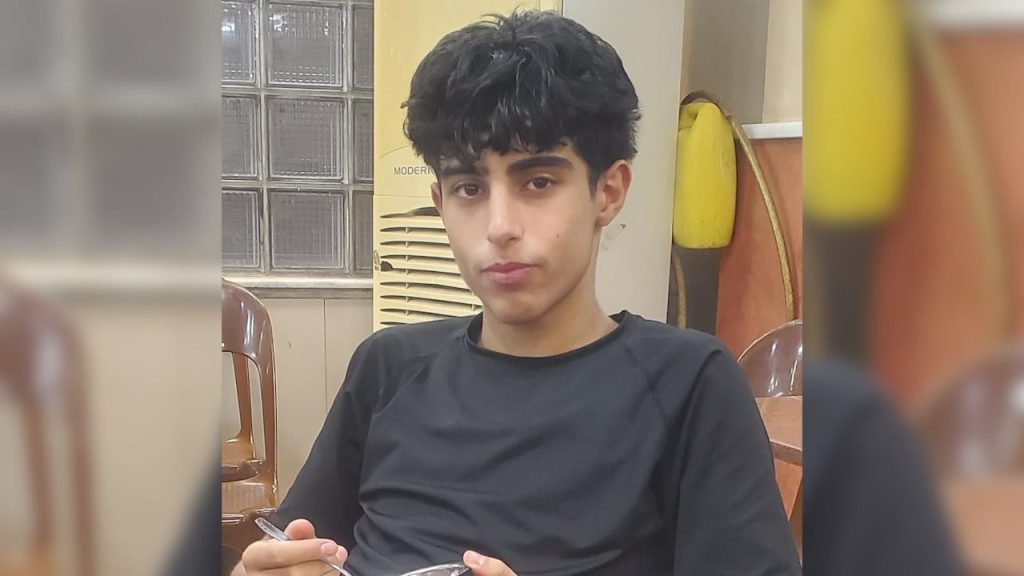
The promise of a new life in Canada, free from the ravages of war, was shattered for the Askafe family on a quiet Friday afternoon. For Hala Tatish and her husband, Mazen, the journey from Syria to Hamilton in 2016 was meant to be a path toward safety and opportunity for their four children, navigating the common refugee integration challenges with hope. Instead, it culminated in a tragedy that has left a community in mourning and a family in a state of permanent, agonizing limbo.
Nabil Askafe, a 16-year-old student at Westdale Secondary School, was killed in a shooting at the Jackson Square mall in downtown Hamilton, a stark reminder of the devastating consequences of teen violence. His death was not just the loss of a son; it was the extinguishing of a future filled with dreams of travel, law enforcement, and the simple milestones of growing up.
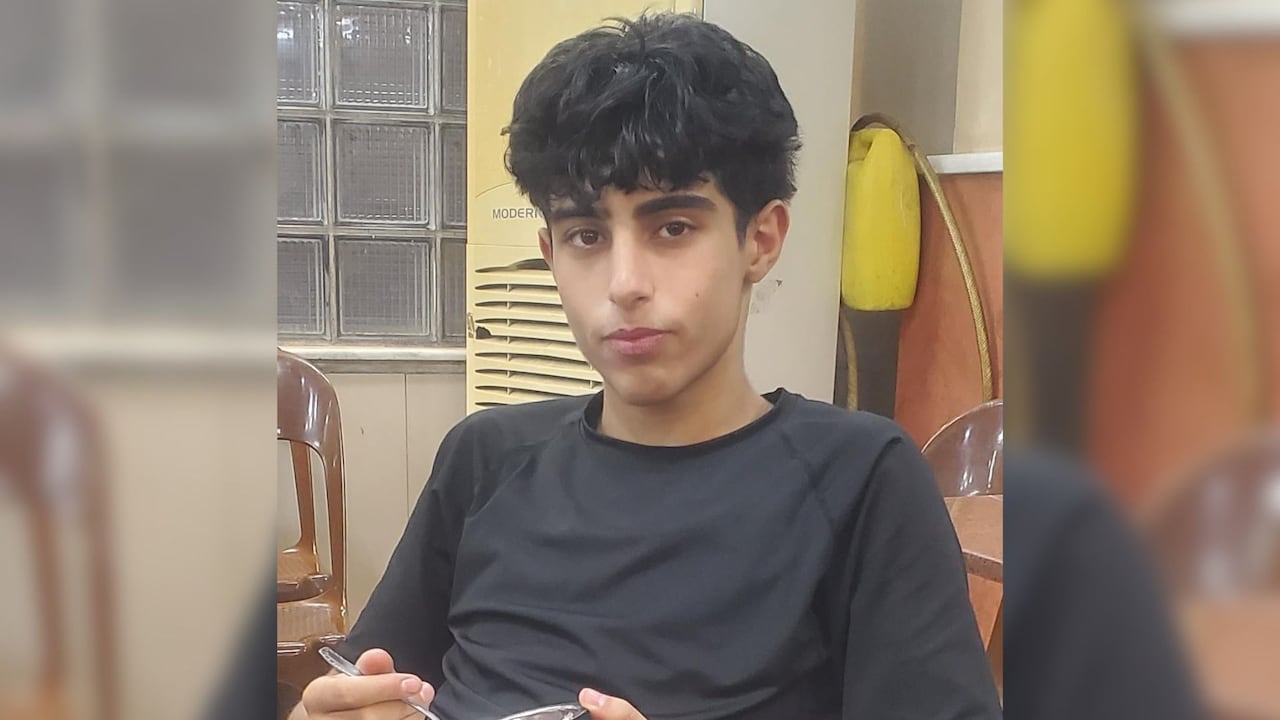
A Life Cut Short: The Last Goodbye
On the day of his death, Nabil had received a call from a friend. When his mother asked him to eat before heading out, he declined, promising he would be back soon. That mundane exchange—a typical interaction in any household—became the final memory of her son alive.
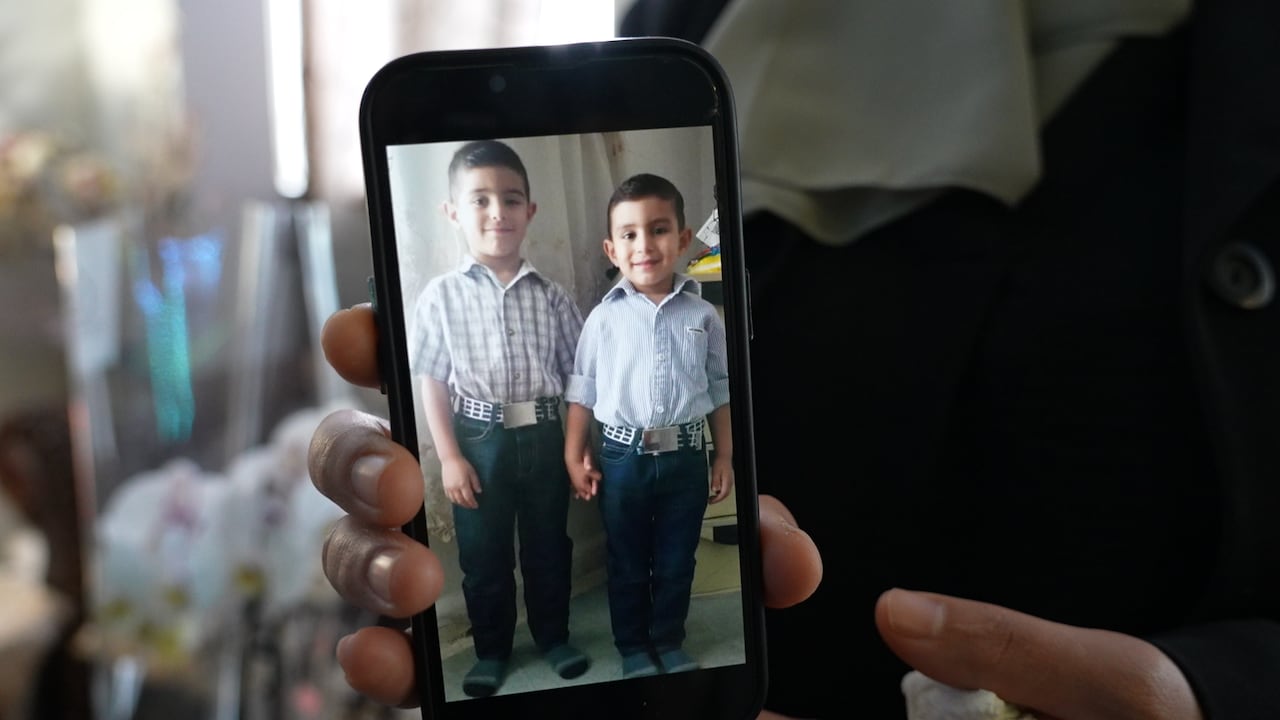
Askafe’s mother, Hala Tatish, struggles to process the reality of her loss, a profound example of the enduring impact of youth violence on families. “I always feel like he will knock on the door and he will come in,” she says, her voice trembling, highlighting the deep need for grief counseling and support. “He was my first happiness, he was the first to call me mom.”
The investigation into the shooting revealed a “small interaction” that escalated into a fatal confrontation. A 14-year-old suspect has since been charged with second-degree murder after turning himself in, bringing the case into the youth justice system, but for the Askafe family, the legal process offers little comfort. The weapon used in the crime remains missing, a chilling detail that adds to the family’s ongoing fear and sense of insecurity in their adopted home, underscoring the vital role of victim services support.
The Broader Impact: A Crisis of Safety in Hamilton
The tragedy of Nabil Askafe has forced a difficult conversation about youth violence and public safety in Hamilton, drawing attention to recent Hamilton crime statistics and the urgent need for gun violence prevention. The incident at Jackson Square was not an isolated event; a separate shooting near City Hall on the same day claimed the life of a 19-year-old, further highlighting the volatility of the city’s streets.
The Parental Perspective on Urban Safety
For parents like Hala and Mazen, the feeling of safety they sought when leaving Syria has been replaced by a pervasive “state of panic.” Tatish admits she is now terrified to let her younger children attend school or kindergarten, fearing that despite existing school safety protocols, the same violence that claimed her eldest could strike again.
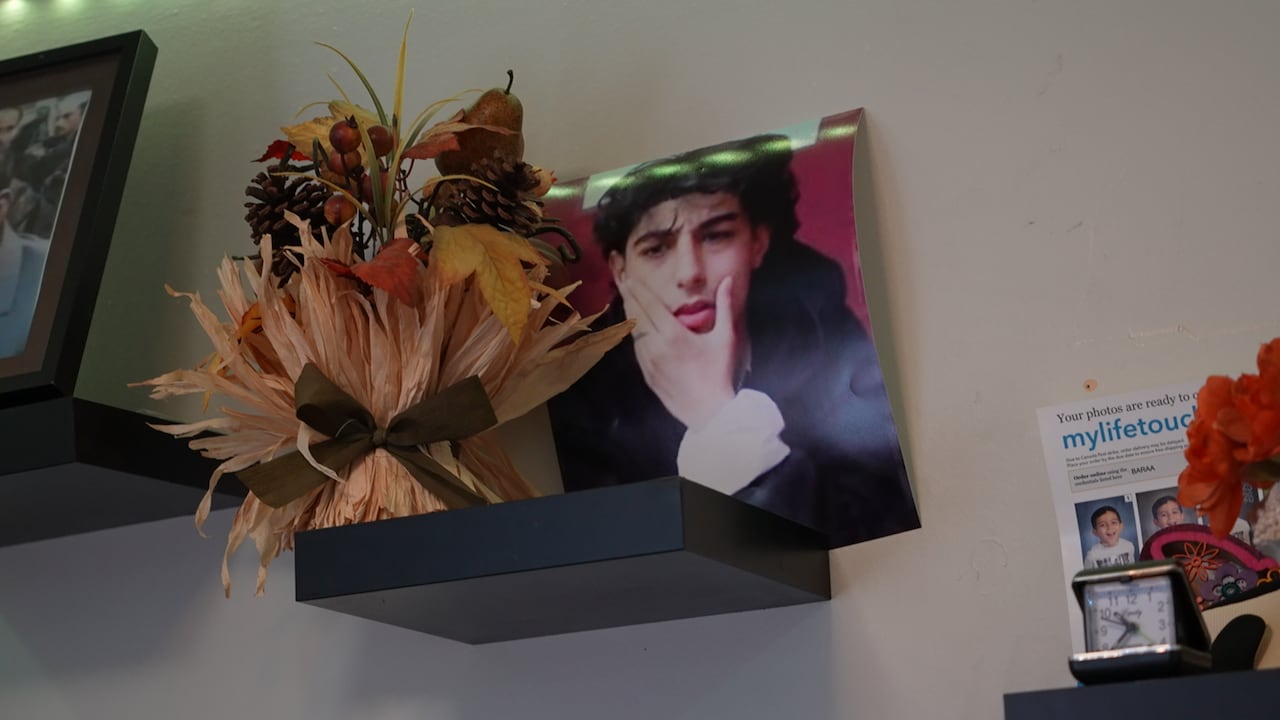
Mazen Askafe has become a vocal advocate for systemic change. “Nabil passed away, but after him, we don’t want this to happen again,” he stated. The family is calling on lawmakers to address the prevalence of weapons among youth, advocating for stronger community safety programs and questioning how a shopping center—a space intended for community and commerce—could become a site of such senseless bloodshed.
The Community Response: Mourning a Young Life
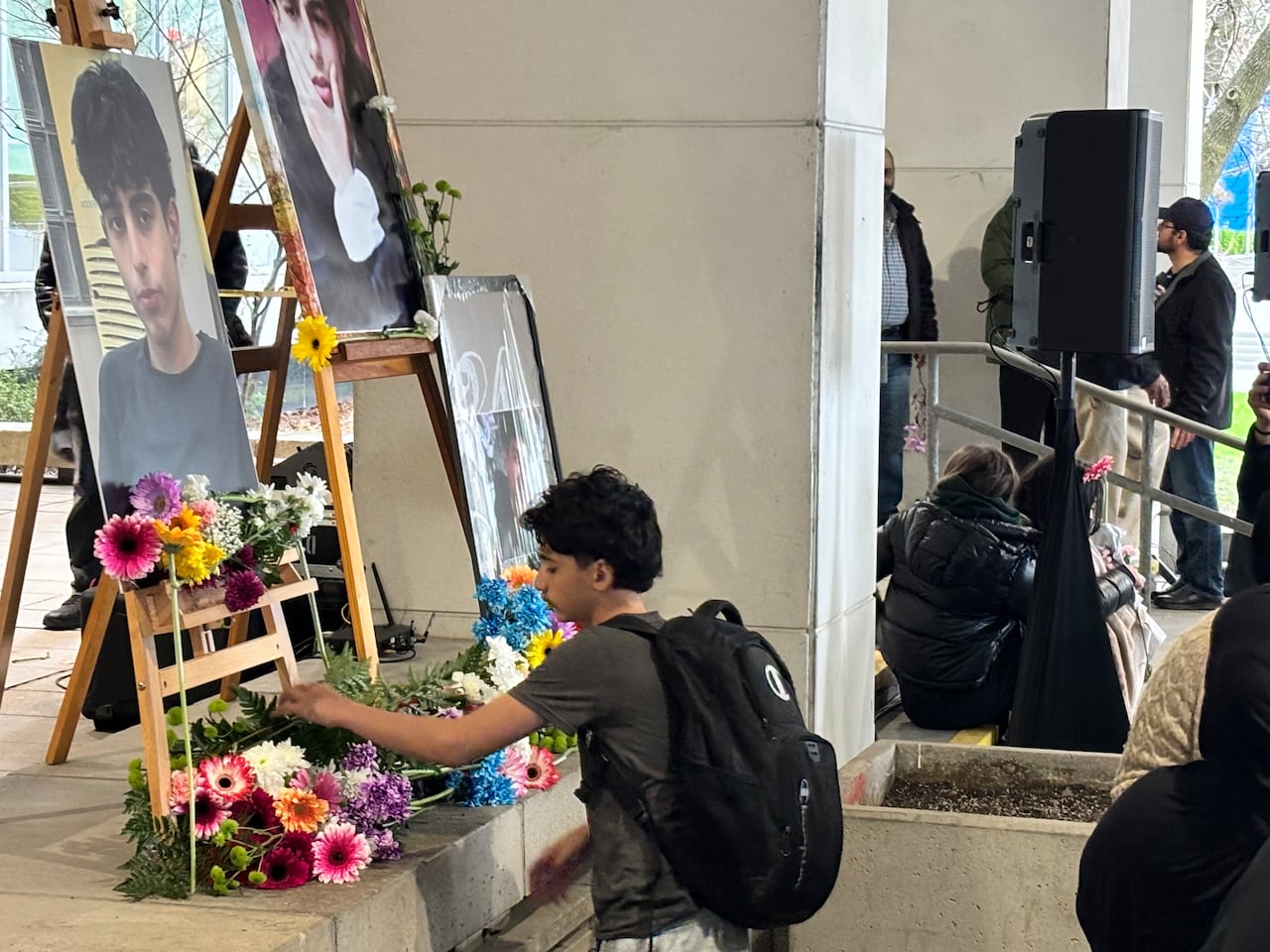
The outpouring of support for the Askafe family has been immense. From the hundreds who gathered at his funeral to the sea of flowers covering his gravesite, the community has attempted to wrap the family in empathy. A LaunchGood fundraiser was established to provide the family with financial support, reflecting the collective grief of those who knew Nabil or were simply touched by the story of his life.

Reflections from Educators
At a community vigil held at Hamilton City Hall, Michael Abraham, a graduation coach at Westdale Secondary School, delivered a poignant tribute. He spoke of the “shoulds”—the life Nabil should have lived, the graduation he should have celebrated, and the future he should have built.
“We live in a world of continuous ‘should’ commentary,” Abraham noted. “Nabil should be alive today.” His words echoed the sentiments of many who view the loss of such young lives as a failure of society to provide the protection and guidance necessary for the next generation to thrive.
Moving Forward: The Need for Concrete Action
As of 2026, the discussion surrounding youth violence in Hamilton has intensified. The case of Nabil Askafe serves as a grim reminder that policy changes, community programs, and increased police presence are all part of a complex puzzle.
Key Factors in the Aftermath:
- The Missing Weapon: The fact that the firearm remains unrecovered leaves a lingering threat, one that police continue to investigate.
- Youth Intervention: The involvement of a 14-year-old suspect highlights the critical need for early intervention and mental health support for at-risk youth.
- Community Vigilance: The family’s call for action emphasizes that safety is a collective responsibility, requiring collaboration between citizens, schools, and city officials.
Conclusion: A Legacy of Love
Nabil Askafe was more than a statistic in a police report. He was a son, a brother, and a young man with aspirations of law enforcement and international travel. His mother’s words—”I didn’t come to Canada to lose him”—serve as a heartbreaking indictment of the violence that can permeate even the safest of societies.
The Askafe family’s resilience, even in their darkest hour, challenges the city of Hamilton to do better. While no amount of policy reform can bring Nabil back, the legacy of his life—his kindness, his helpful nature, and the love he shared with his family—remains a powerful motivator for change. As the community continues to heal, the focus must remain on ensuring that no other mother has to endure the pain of losing a child to the senseless cycle of violence.