The Bayesian Sinking: Why Investigators Now Point to Human Error Over Freak Weather

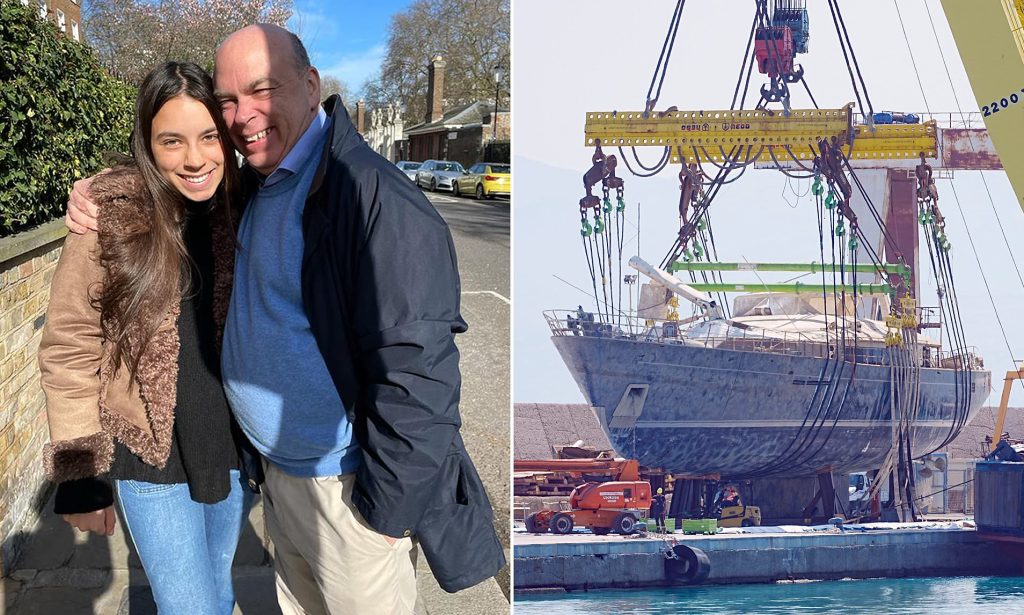
It has been over a year since the world watched in horror as the Bayesian, a £30 million, 184ft superyacht, vanished beneath the waves off the coast of Sicily in a mere 16 minutes. For months, the narrative surrounding the tragedy—which claimed the lives of British tech billionaire Mike Lynch, his 18-year-old daughter Hannah, and five others—centered on the theory of an unpredictable, freak weather event.
However, as we move through 2026, the investigative landscape has shifted dramatically. New findings from both Italian prosecutors and international maritime bodies suggest that the “freak storm” narrative may be a convenient distraction. Instead, evidence is increasingly pointing toward a critical failure in crew management, safety protocols, and a lack of awareness regarding the vessel’s specific design vulnerabilities.
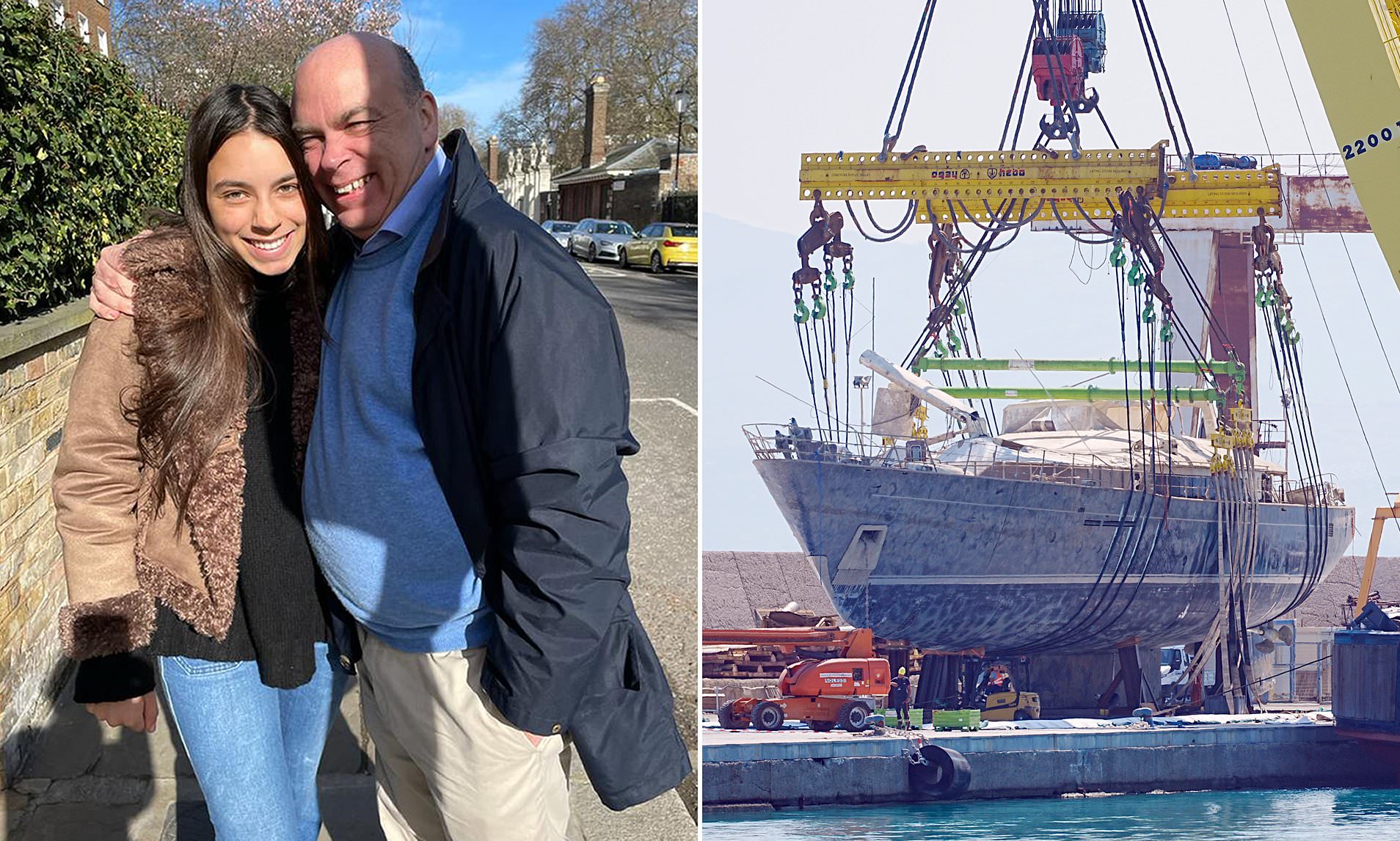
Challenging the “Freak Storm” Narrative
For a long time, the disaster was categorized as a victim of a “tornado” or a violent downburst. Witnesses on the night of August 19, 2024, described a terrifying intensity to the weather, leading many to believe the Bayesian was simply caught in an act of God.
Yet, expert analysis commissioned by Italian prosecutors has recently poured cold water on this theory. The report indicates that the weather conditions were likely “little more than a squall”—a localized, sudden increase in wind speed that is a common precursor to thunderstorms in the Mediterranean. According to these investigators, a vessel of the Bayesian’s caliber should have been equipped to handle such conditions had standard safety procedures been followed.
The Role of Human Negligence
The core of the current legal probe is shifting toward the actions of the captain and crew. Preliminary findings suggest that the disaster was not the result of an unavoidable natural phenomenon, but rather a “chain of errors.” Key points of contention include:
Underestimation of Weather: The crew reportedly failed to adequately prepare for the forecasted storm, despite warnings being public knowledge.
Safety Protocol Failures: Experts have pointed to the failure to activate essential safety devices and secure the vessel properly.
Securing the Vessel: Allegations have surfaced that doors, portholes, and hatches—which should have been sealed during high-wind alerts—were left open, compromising the ship’s buoyancy.

The “Unsinkable” Yacht Debate
The fallout from the tragedy has triggered a bitter legal battle. The Italian Sea Group (TISG), the company that built the Bayesian, has vehemently defended its design. Giovanni Costantino, the owner of TISG, has gone as far as to label the yacht “unsinkable,” shifting the blame entirely onto the crew’s supposed incompetence.
TISG has even filed a massive £400 million lawsuit against Mike Lynch’s widow, Angela Bacares, alleging that the company suffered significant financial losses and reputational damage due to the public blame placed on the vessel’s construction.
The Hidden Vulnerabilities
Conversely, the Lynch family and their representatives argue that TISG’s claims are a “cynical” distraction. They point to the Marine Accident Investigation Branch (MAIB) report from last year, which suggested that the Bayesian possessed inherent design vulnerabilities.
According to the MAIB, the crew was essentially “unaware” of how the vessel would react to extreme wind conditions. The stability information booklet provided to the crew allegedly failed to account for these specific vulnerabilities, meaning that when the 80.6mph winds hit, the ship tilted beyond its point of recovery. This suggests that even if the crew had acted perfectly, they were navigating a ship with unknown, dangerous design flaws.
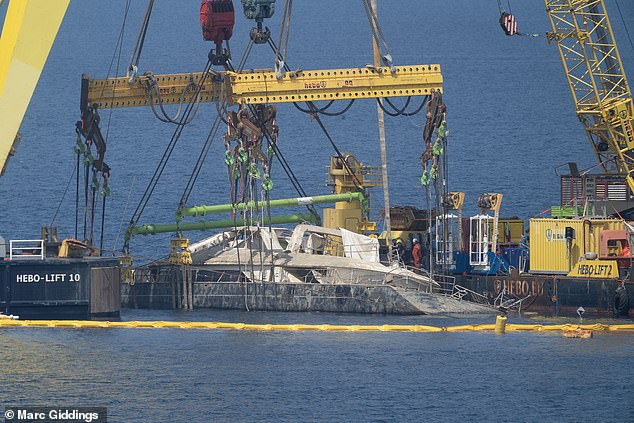
A Tragic Night in Porticello
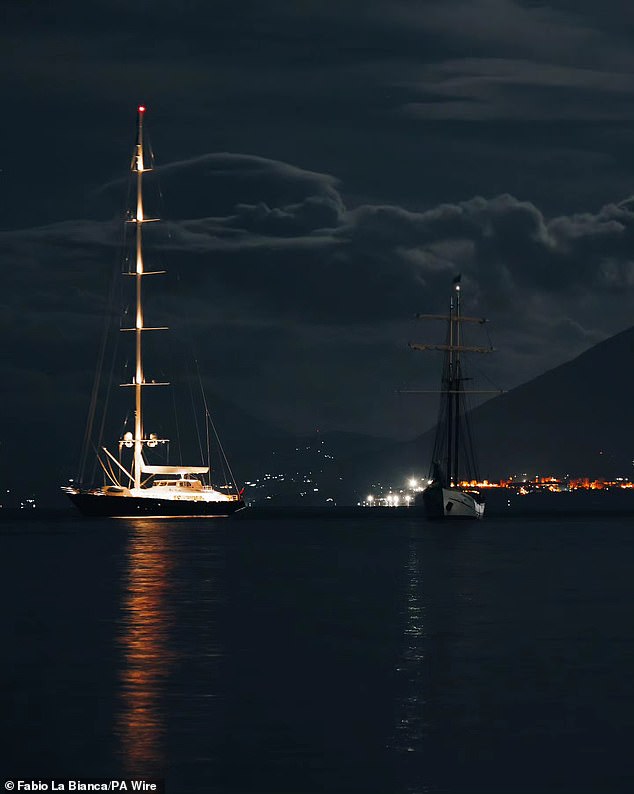
To understand the gravity of the situation, one must look at the timeline of the 16 minutes that changed everything. The Bayesian was anchored near the fishing village of Porticello, intending to shelter from the forecast weather.
Angela Bacares, who survived the ordeal, later described the sensation of the boat “swaying” and “moving up and down.” At the time, she did not perceive an immediate threat, highlighting just how quickly a manageable situation can turn catastrophic. The suddenness of the roll—where the boat tipped on its side and failed to right itself—is what ultimately led to the tragedy.
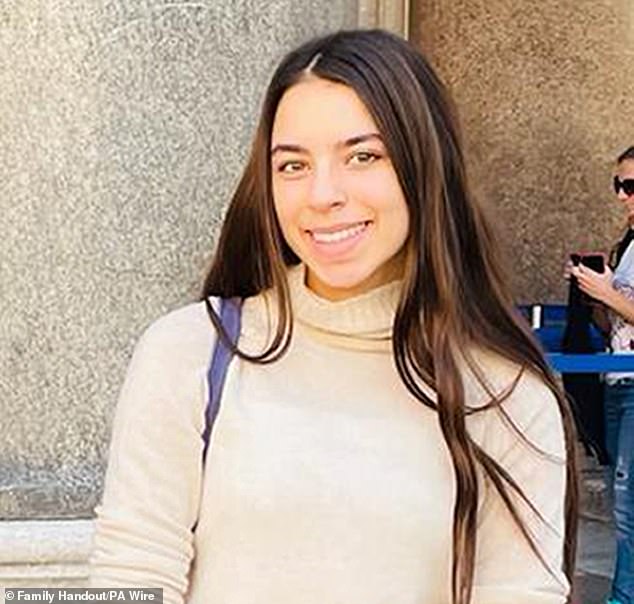
The victims included not only the billionaire and his daughter but also esteemed members of the global business and legal communities, such as Morgan Stanley International chairman Jonathan Bloomer and his wife, Judy, as well as attorney Chris Morvillo and his wife, Neda. Their loss remains a profound shock to the international community.
The Legal and Financial Fallout
As we look toward the conclusion of these probes in 2026, the legal implications are staggering. The captain and two crew members face potential charges of negligent shipwreck and multiple counts of manslaughter.
Furthermore, the financial state of the Lynch estate adds a layer of complexity to the proceedings. Following the costly legal battle over the sale of his company, Autonomy, to Hewlett Packard Enterprise (HPE), the estate was ordered to pay over £930 million in damages. The Bayesian sinking has only added to the legal entanglements surrounding the family’s assets.
Conclusion: Lessons for the Maritime Industry
The sinking of the Bayesian* is more than a news story; it is a case study in maritime safety and accountability. Whether the primary fault lies with the crew’s lack of preparation or the manufacturer’s failure to disclose design limitations, the outcome is the same: seven lives were cut short in a disaster that many experts now argue was preventable.
As legal proceedings continue to unfold, the global yachting industry is being forced to reckon with its own standards. Are current training protocols sufficient for “freak” weather events? Are manufacturers being held to high enough standards for transparency regarding vessel stability? These questions will likely define the maritime industry for years to come.