The Great Transatlantic Divorce? Trump Threatens US Troop Withdrawal from Italy and Spain as Iran War Rift Explodes

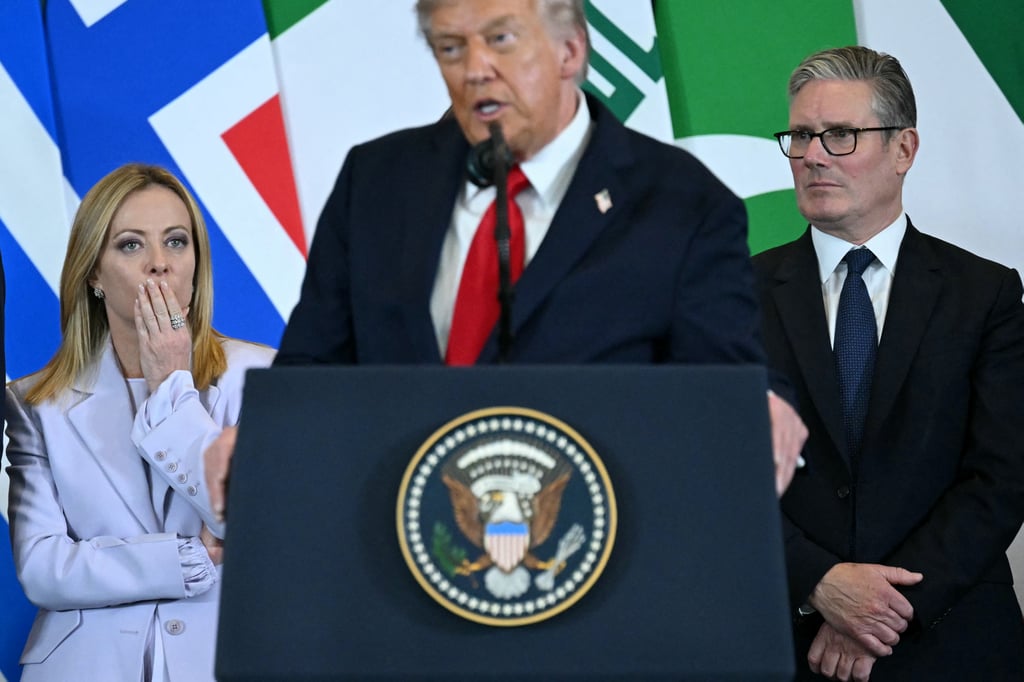
The geopolitical landscape of 2026 has reached a boiling point. In a move that has sent shockwaves through the halls of Brussels and the corridors of the Pentagon, U.S. President Donald Trump has signaled a potential end to decades of military cooperation with two of America’s oldest Mediterranean allies.
When asked recently if he would consider pulling U.S. forces out of Italy and Spain, Trump’s response was characteristically blunt: “Yeah, I probably will.” This declaration isn’t just a casual remark; it represents the culmination of a deepening rift between the United States and Europe fueled by the ongoing conflict in the Middle East and a series of aggressive trade disputes.
The Catalyst: The Iran War and the Strait of Hormuz
The primary driver of this sudden escalation is the Iran war, which began in earnest on February 28, 2026. While Washington has demanded unwavering support from its NATO allies to secure the Strait of Hormuz—a vital artery for global energy—Europe has largely balked.
Trump’s frustration centers on what he perceives as a lack of reciprocity. “Italy has not been of any help to us and Spain has been horrible. Absolutely horrible,” Trump stated, doubling down on his “America First” doctrine. He reminded the world that while the U.S. provided significant aid to Europe during the Ukraine crisis, the favor has not been returned during the current Iranian standoff.
A Numbers Game: The Scale of the Withdrawal
To understand the gravity of the threat, one must look at the sheer scale of the U.S. military footprint in these nations. As of late 2025, the Defense Manpower Data Center (DMDC) reported:
Italy: 12,662 active-duty personnel.
Spain: 3,814 active-duty personnel.
These troops are stationed at critical strategic hubs, including the Sigonella Naval Air Station in Sicily and the Rota Naval Base in Spain. A withdrawal would not only weaken NATO’s southern flank but also leave a massive vacuum in Mediterranean security.
Italy’s Pushback: From Close Ally to Vocal Critic
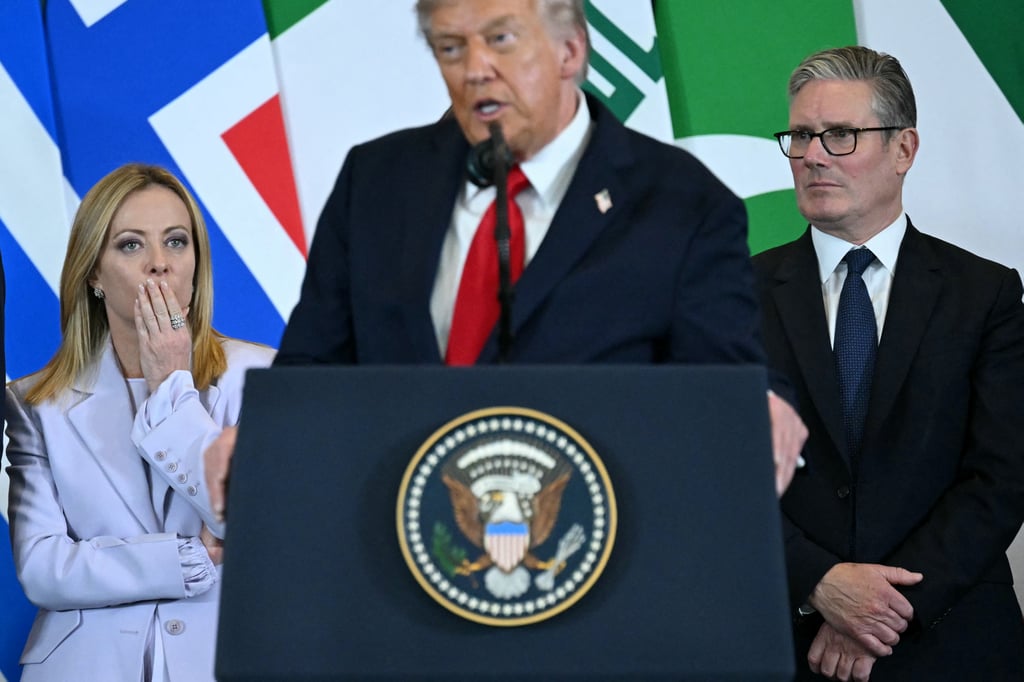
Italian Prime Minister Giorgia Meloni, once viewed as Trump’s closest ideological partner in Europe, has seen her relationship with the White House sour rapidly. The tension reached a breaking point when Italy reportedly denied the U.S. use of its Sicilian airbases for missions related to the Iran conflict, citing a failure to follow proper authorization procedures.
Trump’s response was scathing: “Italy wasn’t there for us, we won’t be there for them.”
The Religious Factor: The Feud with Pope Leo
Adding fuel to the fire is a highly public and unusual feud between President Trump and Pope Leo. After the Pontiff called for an immediate end to the war in Iran, Trump accused him of being “weak on crime” and “terrible for foreign policy.”
In a predominantly Catholic nation like Italy, these comments were the final straw for Meloni. “The Pope is the head of the Catholic Church, and it is right and normal that he should call for peace,” she stated, defending the Holy Father. Trump retorted by calling Meloni “unacceptable” and claiming she is indifferent to the threat of a nuclear-armed Iran.
Spain’s Defiance: Closing the Airspace
While Italy’s resistance has been diplomatic, Spain’s has been logistical. Prime Minister Pedro Sánchez has been one of the most vocal critics of the U.S.-led operations, labeling the initial strikes against Iran as “illegal.”
Spain’s strategic decisions include:
- Denying access to joint military bases for offensive strikes.
- Closing Spanish airspace to U.S. military aircraft involved in the Iran conflict.
- Rejecting calls to send the Spanish Navy to the Strait of Hormuz.
This defiance led to a leaked internal Pentagon email suggesting the U.S. might even float the idea of suspending Spain from NATO. While Sánchez has downplayed these reports, the threat of U.S. trade sanctions—specifically targeting Spanish exports—remains a looming reality.
The German Front: A Row with Chancellor Merz
The threat to Italy and Spain follows a similar warning issued to Germany. Trump’s relationship with German Chancellor Friedrich Merz has disintegrated following Merz’s comment that the U.S. is “being humiliated by the Iranian leadership.”
Trump responded by telling Merz to stop “interfering” with the war and focus on domestic issues. The U.S. is now actively reviewing troop reductions in Germany, further signaling a total overhaul of the American presence in Europe.
Economic Warfare: Tariffs as a Tool of Diplomacy
The rift isn’t just military; it’s economic. Trump has announced a 25% tariff on European automobiles, accusing the E.U. of failing to comply with trade agreements.
“Next week I will be increasing tariffs charged to the European Union for cars and trucks,” Trump declared, offering an exemption only to those who move production to U.S. soil. This move has been described by Bernd Lange, chairman of the E.U. parliament’s trade committee, as “unacceptable” and “arbitrary.”
The 2026 Economic Outlook
The timing of this trade war could not be worse for Europe. The continent is currently grappling with:
Energy Crisis: Fossil fuel import bills have skyrocketed by over €27 billion in just 60 days.
Inflation: The Purchasing Managers’ Index (PMI) shows factory cost inflation at a 37-month high.
- Stagnant Growth: The IMF has revised the Euro area growth forecast down to a meager 1.1% for 2026.
European Commission President Ursula von der Leyen warned that the Middle East conflict is “strangling the global economy,” yet the U.S. administration seems intent on using economic pressure to force military compliance.
The Greenland Turning Point
According to Matthias Matthijs, a senior fellow at the Council on Foreign Relations, the current animosity traces back to January 2026 and the Greenland dispute. When Trump threatened tariffs on the U.K. and other allies unless Denmark sold Greenland, Europe reached a collective realization.
“That’s when the Europeans realized, ‘Okay, we cannot just keep bending the knee and appeasing,'” Matthijs notes. The era of “European appeasement,” which saw NATO spending rise to 5% of GDP in some nations, appears to be over. European leaders are now prioritizing sovereign interests over the historic transatlantic alliance.
Conclusion: A New Era of Global Instability
As we move further into 2026, the “special relationship” between the U.S. and its European allies is in tatters. The threat to withdraw troops from Italy and Spain is more than just a negotiation tactic; it is a sign that the post-WWII security architecture is being dismantled in real-time.
With U.N. Secretary-General António Guterres warning that the consequences of the Middle East crisis grow worse with each passing hour, the lack of a unified Western front could have dire implications for global stability. Whether Italy and Spain can maintain their security without a U.S. presence—or whether Trump will follow through on his promise to “leave them to it”—remains the most critical question of the year.