Cheers to Diplomacy: Trump Drops UK Whisky Tariffs Following Historic King Charles Visit

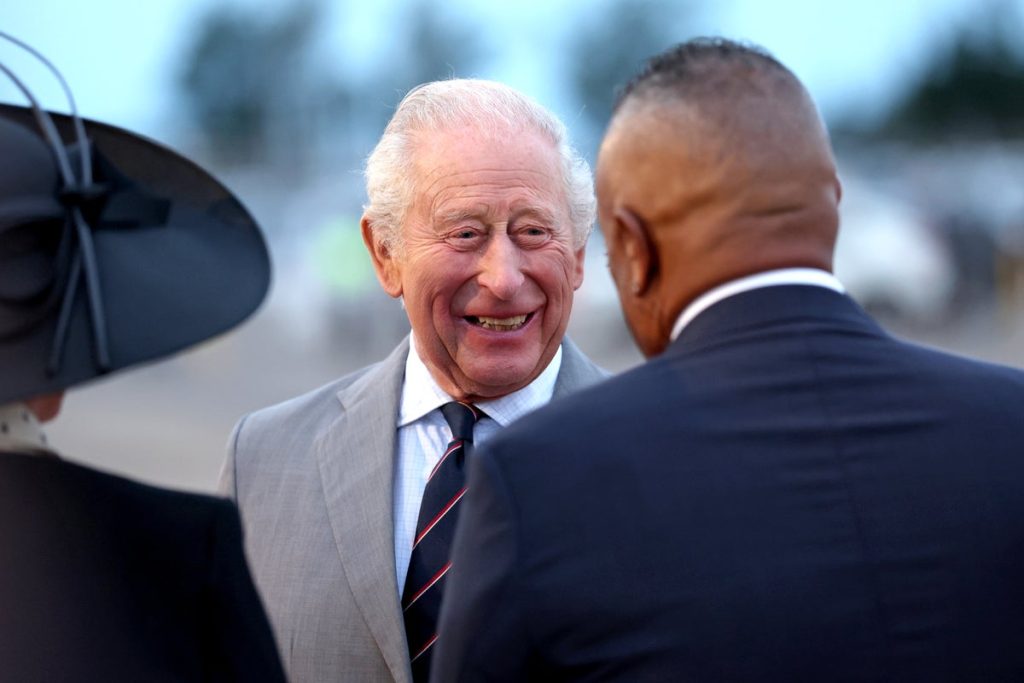
In a move that has sent ripples of optimism through the transatlantic business community, President Donald Trump has officially announced the removal of tariffs on Scottish whisky. This significant policy reversal, announced immediately following the four-day state visit of King Charles III and Queen Camilla to the United States, marks a pivotal moment in the ongoing efforts to mend the “special relationship” between the UK and the US.
The President took to his Truth Social platform to declare that the decision was made “in honour of the King and Queen,” crediting the royal couple’s direct intervention for the breakthrough. For the Scotch whisky industry, which has long grappled with trade levies, this development is being hailed as a major economic victory.
A Diplomatic Masterstroke: The King’s “Soft Power”
The state visit, which coincided with the 250th anniversary of American independence, was viewed by many political analysts as a high-stakes gamble. With tensions simmering between London and Washington regarding policy disagreements—most notably the UK’s stance on the conflict in Iran—the King’s visit was designed to leverage the monarchy’s unique brand of “soft power.”
By focusing on shared history, environmental conservation, and cultural ties, King Charles navigated a complex political landscape with apparent ease. President Trump, who referred to the King as “the greatest king, in my book,” signaled that the personal rapport established during the visit was instrumental in the policy shift.

Why the Whisky Tariff Matters
The removal of the 10% tariff on Scotch whisky is more than just a symbolic gesture. It addresses a long-standing friction point in US-UK trade.
Economic Relief: Distillers in Scotland can now export more freely, lowering costs for American consumers and businesses.
Supply Chain Integration: The move facilitates the easier exchange of whisky casks between Scotland and Kentucky, two regions deeply invested in the spirits industry.
- Industry Sentiment: The Scotch Whisky Association has already expressed its relief, noting that distillers can finally “breathe a little easier.”
From the White House to the Blue Ridge Mountains
The royal itinerary was meticulously planned to showcase the breadth of the UK-US alliance. Beyond the formal pageantry of the White House and the historic address to Congress, the King and Queen participated in events that highlighted the personal connection between the two nations.
In Front Royal, Virginia, the atmosphere was jubilant as the royals attended a community block party. The sight of the King and Queen sampling local culture—and even bringing their own British treats, such as a Coronation Quiche and Victoria sponge—helped humanize the monarchy for the American public.
Shenandoah and the Environment
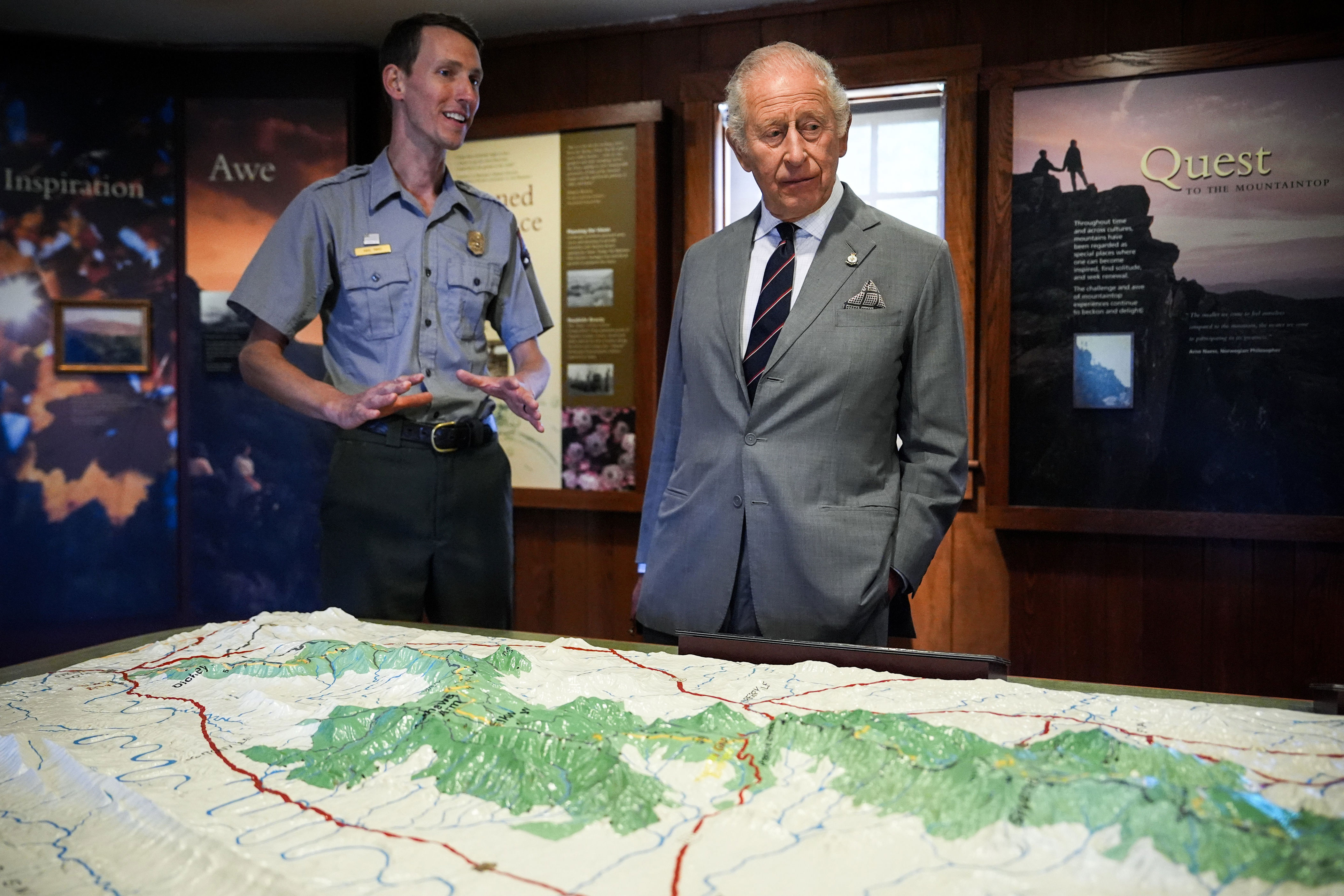
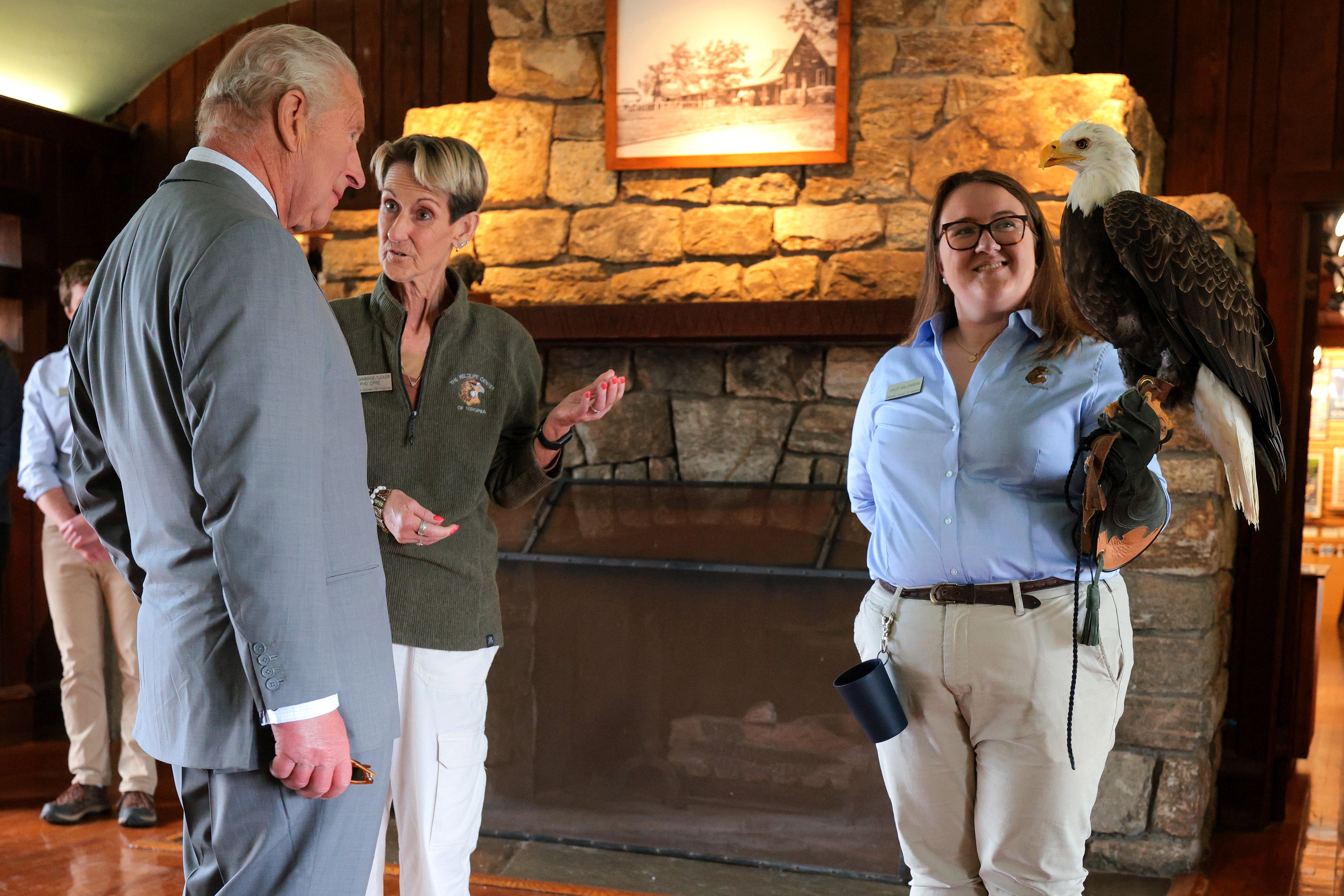
As a lifelong advocate for environmental conservation, King Charles used his visit to Shenandoah National Park to emphasize the climate challenges facing both countries. The unveiling of commemorative stones from the Appalachian Mountains and the Cairngorms in Scotland served as a poignant reminder of the geological and historical links between the two regions.
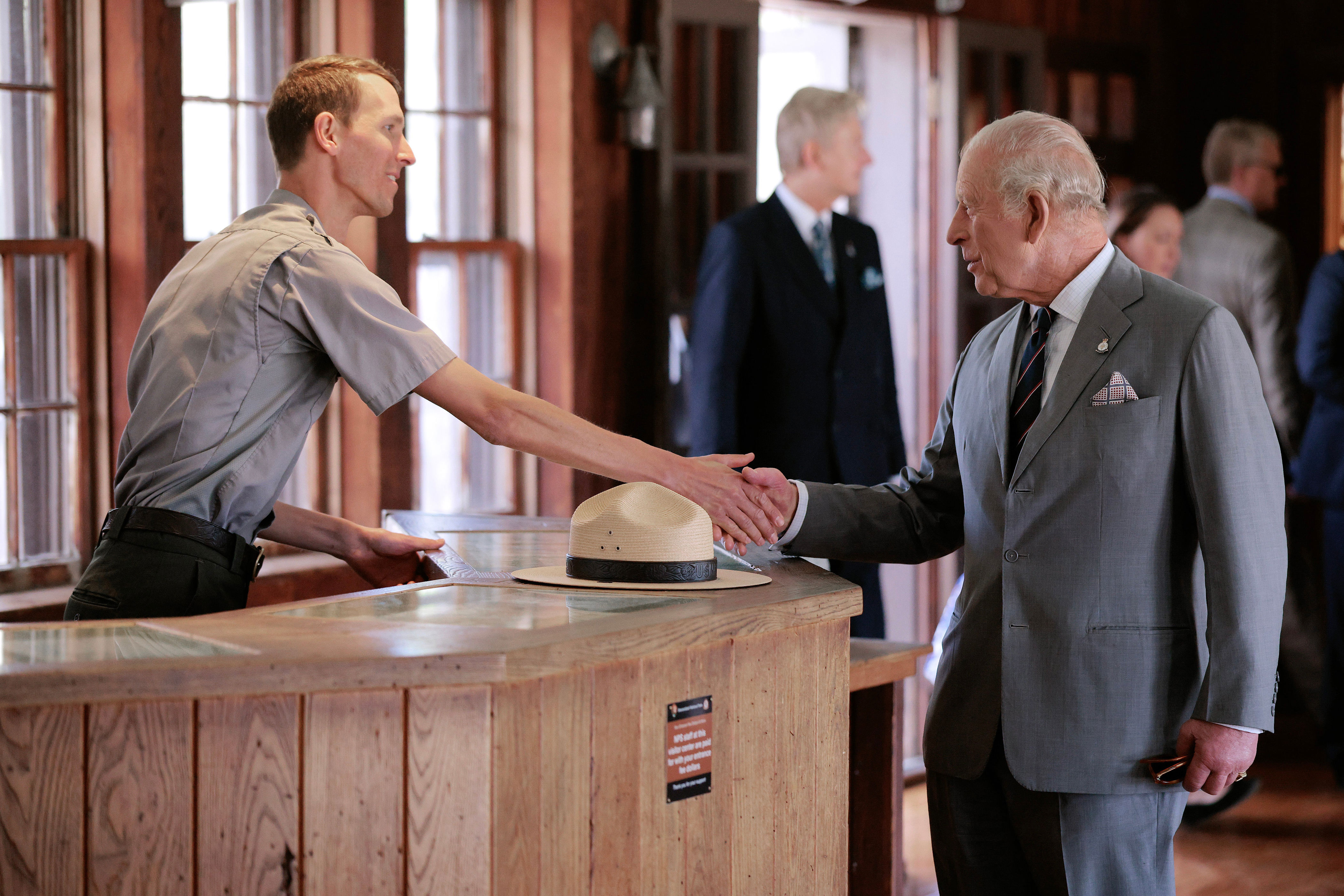
The King’s interaction with park rangers and his meeting with a bald eagle—the American national symbol—provided powerful imagery that dominated news cycles, reinforcing the narrative of a robust, enduring partnership.
The Bermuda Connection: A New Chapter
Following the conclusion of the US tour, King Charles wasted no time, immediately departing for Bermuda. This marks his first visit to a British overseas territory as the reigning monarch. The transition from the high-pressure political environment of Washington D.C. to the diplomatic engagements in Hamilton demonstrates the King’s commitment to reinforcing the global reach of the Commonwealth.
In Bermuda, the focus shifted toward marine conservation and local heritage, with the King scheduled to visit the Bermuda Aquarium and the National Museum. This leg of the tour underscores the King’s role as a figurehead for the diverse interests and environments encompassed by the British crown.
Analysis: Can the “Special Relationship” Hold?
While the removal of the whisky tariff is a clear win for diplomacy, observers are cautious about the long-term stability of the relationship. President Trump’s recent rhetoric regarding the potential withdrawal of US troops from Europe, in response to varying levels of support for US policies in the Middle East, suggests that the “bonhomie” displayed during the royal visit may be fragile.
However, the King’s ability to secure a concession that “nobody else was able to do” speaks volumes about the efficacy of his diplomatic approach. By operating outside the traditional partisan friction of Westminster and the White House, the King provided a neutral ground for dialogue that was otherwise unavailable.
Key Takeaways from the Tour
- Direct Personal Diplomacy: The King’s personal rapport with President Trump acted as a catalyst for tangible economic policy changes.
- Cultural Diplomacy: The focus on regional visits, like the Virginia potluck, was highly effective in connecting with the American public.
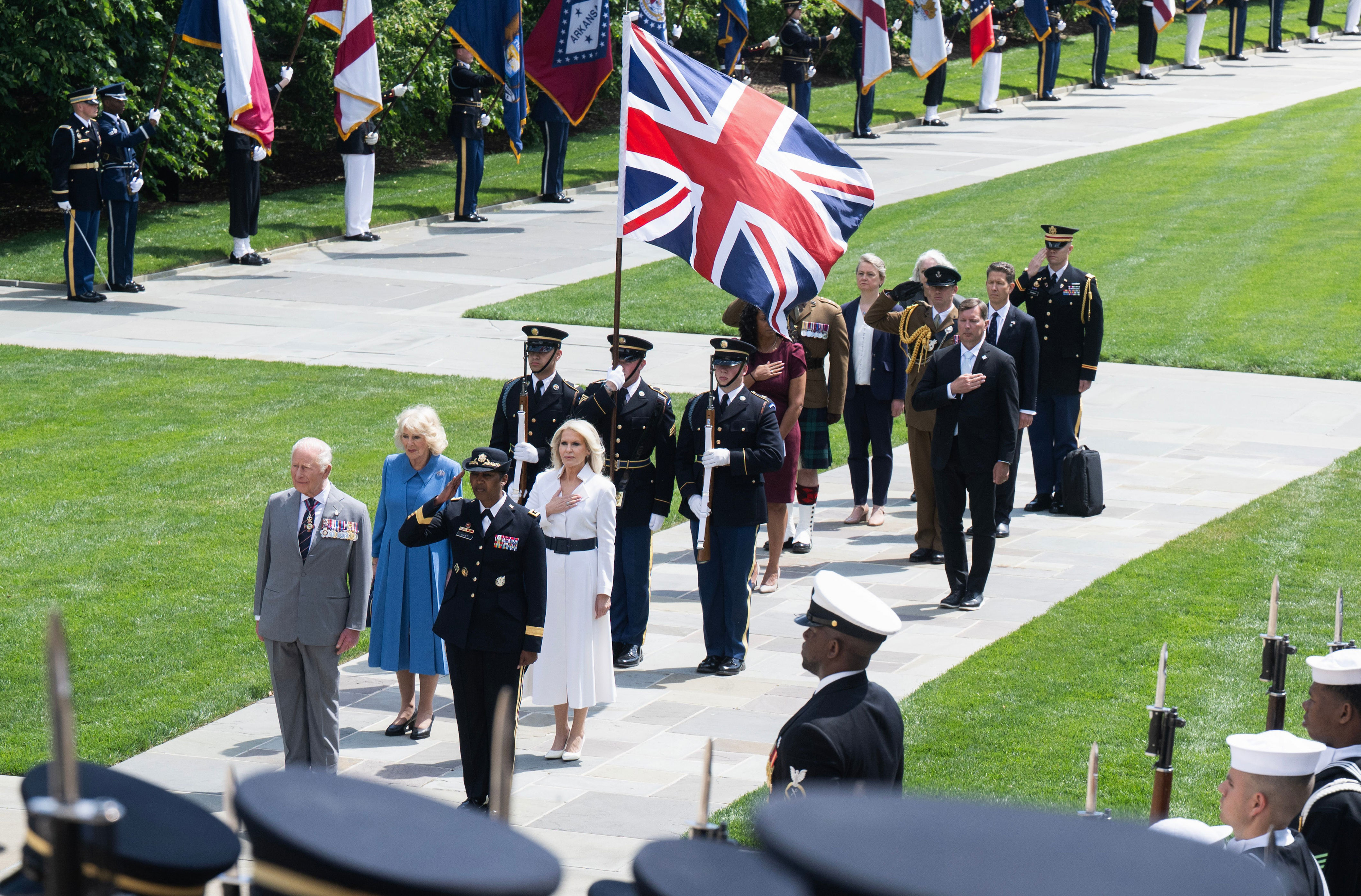
- Strategic Symbolism: The use of historical memorials, such as the wreath-laying at Arlington and the Canadian Cross of Sacrifice, reminded both nations of their shared history and sacrifices.
- Economic Impact: The end of the whisky tariff is a concrete, measurable benefit that will resonate with voters and industry leaders alike.
Conclusion
As King Charles continues his tour in Bermuda, the legacy of his US visit remains a subject of intense discussion. Whether this marks a permanent thaw in UK-US relations or merely a brief reprieve remains to be seen. However, in the immediate term, the “dram” raised in honor of the President’s decision serves as a fitting end to a successful, albeit complex, state visit.
The King has proved that even in an era of intense political polarization, there is still room for traditional diplomacy to achieve results that benefit both sides of the Atlantic.