Zack Polanski’s Digital Misstep: Unpacking the Golders Green Police Controversy and the Future of Political Accountability

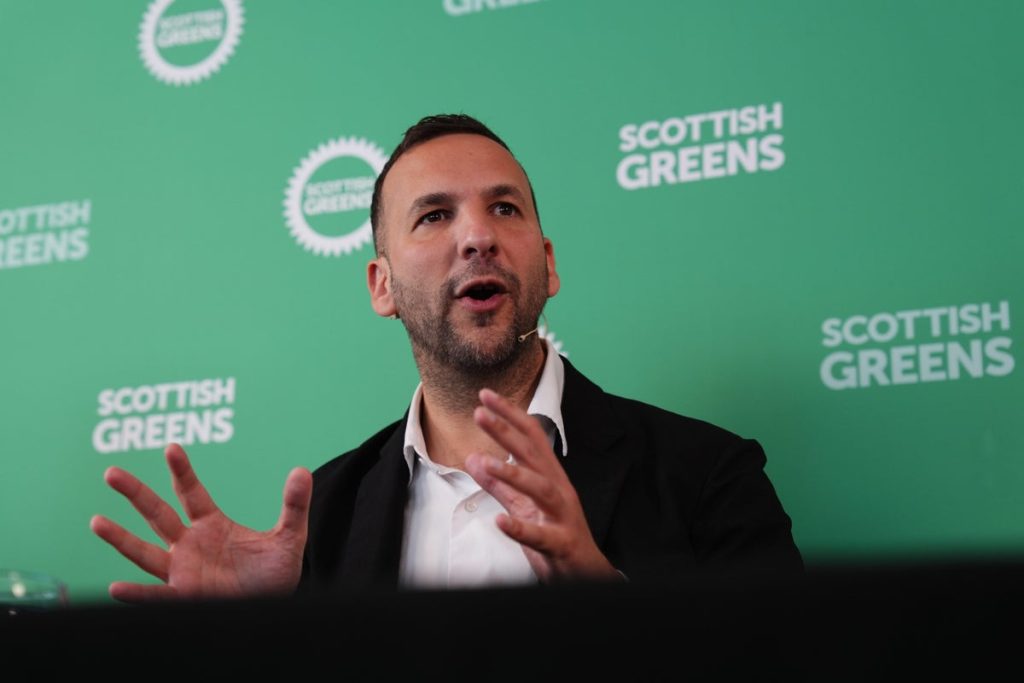
In the fast-paced digital landscape of 2026, the intersection of social media and political leadership remains a volatile minefield. The recent controversy surrounding Green Party leader Zack Polanski and his comments regarding the Metropolitan Police response to the Golders Green stabbing incident has served as a stark reminder of how quickly a single “repost” can ignite a national debate.
Polanski’s formal apology for “sharing a tweet in haste” marks a significant moment in his leadership, highlighting the delicate balance between holding authorities accountable and ensuring public discourse remains grounded in verified facts. As the UK navigates a heightened security environment, the fallout from this incident continues to resonate across the political spectrum.
The Golders Green Incident: A Community in Shock
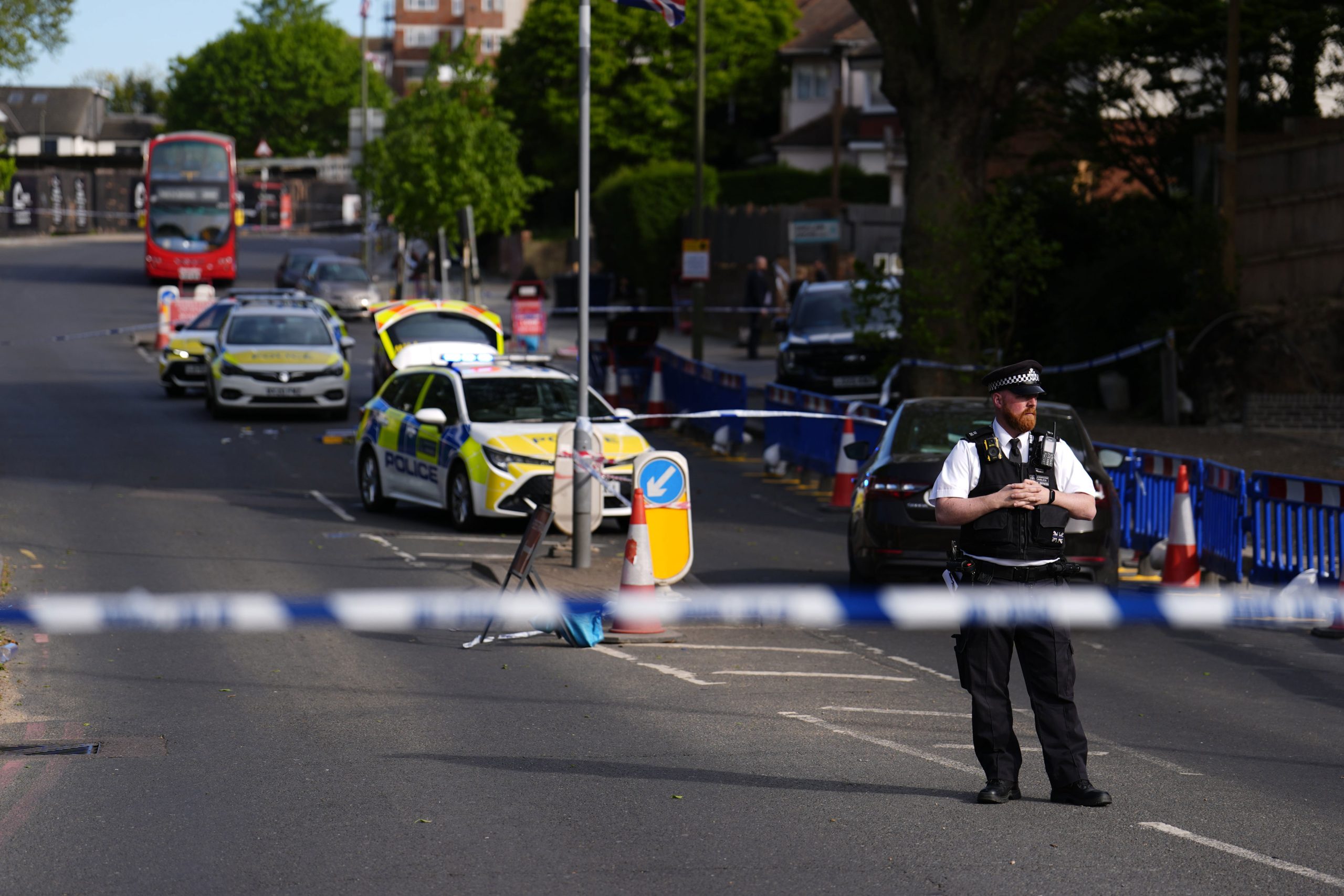
The catalyst for this political firestorm was a harrowing attack in the heart of Golders Green, a prominent Jewish community in north London. On a Wednesday afternoon that began like any other, the peace was shattered when two Jewish men, Shloime Rand (34) and Norman Shine (76), were targeted in a violent knife rampage.
The suspect, identified as Essa Suleiman, 45, was eventually apprehended by Metropolitan Police officers. However, the arrest was anything but routine. In the immediate aftermath, the Joint Terrorism Analysis Centre raised the UK’s terrorism threat level to “severe,” indicating that an attack is “highly likely.” This escalation reflected the gravity of the situation and the palpable tension felt across London’s diverse neighborhoods.
The Social Media Spark: What Polanski Shared
As news of the arrest spread, a video clip began circulating on X (formerly Twitter). The footage appeared to show officers using force to restrain the suspect after he had been tasered. Zack Polanski, seeking to address what appeared to be heavy-handedness, reshared a post that accused the officers of “repeatedly and violently kicking a mentally ill man in the head” while he was already incapacitated.
The post quickly went viral, drawing thousands of impressions and sparking a heated debate about police brutality. However, the Metropolitan Police quickly countered this narrative, asserting that the footage was being viewed out of context and that the officers’ actions were necessary to ensure the suspect was fully neutralized and did not possess further weapons.
The Backlash from the Met and Downing Street
The reaction from institutional leaders was swift and uncompromising. Metropolitan Police Commissioner Sir Mark Rowley took the unusual step of writing a formal letter to the Green Party leader. In the letter, Rowley expressed his deep “disappointment,” labeling Polanski’s shared post as “inaccurate and misinformed.”
Rowley defended his officers, noting that they were “shaken” by the intensity of the confrontation. “Unless you’ve been in that moment where you’re scared stiff and you’re confronting somebody so dangerous, it’s hard to put yourself in that situation,” Rowley stated. He emphasized that the officers were focused on neutralizing a high-threat individual in a “split-second” scenario.
Prime Minister Sir Keir Starmer was even more vocal in his condemnation. During an interview on BBC Radio 4’s Today programme, Starmer branded Polanski’s actions as “disgraceful.” He went further, suggesting that Polanski was “not fit to lead any political party” for criticizing police officers who were risking their lives to protect the public.
The Formal Apology: “Sharing in Haste”
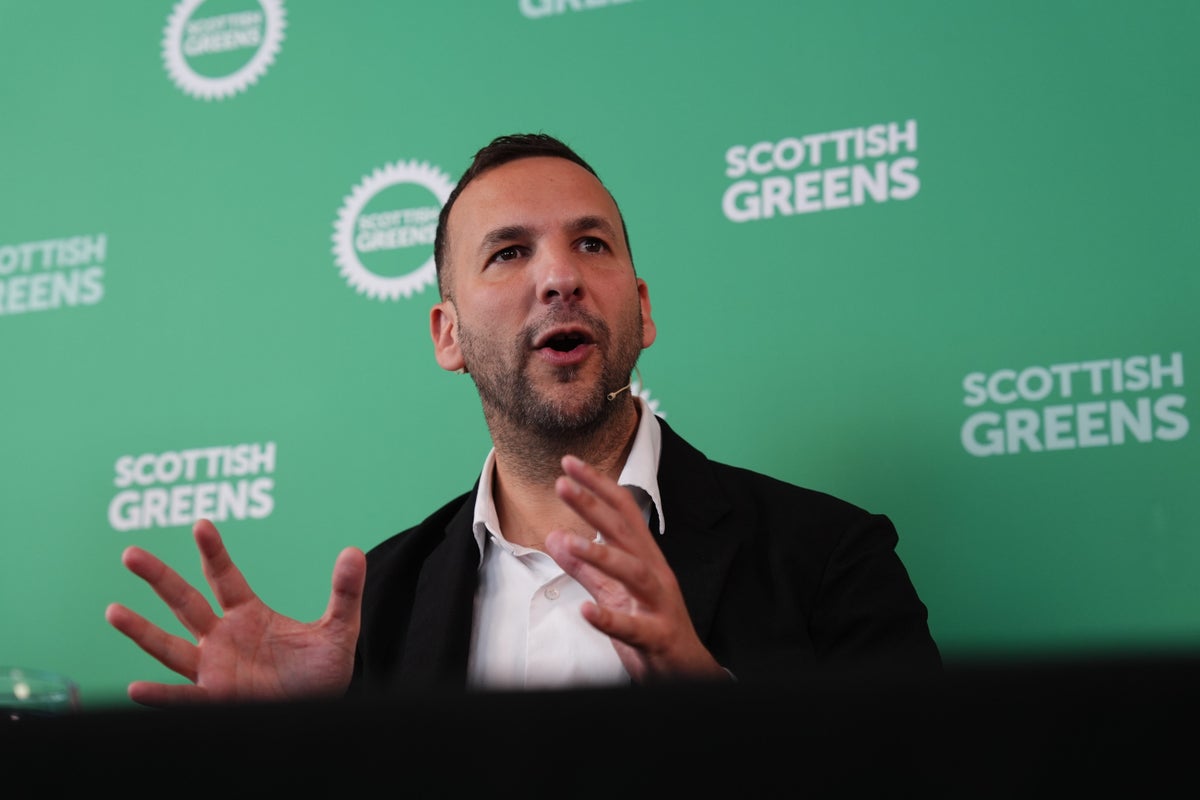
Under mounting pressure from both the public and political rivals, Zack Polanski issued a comprehensive apology on Friday afternoon. This move was seen as an attempt to de-escalate a situation that threatened to overshadow the Green Party’s policy platform ahead of the upcoming election cycles.
In his statement, Polanski admitted:
“Everyone in leadership has a responsibility for lowering the temperature at a time of such tension, and I apologise for sharing a tweet in haste.”
He acknowledged that while police responses to emergency situations require scrutiny, social media is not the appropriate channel for such complex reflections. Polanski also extended an invitation to Sir Mark Rowley to meet and discuss the broader issues of police response and community safety, signaling a shift from public criticism to private diplomacy.
Analyzing the Impact: Leadership in the Age of Instant Information
The Polanski incident raises several critical questions about the nature of political leadership in 2026. In an era where “being first” often takes precedence over “being right,” the risks for public figures are magnified.
1. The Responsibility of “The Retweet”
In modern legal and social contexts, sharing a post is often viewed as an endorsement. For a party leader, the “retweet” functions as a megaphone. Polanski’s initial defense—that he didn’t know the “full picture”—was met with skepticism because leaders are expected to verify information before lending their platform to it.
2. Police Morale and Public Trust
The Metropolitan Police have faced significant scrutiny over the past several years. However, in instances of clear public danger, such as a stabbing rampage, the public expectation shifts toward support for first responders. By criticizing the arrest tactics prematurely, Polanski was seen as undermining the morale of officers who had just prevented further loss of life.
3. Impact on Local Communities
Golders Green is a community that has historically felt vulnerable to targeted attacks. The political fallout from the police response added a layer of complexity to their trauma. For many residents, the priority was safety and justice, and the political bickering over arrest tactics felt secondary to the tragedy of the victims.
The Legal Path Forward for Essa Suleiman
While the political storm raged, the legal process began for the accused. Essa Suleiman appeared at Westminster Magistrates’ Court facing charges related to the attempted murder of Shloime Rand and Norman Shine. The court heard details of the “knife rampage,” and Suleiman was remanded in custody.
The judicial proceedings will likely focus on the suspect’s mental health and the motives behind the attack. For the Met Police, the bodycam footage of the arrest will serve as a crucial piece of evidence—not just for the prosecution, but as a definitive record to counter the claims of “heavy-handedness” that initially sparked Polanski’s social media post.
Lessons for the Green Party and Beyond
As the Green Party looks toward the future, the Polanski apology serves as a “teachable moment.” The party has traditionally been a voice for civil liberties and police reform, but this incident suggests a need for a more nuanced approach when dealing with active terror threats and violent crime.
Key takeaways for political communications in 2026 include:
Verification over Velocity: Waiting for official statements before commenting on tactical police operations.
Contextual Sensitivity: Recognizing the heightened emotions of communities targeted by violence.
- Constructive Dialogue: Using official channels (like letters to the Commissioner) rather than public social media posts to raise concerns about police conduct.
Conclusion: A Path to Reconciliation?
The Metropolitan Police have confirmed that a meeting between Sir Mark Rowley and Zack Polanski will take place, though notably, it is scheduled for after the local elections. This timing suggests that the Met wishes to keep the discussion professional and away from the immediate heat of the campaign trail.
Polanski’s apology may have stopped the immediate bleeding of his reputation, but the label of “disgraceful” from the Prime Minister will likely be used by opponents for months to come. In the end, the Golders Green incident is a somber reminder that in the world of 2026 politics, the “send” button is the most powerful—and dangerous—tool a leader possesses.
As the UK remains on high alert under a “severe” terror threat, the focus must return to community cohesion and the protection of all citizens. Whether Polanski can rebuild the trust he lost with the police and the Jewish community remains to be seen, but his apology is the first necessary step on a long road to political recovery.