Starmer Defends Police Force in Golders Green Arrest: A Turning Point for UK Public Safety in 2026

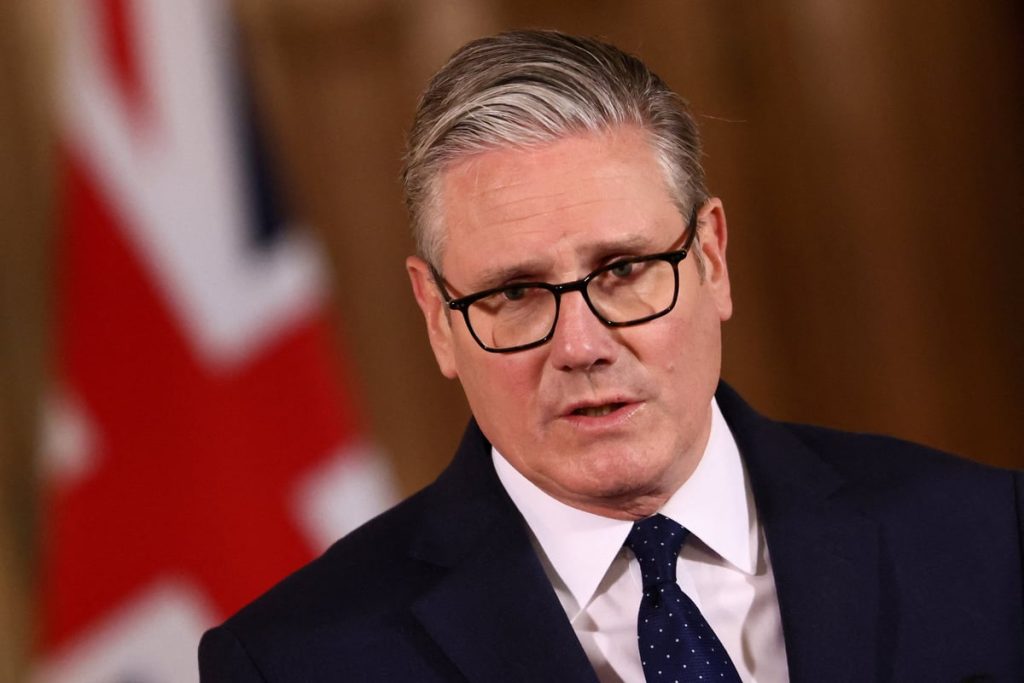
The landscape of British policing and political discourse has reached a fever pitch in 2026. Following a harrowing incident in Golders Green, Prime Minister Sir Keir Starmer has stepped firmly into the fray, defending the actions of Metropolitan Police officers who used controversial tactics to subdue a stabbing suspect. This defense comes at a time when the UK is grappling with a “severe” terror threat level and a troubling rise in antisemitic violence.
The incident, which saw officers kicking a suspect in the head after deploying a Taser, has ignited a fierce debate over the line between “necessary force” and “police brutality.” While social media critics were quick to condemn the footage, the Prime Minister’s intervention suggests a government stance that prioritizes officer intuition and public safety over optical concerns.
The Golders Green Incident: What Actually Happened?
On a busy Wednesday in North London, the community of Golders Green—a historic hub for the Jewish community—was rocked by a double stabbing. The suspect, a 45-year-old male, was confronted by Metropolitan Police officers shortly after the attack.
In footage that quickly went viral on platforms like X (formerly Twitter), officers were seen using a Taser to bring the man to the ground. However, it was the subsequent actions—kicking the suspect in the head while he appeared incapacitated—that sparked a national outcry.
Why the Police Used “Extreme” Force
Sir Keir Starmer, drawing on his extensive legal background as a former Director of Public Prosecutions, offered a calculated defense of these actions. Speaking to the BBC’s Today programme, the Prime Minister urged the public to consider the “split-second” nature of these life-or-death encounters.
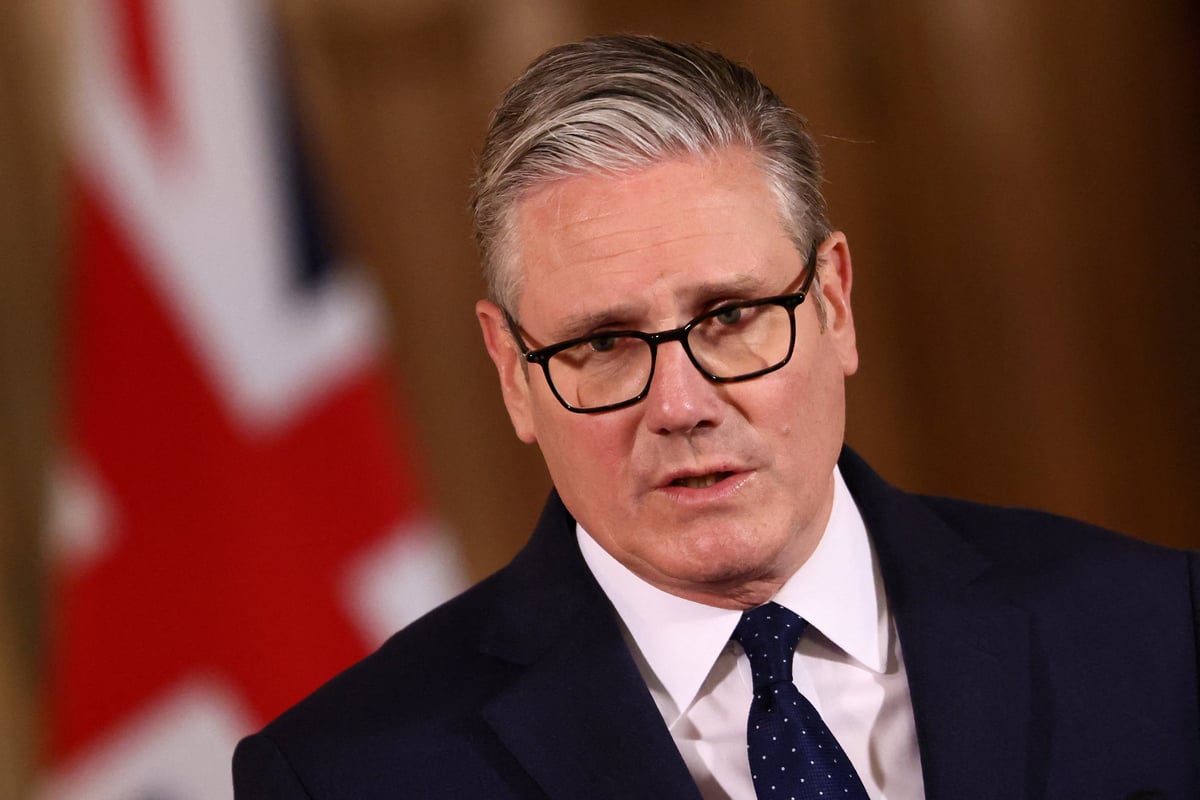
According to Starmer, the officers were dealing with an individual who had already demonstrated a “total disregard for life.” He highlighted three critical factors that influenced the officers’ decision:
Taser Limitations: A Taser typically only has two shots. Once deployed, if the suspect is not fully neutralized, the officer is left vulnerable.
The Rucksack Factor: The suspect was wearing a backpack. In a high-tension environment with a “severe” terror threat, officers must assume the worst-case scenario—the presence of an explosive device.
Pre-emptive Neutralization: Starmer argued that the kicks were likely intended to fully disable the suspect to prevent him from detonating a potential device or reaching for another weapon.
The Political Firestorm: Starmer vs. Polanski
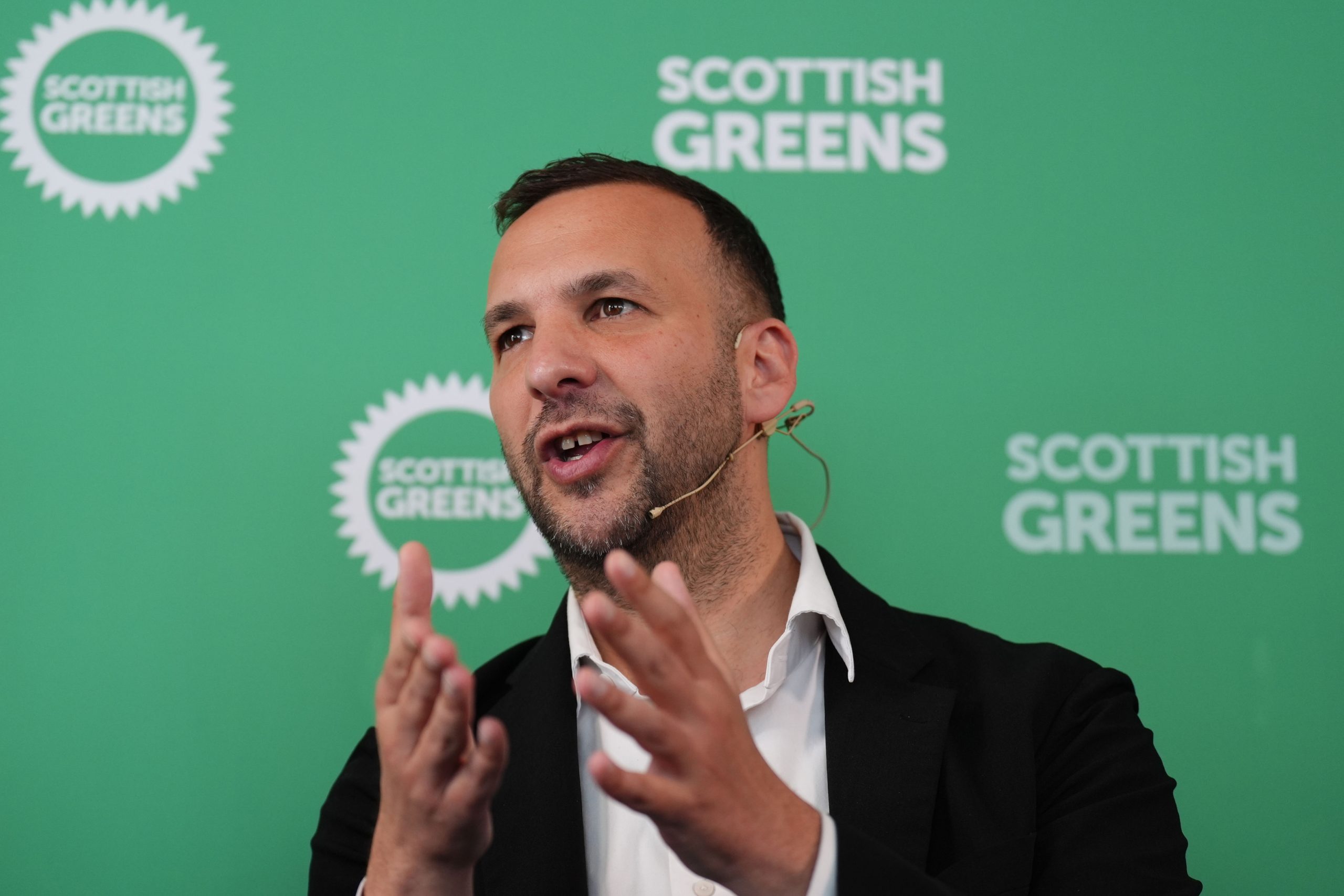
The incident didn’t just stay in the realm of policing; it quickly became a high-stakes political battle. Zack Polanski, the leader of the Green Party, found himself at the center of Starmer’s ire after resharing a post that accused the police of “repeatedly and violently kicking a mentally ill man.”
Starmer’s Scathing Critique
The Prime Minister did not mince words, labeling Polanski’s actions as “disgraceful.” Starmer went as far as to state that the Green leader was “not fit to lead any political party” for undermining the police during an active terror-related investigation.
Polanski’s Defense and the “Jewish Identity” Counter-Argument
While Polanski eventually apologized for “sharing a tweet in haste,” he did not take the Prime Minister’s criticism lying down. Polanski, who is Jewish, pointed out the irony of being attacked by the Prime Minister shortly after facing Nazi salutes during a political event in Hastings.
“Today the Prime Minister uses his office to attack the only Jewish party leader to score political points,” Polanski remarked. This exchange has highlighted the deep-seated tensions within UK politics regarding how to address antisemitism and police accountability simultaneously.
The Context of 2026: A “Severe” Terror Threat
The backdrop to this entire controversy is the heightened security state of the United Kingdom. In early 2026, the Joint Terrorism Analysis Centre (JTAC) raised the terror threat level to “severe,” meaning an attack is “highly likely.” This decision followed a string of antisemitic incidents that have left the Jewish community in London feeling increasingly isolated and targeted.
A “Pandemic” of Antisemitism
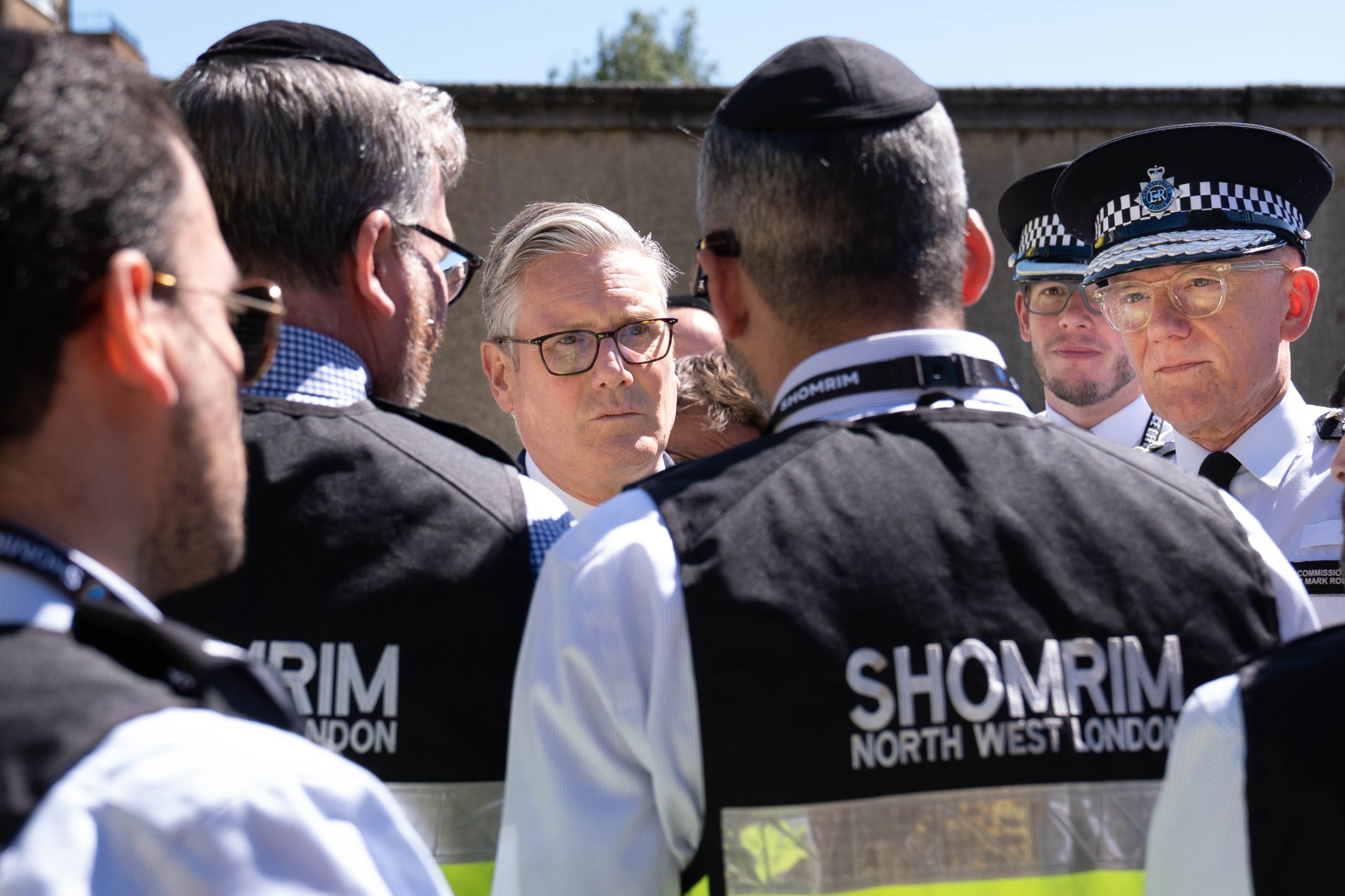
Metropolitan Police Commissioner Sir Mark Rowley has been vocal about the “pandemic” of antisemitism sweeping the capital. Following the Golders Green stabbings, Rowley expressed deep concern over the sustainability of current policing methods.
Community Protection: The Met has increased patrols in Jewish neighborhoods, but the strain on resources is visible.
Protest Pressures: Weekly protests in London have become a flashpoint for antisemitic rhetoric, leading Rowley to explore more aggressive restrictions on public demonstrations.
The Legal Response: Stephen Parkinson, the current Director of Public Prosecutions, has vowed to use the “full force of the law” to prosecute those committing hate crimes, emphasizing that these attacks are an assault on the “values of respect and tolerance.”
Analyzing the “Reasonableness” of Police Force
From a legal standpoint, the defense of the officers rests on the concept of “reasonable force.” Under Section 3 of the Criminal Law Act 1967, a person may use such force as is reasonable in the circumstances in the prevention of crime.
The Subjective-Objective Test
In 2026, the interpretation of “reasonableness” is heavily influenced by the intelligence environment. If an officer honestly believes a suspect is about to detonate a bomb, the use of a strike to the head to prevent that action is often legally defensible, even if it later turns out the suspect was unarmed or mentally ill.
Starmer’s defense leans heavily on this legal precedent. By asking the public to “imagine what it might be like” in those officers’ shoes, he is framing the narrative around the subjective fear of the officers rather than the objective footage seen by social media users.
Public Reaction and the Future of Policing
The reaction across the UK has been polarized. Supporters of the police argue that in an era of heightened terrorism, officers cannot afford to be “politically correct” when dealing with violent suspects. Conversely, human rights advocates worry that the Prime Minister’s blanket defense of the officers sets a dangerous precedent for police impunity.
Key Takeaways from the Golders Green Aftermath:
- Zero Tolerance for Antisemitism: The government is signaling a shift toward more aggressive prosecution and policing of hate crimes.
- Political Polarization: The rift between the Labour government and the Green Party has widened, with policing becoming a key wedge issue.
- Operational Shift: The Met Police are likely to seek more powers to restrict protests and demonstrations that they deem a threat to community cohesion.
Conclusion: A Nation on Edge
The Golders Green arrest and the subsequent defense by Sir Keir Starmer serve as a microcosm of the challenges facing the UK in 2026. Between the rising tide of antisemitism, the constant shadow of terrorism, and the debate over police tactics, the government is walking a tightrope.
While the footage of the arrest remains distressing to many, the Prime Minister has made his position clear: in the battle against violent extremism, he will stand by the officers on the front line. As the UK moves forward, the balance between civil liberties and national security will continue to be the most contested ground in British politics.