Severe Terror Alert 2026: Why MI5 Warns of Rising Threats to British Jews Amid Middle East Conflict

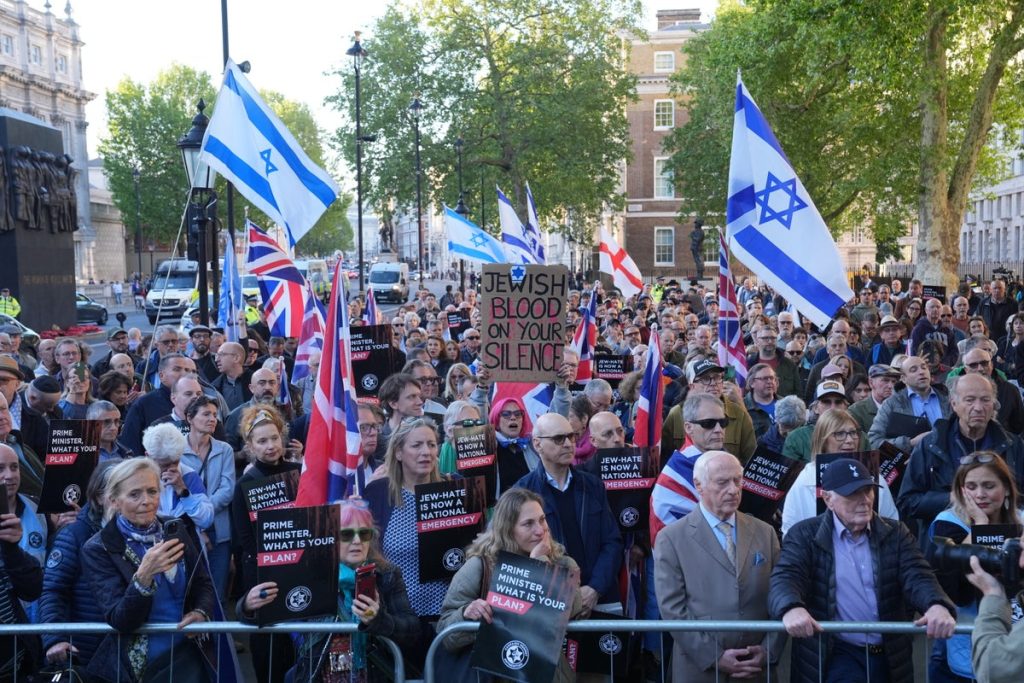
The security landscape of the United Kingdom has reached a critical turning point in 2026. Following a series of harrowing incidents and a rapidly deteriorating geopolitical situation in the Middle East, MI5 has officially raised the UK’s national terror threat level to “Severe.” This designation implies that a terrorist attack is now considered “highly likely” within the next six months.
At the heart of this heightened alert is a specific and growing danger directed toward British Jews and Israeli institutions. As the war involving the administrations of Donald Trump and Benjamin Netanyahu escalates abroad, the ripples of conflict are being felt acutely on the streets of London, Manchester, and beyond. This article explores the complexities of this “pandemic of antisemitism,” the strain on the Metropolitan Police, and the multi-pronged nature of modern extremist threats.
The Catalyst: Golders Green and the Shift to “Severe”
The decision to elevate the threat level was not made in a vacuum. While MI5 noted a gradual increase in extremist activity over several years, the tipping point arrived following a violent attack in Golders Green, a prominent hub for London’s Jewish community. The stabbing of two Jewish men in broad daylight sent shockwaves through the capital, serving as a grim reminder of the vulnerability of religious minorities during times of international upheaval.
Intelligence officials have clarified that while the Golders Green attacker may have had underlying mental health issues, the incident fits into a broader pattern of radicalization driven by social media consumption. The “Severe” status is intended not only to prepare emergency services but also to act as a deterrent against “copycat” attacks. By signaling that the state is on high alert, authorities hope to dissuade self-starting individuals from acting on violent impulses.
A “Pandemic of Antisemitism” on UK Streets
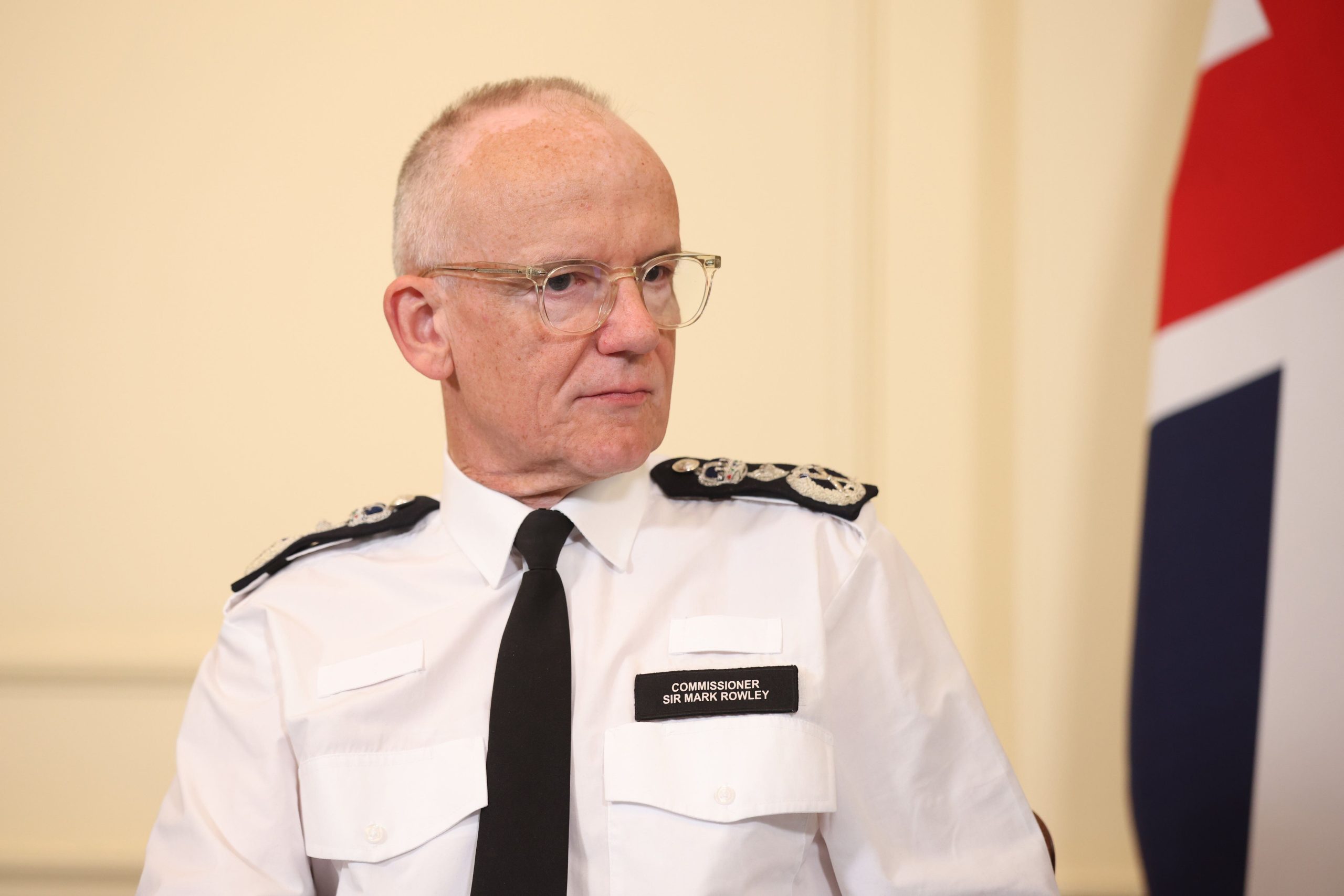
Metropolitan Police Commissioner Sir Mark Rowley has been vocal about the unprecedented challenges his force faces. In a series of stark briefings, he described the current rise in hate crimes as a “pandemic of antisemitism” that is stretching police resources to their breaking point.
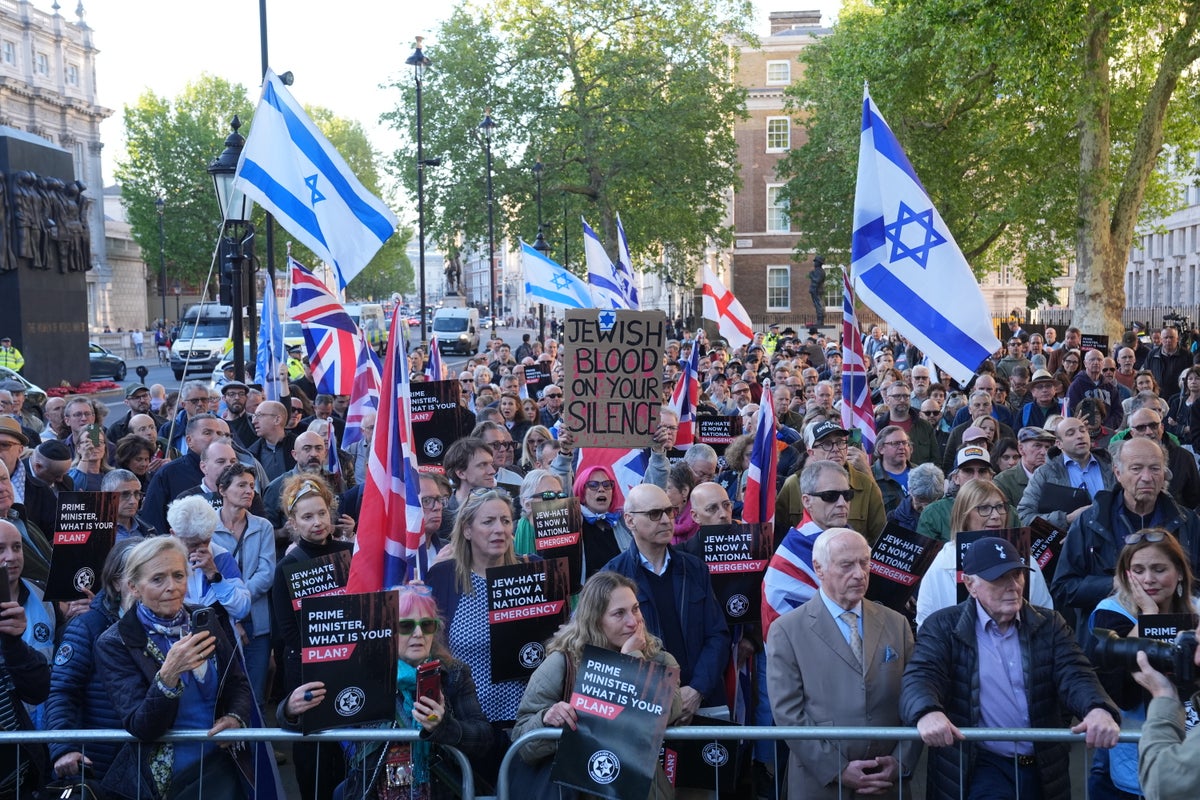
The Commissioner’s concerns are rooted in data. Since the escalation of the Middle East conflict in late 2025 and early 2026, the volume of reported antisemitic incidents has surged to record highs. This includes everything from online harassment and graveyard desecration to physical assaults and threats against Jewish schools.
The Policing Resource Gap
The Metropolitan Police is currently grappling with a significant personnel deficit. Statistics from early 2026 show that the force has approximately 31,000 officers—a decrease of over 2,000 since 2024. To effectively manage the “uptick in policing” required to protect Jewish communities, Sir Mark has stated he needs:
An additional 300 officers dedicated specifically to community safety.
Increased firearms support for high-risk Israeli and Jewish institutions.
Urgent government funding to sustain long-term patrols.
While the Home Office recently announced a £25 million investment into security patrols, police leadership argues that this is merely an “interim” solution. Without a permanent increase in boots on the ground, the ability to monitor protests and prevent “lone wolf” attacks remains compromised.
The Geopolitical Driver: The Trump-Netanyahu War
The 2026 security crisis is inextricably linked to the shifting dynamics of the Middle East. The alliance between U.S. President Donald Trump and Israeli Prime Minister Benjamin Netanyahu has led to a full-scale military confrontation involving Gaza and, more significantly, Iran.
MI5’s assessment highlights that this conflict has created a “febrile atmosphere” globally. In the UK, this manifests as a dangerous conflation of geopolitical grievances with local religious identity. Intelligence sources suggest that “angry people are easily influenced,” and British Jews are increasingly being unfairly targeted as proxies for the actions of the Israeli state.
The Role of State-Linked Threats
One of the most concerning aspects of the 2026 threat landscape is the involvement of foreign states. MI5 has warned of a “sustained and significant tempo” of state-linked threats.
- Iran: Intelligence committees have disrupted over 20 Tehran-linked plots since 2022. In 2026, these plots have pivoted from targeting Iranian dissidents to focusing on Jewish and Israeli individuals in the UK.
- Russia: Security experts believe Russia is exploiting the Middle East crisis to carry out “destabilising operations” across Europe, using the chaos to further polarize Western societies.
The Multi-Pronged Ideological Threat
Unlike previous eras where a single group like ISIS dominated the threat landscape, 2026 is characterized by a “complexity of ideologies.” MI5 Director General Ken McCallum has noted that the threat is now coming from “all sides.”
Islamist Extremism
The conflict in Gaza and Iran remains a primary driver for Islamist radicalization. The “revenge” narrative is frequently used in extremist circles to justify attacks on Jewish civilians. The speed at which individuals can move from “interest” to “action” has accelerated due to the proliferation of high-definition combat footage on social media.
Extreme Right-Wing (ERW) Terror
Simultaneously, the UK is seeing a resurgence in extreme right-wing activity. These groups often use the Middle East conflict as a pretext to stoke racial tensions and promote “accelerationist” ideologies—the belief that violent attacks will eventually lead to the collapse of the modern state.
The “Lone Wolf” Challenge
Perhaps the hardest threat to track is the “self-starting lone wolf.” These individuals often have no direct link to organized terror cells, making them invisible to traditional surveillance. They are radicalized in the privacy of their homes, fueled by algorithms that prioritize inflammatory content. As one intelligence official noted, “It is the self-starter who is hardest to track and easiest to influence.”
Comparing 2026 to Previous Years
The last time the UK faced a “Severe” threat level was in November 2021, following the tragic murder of Sir David Amess and the Liverpool Women’s Hospital bombing. However, analysts suggest the 2026 situation is more volatile.
In 2021, the threat was largely centered on domestic grievances and remnants of ISIS influence. In 2026, the interconnectedness of state-sponsored espionage, social media radicalization, and a direct international war has created a “perfect storm.” The current threat is not just about physical violence; it is about the erosion of social cohesion and the safety of the UK’s democratic fabric.
How the Public Should Respond
In light of the raised threat level, Sir Mark Rowley and counter-terrorism officials have offered clear guidance for the public:
Be Alert, Not Alarmed: The public is encouraged to go about their daily lives but to remain vigilant in crowded places or near sensitive sites.
Report Suspicious Activity: The “Action Counters Terrorism” (ACT) initiative remains the primary channel for reporting concerns.
Digital Hygiene: Citizens are urged to be wary of misinformation and “deepfake” content originating from the Middle East, which is often designed to incite domestic violence.
Conclusion: A Summer of Vigilance
As we move further into 2026, the UK finds itself at a crossroads. The “Severe” terror threat is a sobering reminder that international conflicts are no longer contained by borders. The safety of the British Jewish community has become a litmus test for the UK’s ability to maintain order and tolerance in an increasingly polarized world.
While the “unseen, long, thankless hours of slog” by MI5 and counter-terrorism police continue behind the scenes, the demand for more resources and better community protection has never been louder. The coming months will determine whether the UK can successfully dampen the flames of domestic extremism or if the “pandemic of antisemitism” will continue to escalate alongside the wars in the Middle East.