The Pillars of Impartiality: Why Chief Justice Richard Wagner Refused Recusal in the Emergencies Act Appeal

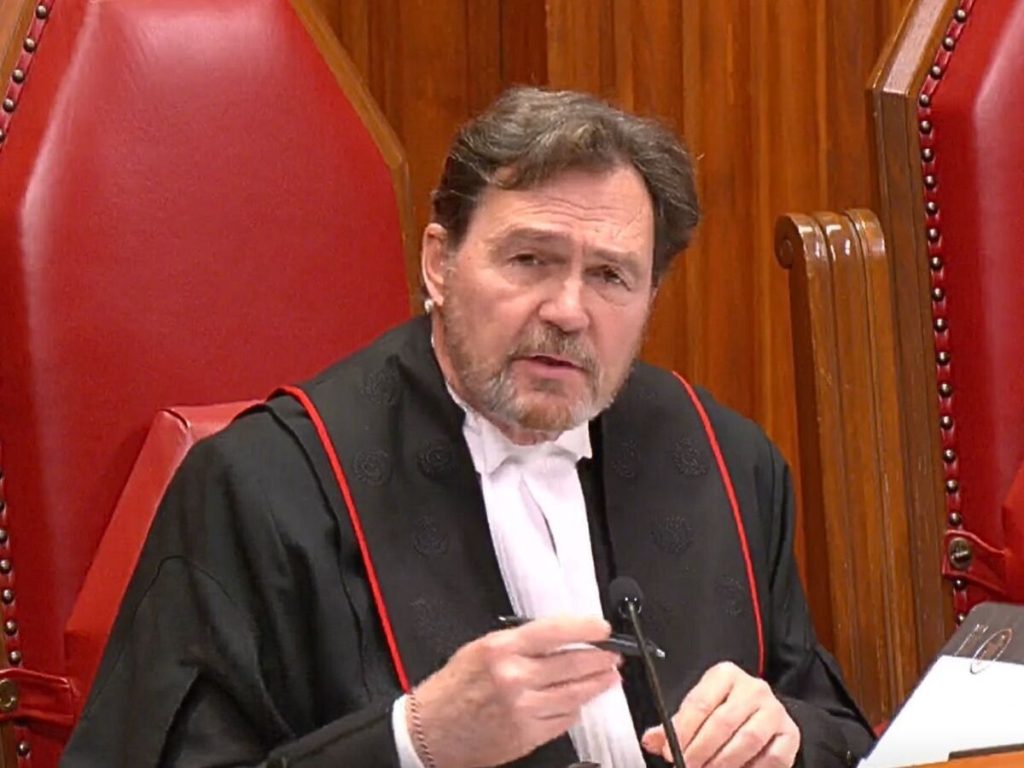
As we navigate the complex legal landscape of 2026, the echoes of the 2022 Freedom Convoy continue to resonate through the hallowed halls of the Supreme Court of Canada. In a move that has sparked intense debate among legal scholars and civil liberties advocates alike, Chief Justice Richard Wagner has officially dismissed a request to recuse himself from the upcoming Emergencies Act appeal.
This decision marks a pivotal moment in Canadian jurisprudence, highlighting the delicate balance between a judge’s right to comment on public order and the strict requirements of judicial impartiality. The request for recusal, filed by the Canadian Frontline Nurses (CFN) and activist Kristen Nagle, argued that Wagner’s past descriptions of the Ottawa protests created a “reasonable apprehension of bias.” However, the Chief Justice stands firm, asserting that his role in the nation’s highest court remains untainted by his previous observations.
The Core of the Controversy: “The Budding Start of Anarchy”
The friction began shortly after the 2022 protests concluded. In an April 2022 interview with the Montreal-based newspaper Le Devoir, Chief Justice Wagner used pointed language to describe the events unfolding on Wellington Street. He characterized the occupation as the “budding start of anarchy,” suggesting that protesters had taken Ottawa residents “hostage” and were attempting to bypass the democratic system.
For the CFN and their legal counsel, these words were not merely descriptive; they were indicative of a predetermined mindset. Their application for recusal argued that:
The comments expressed a negative bias against the protesters.
Such statements could undermine public confidence in the court’s ability to remain neutral.
The Chief Justice had effectively “judged” the participants before the legal merits of the Emergencies Act’s invocation reached his bench.
In response, Supreme Court registrar Chantal Carbonneau issued a letter stating that Wagner had carefully considered the request but found no legal basis for his removal. The Chief Justice clarified that his comments were directed at the disruption of public order and the “ignorance” of the law, rather than the specific legal validity of the Emergencies Act, RSC 1985, c 22.
Understanding the “Reasonable Apprehension of Bias” Test
In Canadian law, the threshold for recusing a judge is high. It is not enough for a party to feel that a judge is biased; they must prove a “reasonable apprehension of bias” from the perspective of an informed, reasonable, and right-minded person.
Wagner’s defense hinges on the distinction between commenting on societal conduct and commenting on legislative interpretation. By his estimation, criticizing the “deplorable” impact of blockades on vulnerable citizens does not prevent him from objectively deciding whether the federal government met the high legal bar required to trigger the Emergencies Act.
The Federal Court’s Previous Rulings
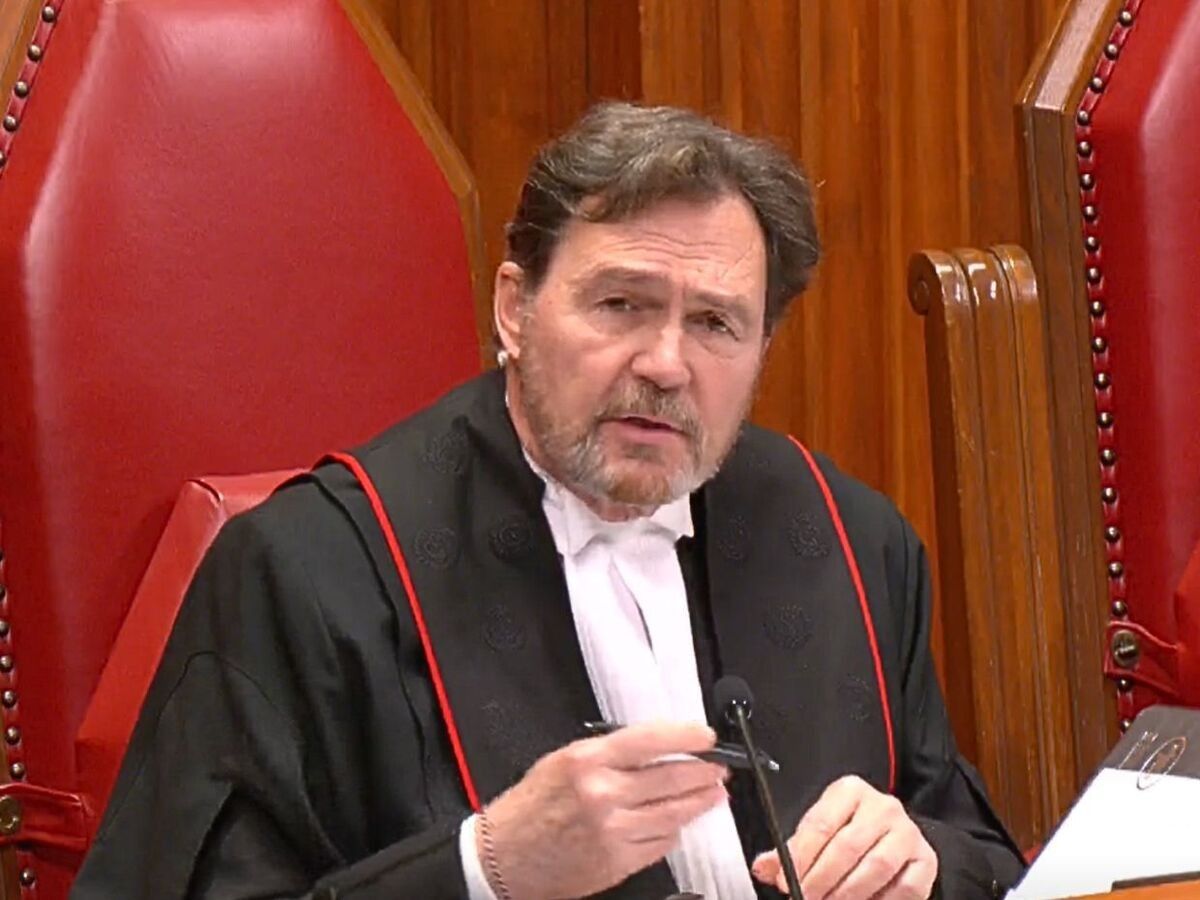
To understand why this appeal is so high-stakes in 2026, we must look back at the lower court decisions. Two separate rulings previously found that the Liberal government’s use of the Emergencies Act was unjustified and unconstitutional. The courts ruled that the situation in 2022 did not meet the definition of a “national emergency” that could not be handled by existing provincial or federal laws.
The federal government’s application for leave to appeal to the Supreme Court is an attempt to overturn these stinging defeats. If the Supreme Court agrees to hear the case, it will be the final word on whether the extraordinary powers used to freeze bank accounts and dismantle blockades were a lawful exercise of state power or a historic overreach.
A Tale of Two Justices: Wagner vs. Jamal
The legal community has been quick to compare Wagner’s refusal to the 2024 decision of Justice Mahmud Jamal. In a case involving Quebec’s controversial secularism law (Bill 21), Jamal chose to step aside. While he maintained there was no legal basis for his recusal, he did so to “avoid his participation becoming a distraction.”
Wagner has taken a different path. By refusing to recuse himself, he is signaling a commitment to the integrity of the judicial process, suggesting that judges should not be easily chased off cases by the mere mention of past public statements. However, critics argue that this stance risks alienating a segment of the public that already views the 2022 events through a deeply polarized lens.
Why This Matters for Judicial Independence in 2026
The role of the Chief Justice is not just to adjudicate, but to protect the Rule of Law. In 2026, trust in institutions is a fragile commodity. The refusal to recuse suggests a few key things about the current state of the Supreme Court:
- Strict Adherence to Protocol: The court is prioritizing established legal tests over the “optics” of public perception.
- Judicial Resilience: Judges are asserting their right to participate in public discourse without forfeiting their bench seats on related issues.
- Finality: By dismissing the request now, the court avoids a protracted “mini-trial” regarding Wagner’s impartiality, allowing the focus to remain on the constitutional merits of the Emergencies Act itself.
The Role of the Canadian Judicial Council (CJC)
It is worth noting that this isn’t the first time Wagner’s comments have been scrutinized. In late 2022, the Canadian Judicial Council—an organization Wagner actually presides over—dismissed a complaint regarding the Le Devoir interview. At the time, the CJC argued the issue was “hypothetical” because the Emergencies Act case hadn’t reached the Supreme Court.
Now that the case is at the doorstep of the highest court, that “hypothetical” has become a reality. The fact that the CJC previously cleared him provides a layer of institutional protection, though it does little to satisfy the groups who feel the Chief Justice has already “picked a side.”
What’s Next for the Emergencies Act Appeal?
As we move further into 2026, the Supreme Court must decide whether to grant leave to appeal. This is the “gatekeeping” phase where the justices determine if the case is of public importance.
If the court takes the case:
A panel of nine judges (including Wagner) will hear arguments from the federal government, civil liberties groups, and the CFN.
The focus will be on the Section 2 Charter rights (freedom of expression and assembly) and whether the government’s actions were “demonstrably justified in a free and democratic society.”
The verdict will set a precedent for how future governments can respond to large-scale civil disobedience.
Implications for the “Freedom Convoy” Legacy
The Freedom Convoy remains one of the most divisive chapters in modern Canadian history. For those who viewed the protests as a legitimate stand against government overreach, Wagner’s presence on the bench feels like an uphill battle. For those who saw the protests as a threat to the democratic order, his comments were a necessary defense of Canadian values.
Regardless of one’s stance, the legal finality of the Supreme Court is essential. By staying on the case, Chief Justice Wagner is betting that the strength of his legal reasoning in the final judgment will outweigh the controversy of his past remarks.
Conclusion: The Weight of the Gavel
The dismissal of the recusal request ensures that the Wagner Court will handle this case in its full capacity. While the Canadian Frontline Nurses expressed disappointment, the decision reinforces the high bar required to remove a sitting justice from a case.
In the coming months, all eyes will be on Ottawa. The Emergencies Act appeal isn’t just about a protest that happened years ago; it’s about the limits of state power and the impartiality of the individuals we trust to define those limits. Chief Justice Richard Wagner has made his choice: he will not step aside, and he will lead the court through what may be the most significant constitutional test of the decade.