Canada’s Silent Strategic Shift: Inside the Secret $1.1B HIMARS Procurement Deal

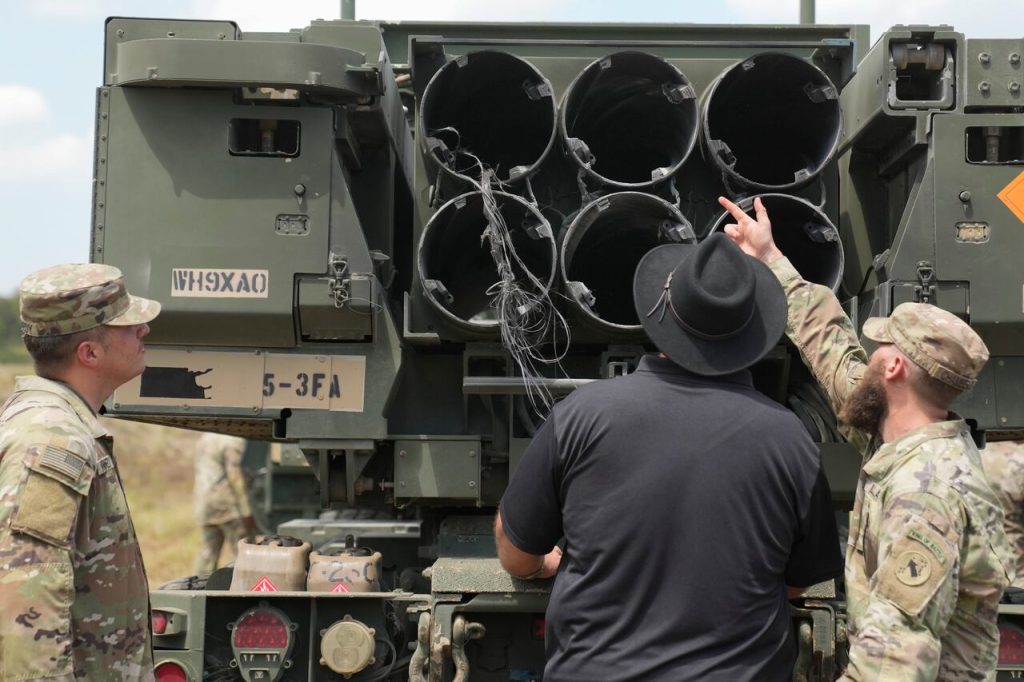
In a move that has caught both political analysts and the Canadian public by surprise, the Pentagon recently unveiled that Canada is officially locked into a major procurement contract for the M142 High Mobility Artillery Rocket System (HIMARS). While the Canadian government has maintained a period of notable silence, a U.S. Department of War contracting notice has confirmed that Ottawa is part of a broader $1.1-billion agreement with Lockheed Martin to manufacture these advanced, battle-proven artillery systems.
This development marks a significant pivot in Canadian military modernization, yet the lack of a formal announcement from the Liberal government has sparked intense debate. As the geopolitical landscape shifts in 2026, the inclusion of Canada alongside allies like Australia, Estonia, Sweden, and Taiwan signals a clear commitment to long-range precision strike capabilities—despite the government’s previous rhetoric regarding domestic industrial spending.
The Hidden Deal: What the Pentagon Notice Reveals
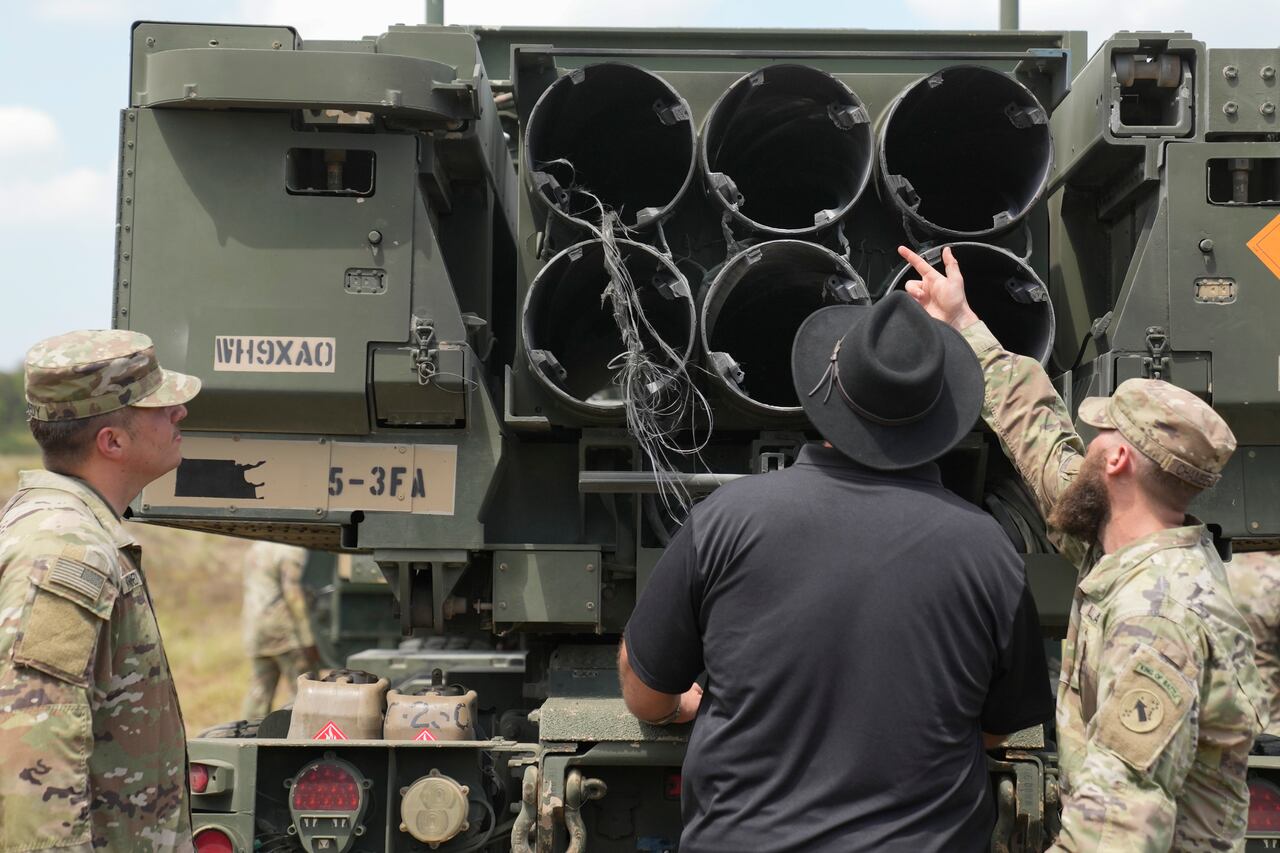
The Pentagon’s announcement, released just this week, clarifies that the $1.1-billion contract covers the production of 17 HIMARS units. These systems are slated for completion by April 2028. While the total number of units destined for the Canadian Armed Forces remains a subject of speculation, the agreement confirms that the formal paperwork—and likely the necessary financial down payments—have been processed behind closed doors.
Why the Silence from Ottawa?
Political experts suggest that the government’s decision to keep this purchase under wraps stems from a desire to avoid the optics of heavy reliance on U.S. defense manufacturing. Prime Minister Mark Carney has previously campaigned on the promise of prioritizing Canadian-made military kit and reducing the “political spectacle” of frequent, high-profile defense acquisitions from Washington.
Sources indicate that a public statement was drafted early in 2026 but was abruptly shelved. The timing of this retraction coincided with the release of Canada’s national defence industrial strategy, which heavily emphasized bolstering local production. By failing to announce the HIMARS deal, the government likely sought to avoid a direct contradiction between its “Buy Canadian” messaging and the reality of purchasing sophisticated American-made hardware.
HIMARS: A Battlefield Necessity for the Canadian Army
The necessity of the HIMARS platform has been a point of consensus among top military brass. Lt.-Gen. Mike Wright, commander of the Canadian Army, has been vocal about the system’s role in future land operations. The HIMARS is not just a luxury; it is viewed as an essential component for defending Canadian troops stationed in Latvia and ensuring the overall modernization of the Armed Forces.
Proven Combat Effectiveness
The HIMARS has become the gold standard for long-range precision strikes, largely due to its performance in the ongoing conflict in Ukraine. The system offers several distinct advantages:
Rapid Mobility: The M142 is designed for quick deployment, allowing it to “shoot and scoot,” which minimizes the risk of counter-battery fire.
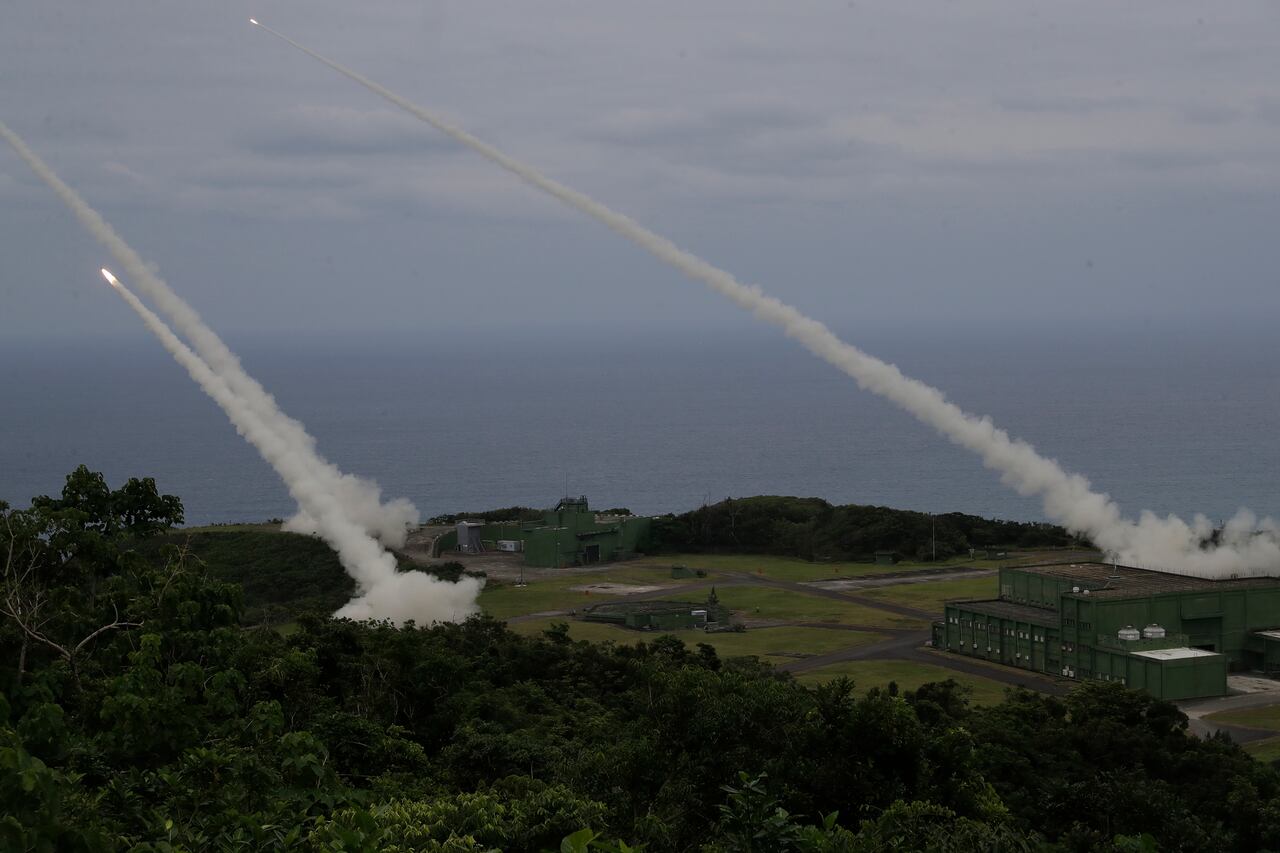
Precision Accuracy: With GMLRS and ATACMS capabilities, the system provides surgical strike precision that conventional tube artillery cannot match.
- Interoperability: By adopting the HIMARS, Canada aligns its fire-support capabilities with its NATO partners, ensuring seamless integration in multinational operations.
Navigating Geopolitical Tensions and Supply Chain Risks
The 2026 global environment is significantly more volatile than in previous years. With ongoing tensions involving the war with Iran and shifting trade policies under the current U.S. administration, the security of defense supply chains has become a primary concern for Ottawa.
The Impact of U.S. Export Priorities
Recent reports indicate that U.S. Secretary of War Pete Hegseth has already moved to suspend the delivery of certain munitions to allies like Estonia to prioritize Washington’s own inventory requirements. While Gen. Jennie Carignan has stated that she is currently unaware of any specific delays affecting Canada, the fragility of these delivery timelines remains a point of concern.
The paradox for the Canadian government is clear: while they aspire to achieve greater military autonomy, the current security climate dictates a continued reliance on U.S. defense giants. As defense expert Dave Perry noted, there is a “concrete contradiction” between the government’s stated goals of shifting spending to Canadian soil and the reality of these multi-billion-dollar U.S. contracts. However, given that many of these procurement decisions were set in motion years ago, a rapid pivot is unlikely.
What’s Next for Canadian Defense Procurement?
As the 2028 delivery deadline approaches, the Canadian government will eventually have to address the HIMARS acquisition publicly. Whether this occurs during a formal budget update or as part of a larger defense review remains to be seen.
The Path Forward:
- Transparency: Public confidence in defense spending relies on clear communication regarding how taxpayer dollars are being allocated.
- Strategic Integration: The focus must now shift to training personnel and integrating these systems into the Canadian Army’s existing command-and-control infrastructure.
- Industrial Offsets: Moving forward, Ottawa will need to work closely with Lockheed Martin to ensure that, where possible, Canadian firms are involved in the maintenance, software development, and sustainment of these systems to satisfy domestic industrial growth targets.
In conclusion, the quiet procurement of the HIMARS reflects the complex balancing act the Canadian government faces in 2026. While the desire to cultivate a domestic defense industrial base is laudable, the requirement for world-class, interoperable, and battle-ready equipment means that partnerships with the United States remain the cornerstone of Canada’s national security strategy. The HIMARS deal, though handled with unusual discretion, represents a necessary upgrade that will define the Canadian Army’s capabilities for the next decade.