Iran-US War Live: Tehran Air Defenses Engage Drones Amid Stalled Peace Talks

The geopolitical landscape of the Middle East remains in a state of high volatility as of April 2026. Reports from the semi-official Tasnim news agency confirm that Iran’s air defense systems were actively engaging unidentified small drones over the capital, Tehran, late into the night. This flare-up of hostilities occurs against a backdrop of a two-month-old conflict that has sent global markets into a tailspin, with oil prices surging past $123 a barrel.
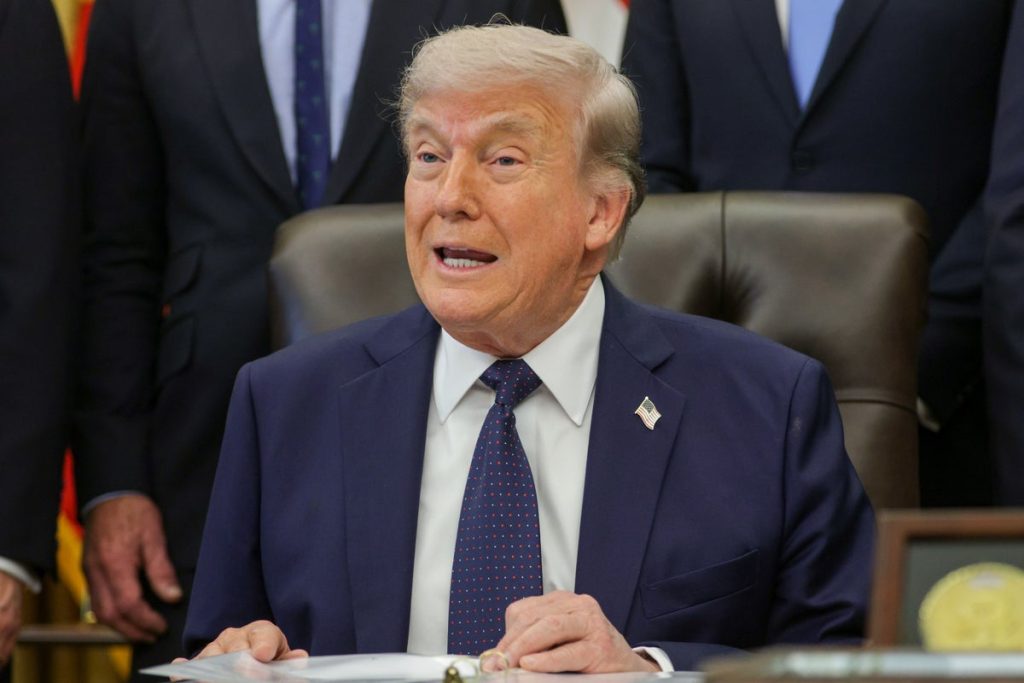
As the conflict enters its 62nd day, the administration of President Donald Trump faces mounting pressure. While the White House claims that the Iranian military has been effectively neutralized, the persistent presence of drones over the capital suggests that the conflict is far from a simple mop-up operation.
The Stalled Peace Process and Leadership Vacuum
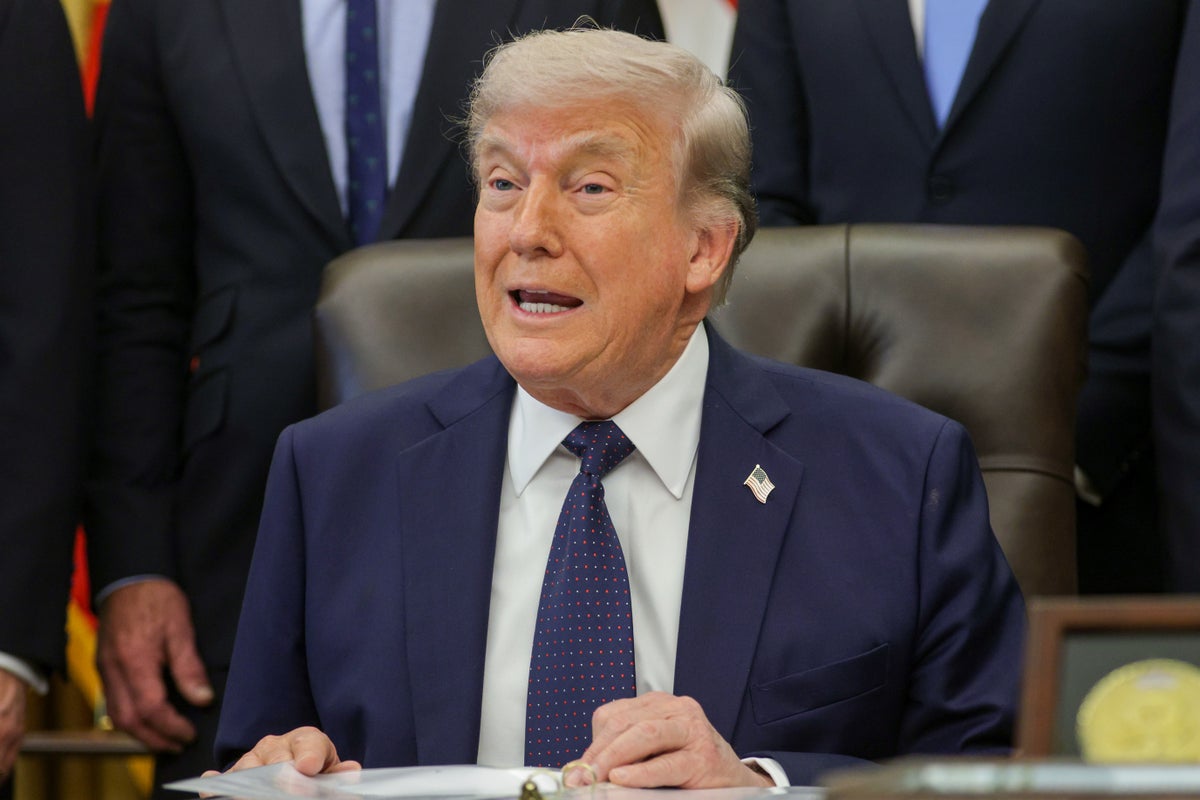
President Trump has publicly stated that Tehran is desperate for a deal, yet he argues that the peace process is stalled because the current Iranian leadership structure is opaque. Following the reported death of Supreme Leader Ayatollah Ali Khamenei in the early days of the conflict, the internal power dynamics in Tehran have shifted significantly.
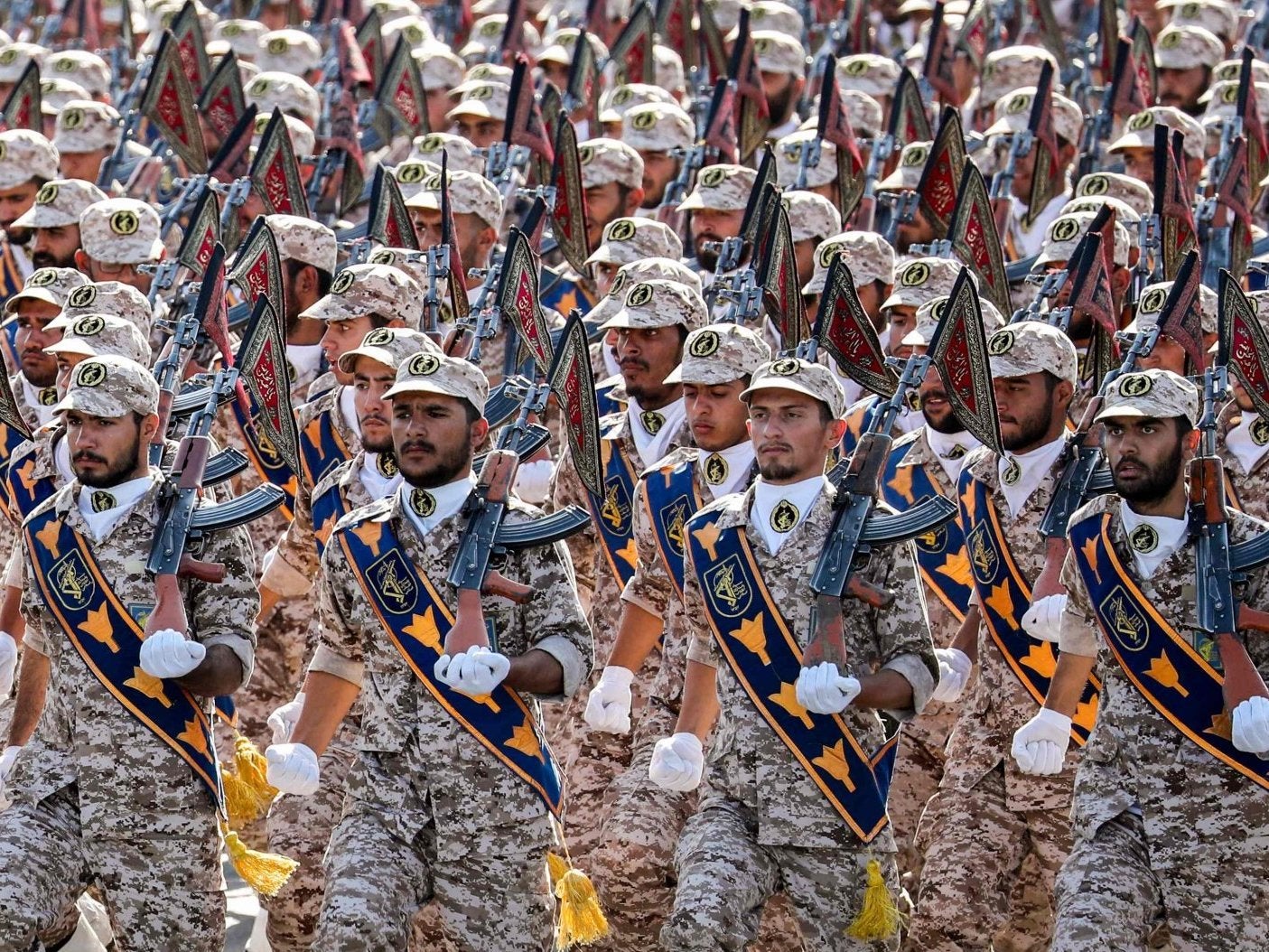
Intelligence reports and analysts suggest that the Islamic Revolutionary Guard Corps (IRGC) has consolidated power, effectively sidelining traditional political figures. This internal power struggle has created a “leadership vacuum” that hampers diplomatic efforts, as the US struggles to find a reliable counterpart for ceasefire negotiations.
The Economic Toll: $25 Billion and Rising
The financial reality of the “Operation Epic Fury” has become a central point of contention in Washington. During a recent congressional briefing, Pentagon officials confirmed that the conflict has already cost the US taxpayer $25 billion. The majority of these expenditures have been funneled into high-end munitions, raising questions about the sustainability of the war effort.
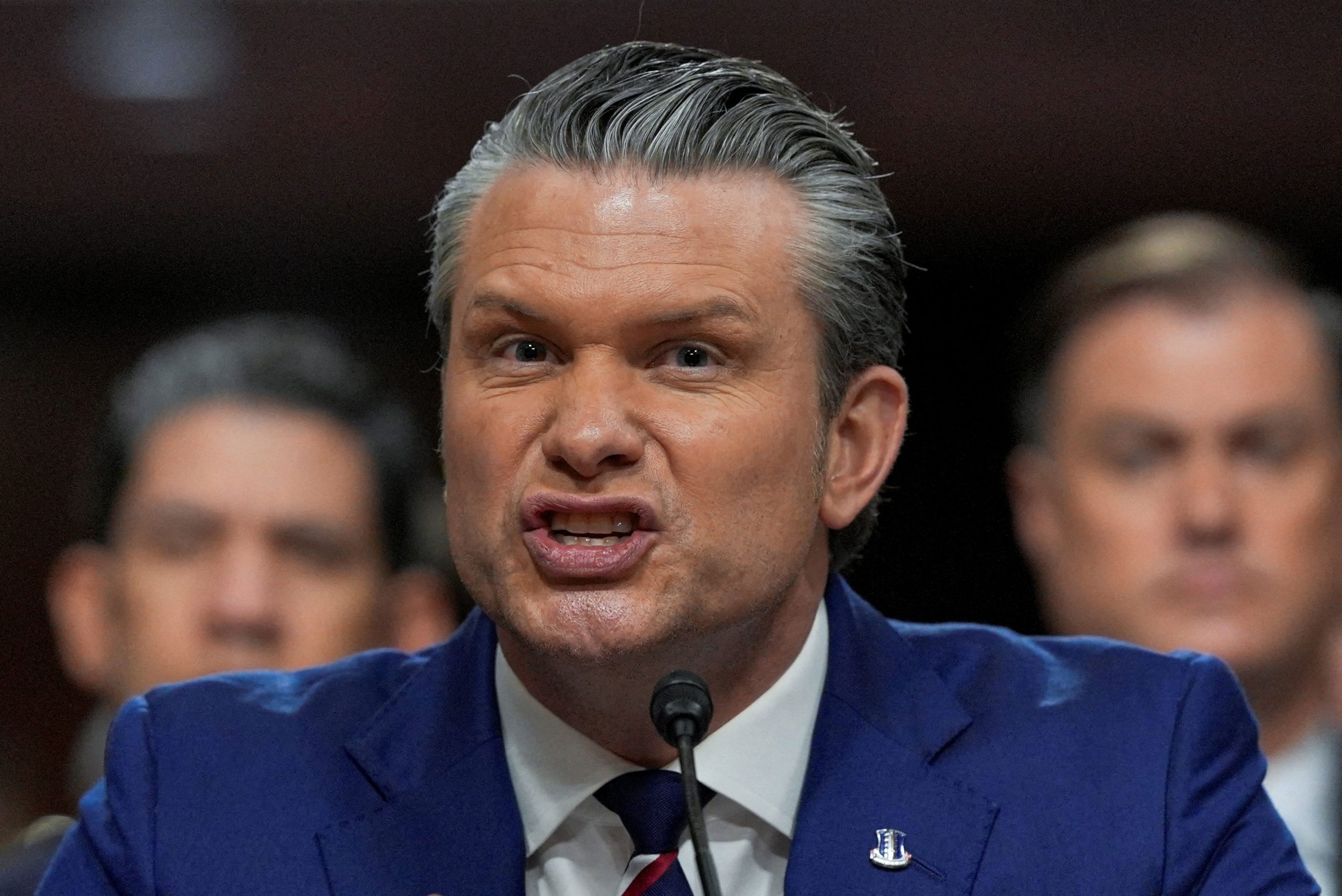
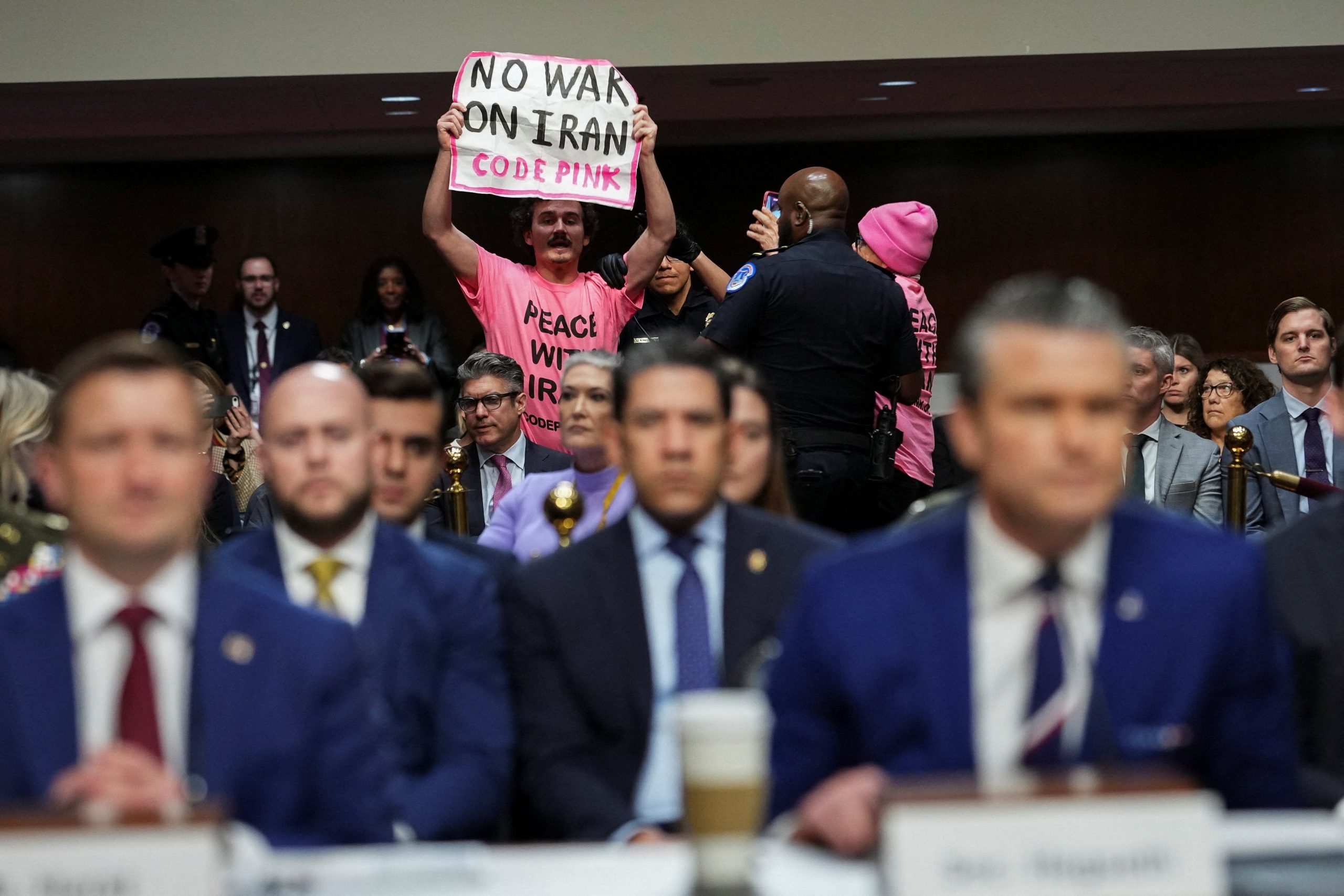
Defense Secretary Pete Hegseth has defended these costs, framing them as a necessary investment to prevent Iran from acquiring nuclear capabilities. However, during his grilling by Senate Democrats, Hegseth faced sharp criticism regarding his “no mercy, no quarter” rhetoric, which some lawmakers argue could be interpreted as a violation of the Hague Convention.
International Friction: The NATO Dilemma
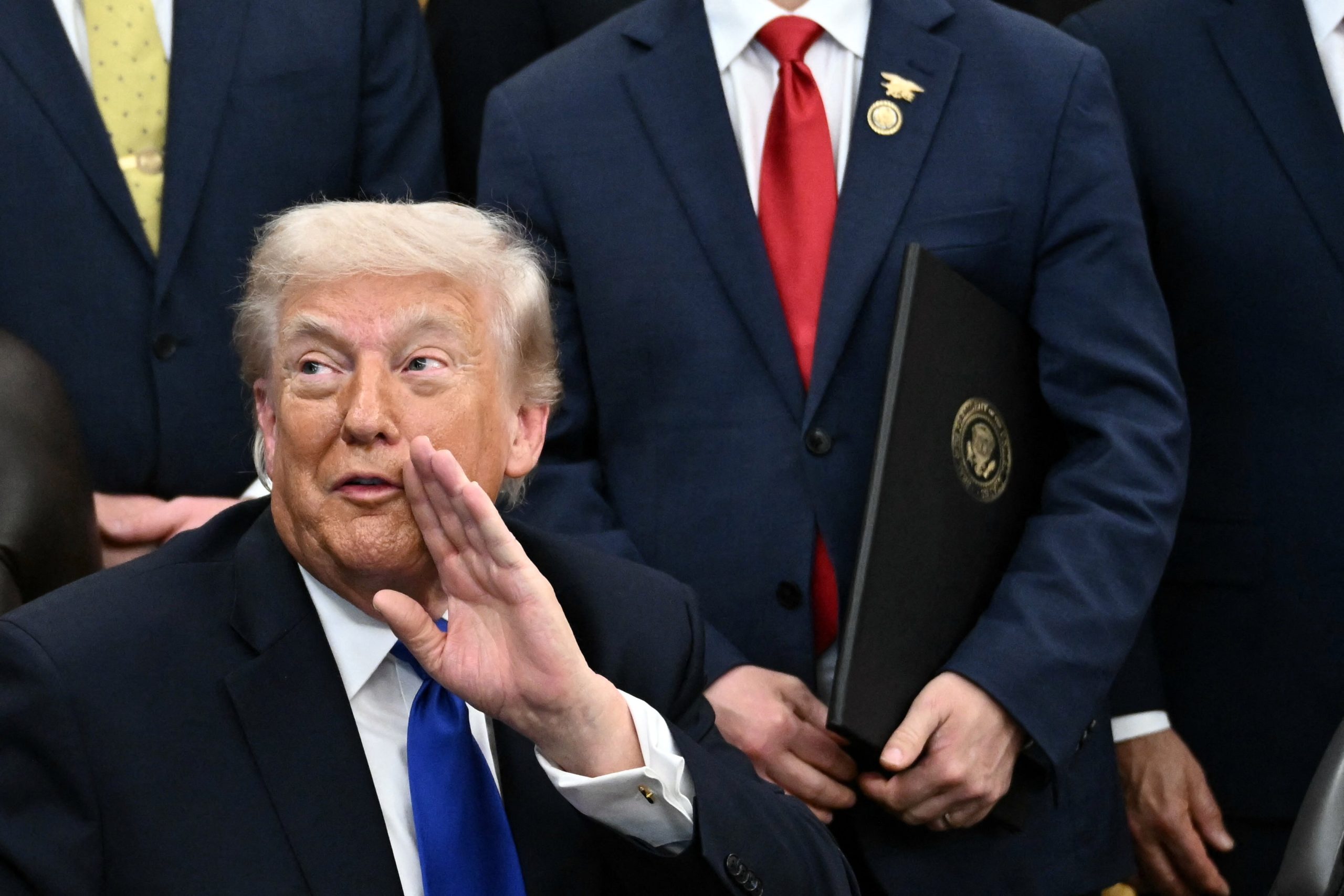
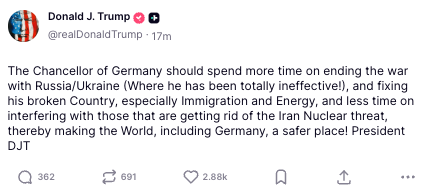
President Trump’s foreign policy approach has strained relations with traditional allies. The President has publicly clashed with German Chancellor Friedrich Merz, demanding that Berlin focus on its own domestic issues—specifically energy and immigration—rather than interfering in the US-led Iran strategy.
Furthermore, Trump has hinted at the possibility of withdrawing US troops from Italy and Spain, citing their lack of support for the US naval blockade in the Strait of Hormuz. This blockade, which the President has jokingly referred to as the “Strait of Trump” on social media, remains a critical choke point for global trade.
The Strategic Importance of the Strait of Hormuz
The ongoing naval blockade is designed to squeeze the Iranian oil industry, which serves as the primary funding mechanism for the state. Analysts note that Tehran is struggling to store its crude, as export routes remain locked down by US naval assets.
Despite the blockade, Iran continues to utilize its “mosquito fleet”—a collection of small, agile vessels—to harass shipping and maintain a presence in the waterway. The US military’s reliance on expensive missile systems to intercept low-cost Iranian drones has sparked a debate about the cost-benefit ratio of modern asymmetric warfare.
What’s Next: Escalation or Resolution?
As the 60-day threshold of the War Powers Act approaches, the White House is under legal pressure to either seek congressional authorization or justify a continuation of military action. While the administration argues that the current state of “ceasefire” pauses the clock, many legal experts in Congress remain unconvinced.
Future military options currently being briefed to the President include:
“Short and powerful” waves of infrastructure strikes.
The potential deployment of ground forces to secure the Strait of Hormuz.
- Special operations to seize remaining enriched uranium stockpiles.
Conclusion: A Fragile Standstill
The situation on the ground in Tehran, marked by the recent drone activity, reflects a regime that refuses to concede despite significant military setbacks. The US remains in a precarious position where military dominance has not yet translated into the political stability required to end the conflict.
As the world watches the 2026 World Cup preparations and the looming energy crisis, the question remains: can the US force a surrender, or will the conflict descend into a protracted, multi-year struggle? With oil prices hovering at multi-year highs and diplomatic channels clogged by internal power struggles, the path to peace appears narrower than ever.