The Springhill Shootings: Seeking Truth and Justice After Five Decades

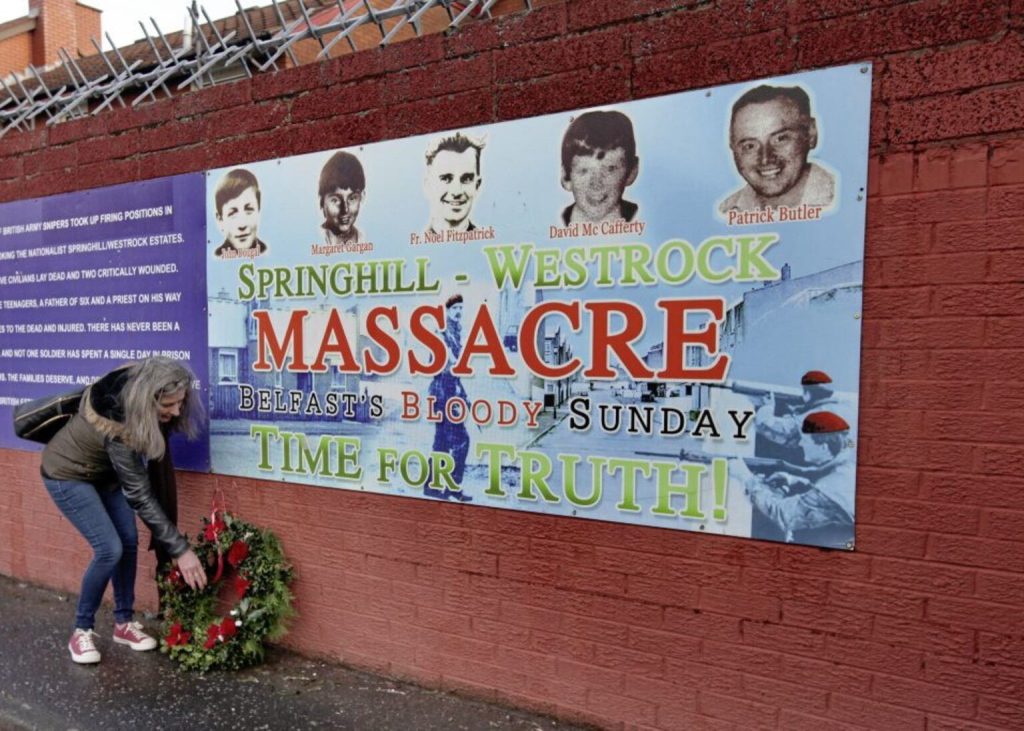
The history of “The Troubles” in Northern Ireland is marked by numerous tragedies, but few have left as deep a scar on the local community as the Springhill shootings. Occurring on July 9, 1972, this incident resulted in the deaths of five innocent civilians, including three teenagers and a priest. For over 54 years, the families of those killed have campaigned for accountability, challenging the initial 1973 findings that left them with more questions than answers.
As we look back from 2026, the Springhill massacre remains a poignant reminder of the complexities of legacy justice. The recent inquest, which concluded in 2024, serves as a testament to the persistence of families who refused to let their loved ones be forgotten by history.
Understanding the Springhill Massacre: A Day of Chaos
The shootings took place during the height of the conflict in Northern Ireland, specifically during the year that is widely considered the bloodiest of the entire era. July 9, 1972, was a day of intense volatility. An IRA ceasefire had recently broken down, leading to widespread civil unrest, particularly in the Lenadoon area of West Belfast.

Amidst this atmosphere of fear and confusion, the Springhill estate became the site of a fatal confrontation. The British Army, present in the area to maintain order, engaged in gunfire that resulted in the deaths of five people. While the military at the time claimed they were returning fire at gunmen, the families of the victims have consistently maintained that those killed were innocent civilians caught in the crossfire or targeted without justification.
Who Were the Five People Killed?
The victims of the Springhill shootings were ordinary people whose lives were cut short in a single, devastating moment. Their stories have been the driving force behind the pursuit of an updated inquest for over five decades.

The five individuals who lost their lives were:
- Margaret Gargan (13): A young girl whose life was stolen in her early teens, becoming a symbol of the tragic toll the conflict took on children.
- David McCafferty (15): A teenager whose death devastated his family and highlighted the vulnerability of youth in the West Belfast estates during the 70s.
- John Dougal (16): Another young life lost, leaving behind a grieving community that demanded answers for years.
- Patrick Butler (38): A father-of-six, his death left a massive void in his family structure and served as a reminder that the violence did not distinguish between ages.
- Father Noel Fitzpatrick (42): A local Catholic priest who was attempting to provide aid and comfort in the area when he was fatally wounded.
The Long Road to an Inquest
Following the original 1973 inquest, which returned an open verdict, the families were left in a state of limbo. An open verdict essentially meant that the cause of death could not be definitively determined, leaving the families to wonder whether the state would ever acknowledge the truth.
In 2014, Northern Ireland’s Attorney General finally ordered a new inquest. This decision was a significant victory for the families, who had spent decades gathering evidence and raising awareness about the “indiscriminate and unjustified” use of force they believed was employed by the British Army.
The Legacy Act and the Race Against Time
The road to the 2024 conclusion was not easy. The inquest faced immense pressure due to the British government’s Legacy Act, which introduced a “guillotine” on many conflict-related court cases. The families and their legal teams were forced to navigate a narrow window of time to ensure their case was heard before the May 1 deadline. This race against time added a layer of “hope and apprehension” for the families involved, as they feared the truth might be buried by legislative changes.
Why the Springhill Shootings Matter Today
In 2026, the Springhill case serves as a vital case study in the broader conversation about Northern Ireland’s post-conflict reconciliation. It highlights the tension between “legacy” laws—which often aim to draw a line under the past—and the fundamental human need for families to have the truth officially recorded.
Key Takeaways from the Inquest:
- Accountability: The inquest sought to determine if the fatalities were caused by the British Army or paramilitaries, directly challenging the military’s version of events from 1972.
- Community Resilience: The families’ unwavering commitment to the truth serves as a powerful example of how local communities in Northern Ireland have organized to demand justice.
- Historical Accuracy: By revisiting cases from the 1970s, the legal system has been able to provide a more nuanced understanding of the violence that plagued West Belfast.
Analysis: The Impact of the Findings
The findings delivered in 2024 provided the closure that the families had been seeking for half a century. While no legal verdict can bring back the lives of Margaret, David, John, Patrick, and Father Noel, the official recognition of the circumstances surrounding their deaths is a crucial step in the healing process.
It is clear that the Springhill shootings were not an isolated incident of “collateral damage” but a defining moment that forced a community to confront the reality of the British Army’s presence in West Belfast. The inquest findings have helped transform the narrative from one of suspicion and open questions to one of documented history.
Conclusion
The story of the Springhill shootings is one of profound loss, but also one of incredible fortitude. By ensuring that the deaths of these five individuals were investigated with the scrutiny they deserved, the families have ensured that the truth is preserved for future generations. As we reflect on these events in 2026, we are reminded that the path to peace is often paved with the difficult work of remembering, grieving, and finally, finding the truth.
The legacy of the Springhill victims lives on, not just in the memories of their relatives, but in the official archives of Northern Ireland’s journey toward justice.