The Culvert Crisis: Expert Witness Claims “Public Safety Issue” Was Evident Before Noah Donohoe’s Death

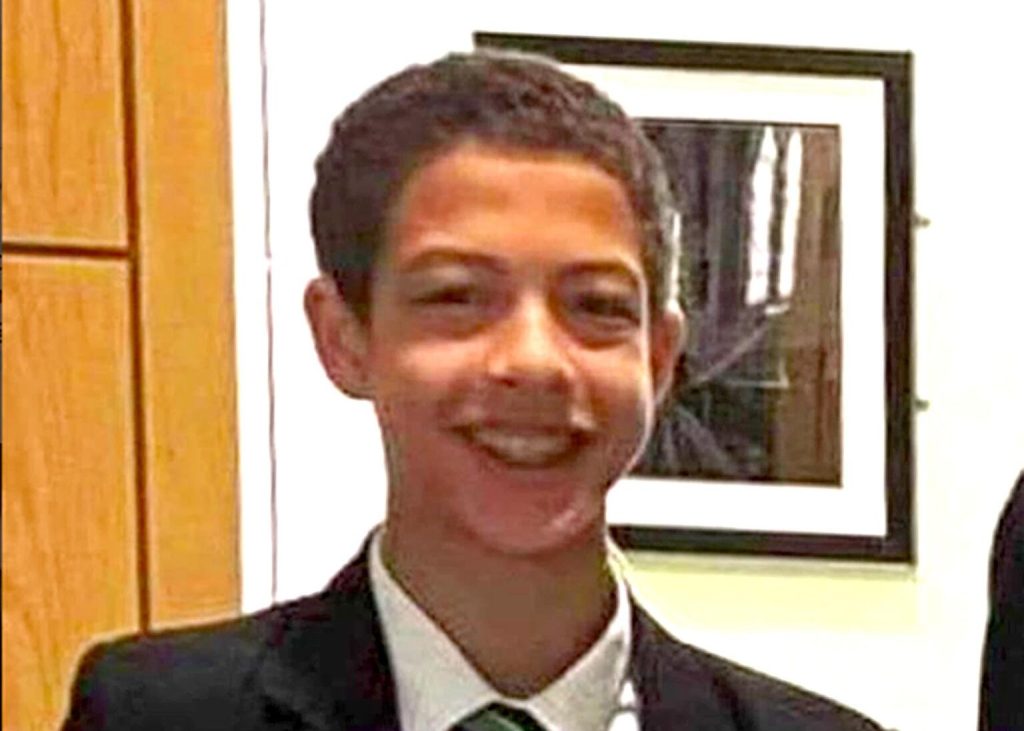
As we move through 2026, the quest for answers in the tragic case of Noah Donohoe continues to resonate deeply across Northern Ireland and beyond. The ongoing inquest into the death of the 14-year-old student has reached a pivotal juncture, with expert testimony casting a harsh light on infrastructure safety. A leading risk assessment expert has recently informed the Belfast Coroner’s Court that he is “quite certain” a significant public safety issue existed at the culvert Noah entered before his untimely death in 2020.
The proceedings, now in their 13th week, have become a landmark in legal transparency and urban safety accountability. For the family of the St Malachy’s College pupil, and the wider community that has supported them, these expert insights are crucial pieces of a complex and heartbreaking puzzle.

A Foreseeable Risk: The Testimony of Dr. Mark Cooper
Dr. Mark Cooper, a highly respected risk assessment specialist, provided a compelling narrative during his appearance before the jury. He stated unequivocally that had he visited the site at Linear Park in North Belfast prior to June 2020, he would have been “alert” to the inherent dangers. His testimony suggests that the hazard was not a hidden one, but rather a visible flaw in the infrastructure’s security.
Dr. Cooper’s assessment was bolstered by visual evidence presented to the court. He noted that photographs showing an adult employee easily walking through the screens at the culvert entrance were “very persuasive.” According to the expert, the ease with which an adult could pass through these barriers indicated a clear failure in preventing unauthorized access.
The “Hindsight Bias” Argument
A major point of contention during the inquest has been the concept of “hindsight bias.” Neasa Murnaghan KC, representing the Department for Infrastructure (DFI), questioned whether the experts’ conclusions were unfairly influenced by the knowledge that a tragedy had already occurred.
In response, Dr. Cooper and civil engineer Brian Pope maintained that their analysis was grounded in professional standards that existed long before the event. Dr. Cooper explained that he had “thought about this greatly” and concluded that his concerns regarding public safety would have been triggered regardless of the outcome, simply by observing the site’s layout and accessibility.
Analyzing the Infrastructure: Why the Culvert Was Vulnerable
The culvert at Linear Park serves as a storm drain, a piece of urban infrastructure designed to manage water flow. However, its location—bordering residential gardens and public spaces—made it a point of potential interaction for locals.
The inquest explored several factors that contributed to the site’s risk profile:
- Ease of Access: The layout of the area allowed for relatively simple entry to the ground surrounding the culvert.
- Inadequate Screening: The bars designed to prevent entry were spaced in a way that permitted even adults to pass through.
- Proximity to Residential Areas: With houses backing onto the site, the expert argued it was “foreseeable” that people, including children or those with riparian rights, might access the area.

The DFI’s Knowledge vs. Foreseeability
A significant clash occurred when the DFI suggested they had no evidence of the public “habitually accessing” the site prior to the incident. Mr. Justice Rooney, the Coroner, noted that Dr. Cooper took issue with this stance. The expert argued that a lack of “evidence” (such as litter or reports of children playing) does not equate to a lack of risk.
“You use your common sense and you look at the environment,” Dr. Cooper remarked. He suggested that the Department should have had knowledge of the potential for access, given the physical characteristics of the site. This distinction between “actual knowledge” and “foreseeable risk” is a cornerstone of modern public safety litigation.
Comparing Global Infrastructure Scandals
While the Noah Donohoe inquest is a localized tragedy, the themes of infrastructure negligence and government accountability are echoed globally. In 2024 and 2025, for instance, the Philippines was rocked by a massive flood control project scandal. Allegations of corruption and mismanagement in that region highlighted how failures in water management infrastructure can lead to catastrophic public safety risks.
While the contexts differ—one involving alleged systemic corruption and the other a specific site failure in Belfast—the core issue remains the same: the duty of care that authorities owe to the public. In both cases, experts and citizens alike have called for an Independent Commission for Infrastructure to oversee safety standards and prevent future loss of life.
The Technical Reality: Entrapment and Drowning Risks
Civil engineer Brian Pope also provided vital technical context. The court discussed the statistical likelihood of different types of accidents at culverts. Ms. Murnaghan suggested that being pinned against a screen (entrapment) was a more common risk than being trapped inside a culvert.
However, Mr. Pope noted that without detailed statistics, it was difficult to rank these risks definitively. What remained clear was that once a person entered the system, the environmental hazards increased exponentially. For Noah, who was found in the water tunnel six days after his disappearance, the post-mortem indicated that drowning was the likely cause of death.
The Role of Expert Joint Responses
Earlier in the month, a group of four experts, including Mr. Pope and Dr. Cooper, submitted a joint response to the court. This collaborative approach is designed to provide the jury with a consensus on technical matters, reducing the “battle of the experts” often seen in high-stakes litigation. Their collective agreement on the accessibility of the culvert has become a central pillar of the inquest’s findings.

Looking Toward the Verdict: Justice and Reform
As the inquest prepares to resume, the focus remains on whether the Department for Infrastructure met its legal and moral obligations. The testimony provided in the 13th week has significantly shifted the narrative toward preventative failure. If the jury accepts that a “public safety issue” was clearly visible, it could lead to sweeping changes in how culverts and storm drains are secured across the UK and Ireland.
For the Donohoe family, the inquest is more than just a legal proceeding; it is a search for the truth about how a 14-year-old boy could end up in such a perilous situation. The “Blue Jacket” movement, which has supported the family since 2020, continues to demand accountability and transparency.
Key Takeaways from the Week 13 Testimony:
- Expert Certainty: Dr. Mark Cooper is “quite certain” the site posed a public risk.
- Foreseeability: Experts argue that the risk was identifiable without the benefit of hindsight.
- Access Issues: The physical barriers (screens) were insufficient to prevent entry.
- Departmental Responsibility: The inquest is scrutinizing whether the DFI ignored a “foreseeable” hazard.
Conclusion: A Legacy of Safety
The death of Noah Donohoe remains one of the most heart-wrenching stories in recent Northern Irish history. However, the rigorous examination of the Linear Park culvert ensures that his legacy will include a renewed commitment to urban safety. By identifying these “public safety issues,” the inquest is not only seeking justice for a life lost but also working to ensure that no other family has to endure a similar tragedy.
As the legal journey continues through 2026, the eyes of the nation remain on Belfast Coroner’s Court. The truth, much like the experts’ testimony, is becoming increasingly clear: safety is not just about responding to accidents, but about foreseeing and preventing them.