Operation Epic Fury: Why the US War in Iran Just Hit a $25 Billion Milestone

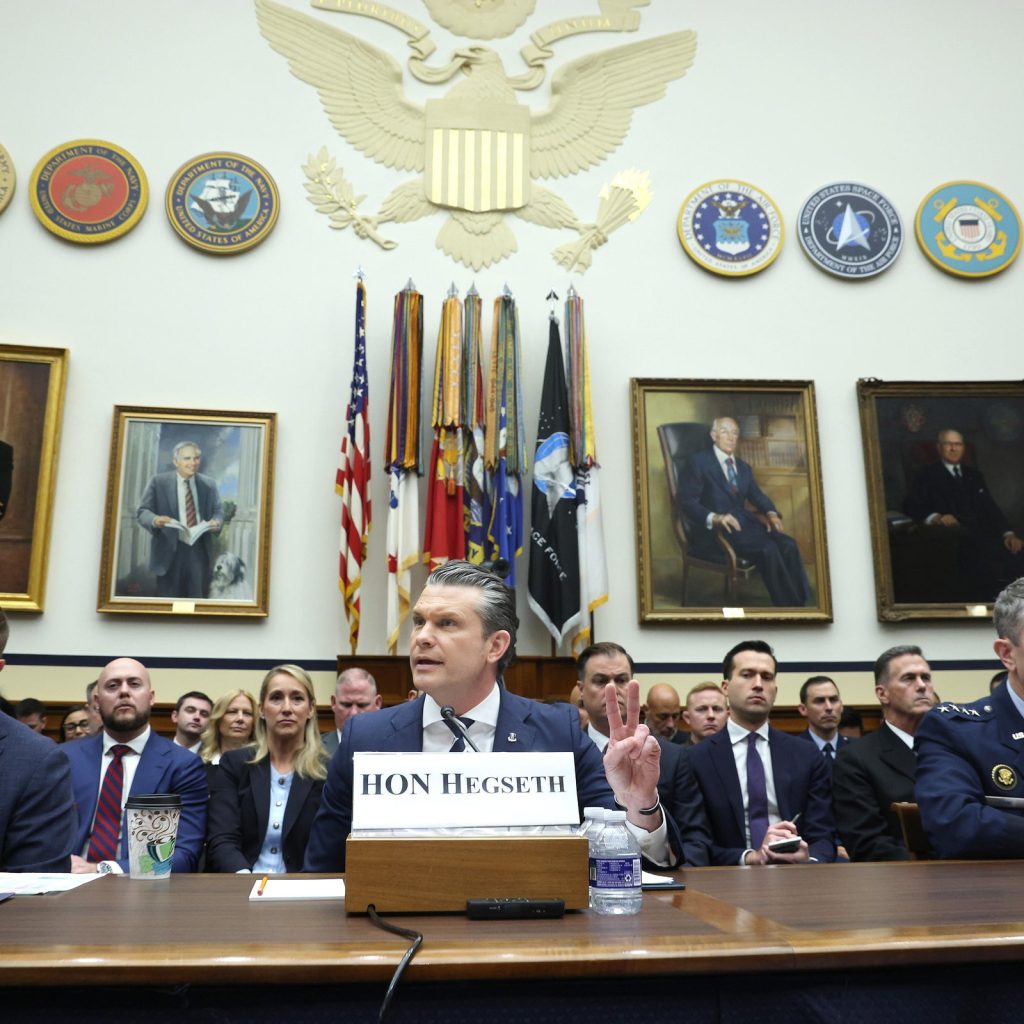
As the spring of 2026 unfolds, the geopolitical landscape remains dominated by the smoke and mirrors of the conflict in the Middle East. What was once predicted to be a “surgical strike” or a “short-term engagement” has officially crossed a staggering financial threshold. According to recent testimony on Capitol Hill, the U.S. war in Iran has cost $25 billion to date, marking a significant moment of reckoning for the Trump administration’s foreign policy.
This figure, revealed during a high-stakes hearing before the House Armed Services Committee, has ignited a firestorm of debate regarding the sustainability of Operation Epic Fury. With the conflict now entering its third month, the Pentagon is facing intense scrutiny over its $1.5 trillion budget request and its ability to maintain “magazine depth” in an increasingly volatile world.
The $25 Billion Bombshell: Breaking Down the Numbers
The official price tag was delivered by Acting Comptroller Jules Hurst, the Pentagon’s chief financial officer. Testifying alongside Defense Secretary Pete Hegseth and Chairman of the Joint Chiefs of Staff Gen. Dan Caine, Hurst provided the first comprehensive glimpse into the financial drain of the 60-day conflict.
While $25 billion is a massive sum, many lawmakers argue that the figure is a conservative estimate. The funding primarily covers:
- Expended Munitions: The high volume of precision-guided missiles used in the initial waves of strikes.
- Operational Tempo: Fuel, maintenance, and immediate logistics for carrier strike groups in the region.
- Personnel Deployment: Hazard pay and initial mobilization costs for tens of thousands of troops.
However, critics like Senator Chris Coons (D-Del.) have been quick to point out the gaps in this accounting. “I am frankly certain that that is low,” Coons remarked, suggesting that the $25 billion figure likely focuses on “munitions dropped” rather than the total cost of repairing equipment, long-term troop maintenance, and the secondary economic impacts of the naval blockade.

Pete Hegseth and the “Existential Fight” Rhetoric
Defense Secretary Pete Hegseth’s appearance on the Hill was his first public testimony since last June, and he did not mince words. In an aggressive opening statement, Hegseth pivoted from the financial costs to the ideological stakes of the war. He characterized the conflict as an “existential fight for the safety of the American people,” drawing parallels to the long-term commitments of Iraq and Afghanistan.
Hegseth’s rhetoric was notably combative. He labeled the skepticism of his colleagues as the “biggest adversary” the U.S. currently faces. By calling the words of congressional Democrats “reckless, feckless, and defeatist,” Hegseth signaled that the administration is prepared for a protracted engagement, regardless of the initial “four to six weeks” timeline suggested by President Trump at the war’s outset.
The Munitions Crisis: A Depleting Arsenal
One of the most alarming aspects of the testimony was the admission that global munition stockpiles are low. Committee Chairman Mike Rogers (R-Ala.) highlighted a critical vulnerability: the U.S. currently lacks the industrial capacity to rapidly restock its “magazine depth.”
The Pentagon has identified 14 critical munitions that require immediate production ramp-ups to ensure the U.S. can deter other global threats, specifically China. These include:
- Patriot and THAAD interceptors (Crucial for missile defense).
- SM-3 and SM-6 missiles (Primary naval defense assets).
- AMRAAMs (Air-to-air dominance).
- JASSMs and PrSMs (Long-range precision strike capabilities).
The heavy reliance on these high-end systems in the Iran theater has raised fears that the U.S. could be left exposed if a second conflict were to erupt in the Indo-Pacific. The “burn rate” of these munitions in Operation Epic Fury is reportedly exceeding production capacity, leading to a desperate call for private industry to “step up” under the new defense budget.
Strategy vs. “Wish Fulfillment”
The political divide in Washington has widened as the war enters its ninth week. Rep. Adam Smith, the ranking Democrat on the committee, challenged the administration’s overall strategy. He pointed to President Trump’s earlier claims that Iran had agreed to abandon its nuclear program and its control over the Strait of Hormuz—claims that have yet to be substantiated by facts on the ground.
“Wish fulfillment is not really a strategy,” Smith noted during the hearing. The reality is a stalled diplomatic front and a continuing naval blockade that has sent shockwaves through global oil markets. While Iran recently offered to reopen the Strait of Hormuz in exchange for an end to the U.S. blockade, the administration appears unlikely to accept any deal that doesn’t include a total capitulation of the Iranian regime.
Economic Implications: The $1.5 Trillion Question
The $25 billion spent so far is just the tip of the iceberg when considering the $1.5 trillion Defense Department budget request. This budget is designed not just for the current war in Iran, but to modernize the military for a potential “Great Power” conflict.
Key economic factors being watched by analysts in 2026 include:
- Oil Market Volatility: The ongoing tension in the Persian Gulf continues to keep energy prices high, impacting the domestic U.S. economy.
- Industrial Base Expansion: The push to ramp up munition production could lead to a domestic manufacturing boom, but it requires massive upfront government investment.
- Debt and Deficit Concerns: With the war cost mounting daily, fiscal hawks are questioning how the administration plans to fund Operation Epic Fury without ballooning the national debt.
The Human and Geopolitical Toll
Beyond the dollars and cents, the war in Iran is reshaping regional alliances. CSIS experts and other think tanks have noted that the ongoing U.S. and Israeli operations are pushing regional actors into difficult positions. While the administration maintains that the war is necessary to prevent a nuclear-armed Iran, the risk of a wider regional conflict remains high.
The “two months in” mark is a psychological threshold. For a generation of Americans who lived through the “Forever Wars,” the current trajectory of Operation Epic Fury feels eerily familiar. Hegseth’s defense of the timeline—reminding the committee that we are only 60 days into an “existential” struggle—suggests that the $25 billion figure is merely a down payment on a much longer, more expensive endeavor.
Conclusion: A Turning Point in 2026
The revelation that the Iran war has cost $25 billion in just two months is a wake-up call for taxpayers and policymakers alike. As the Pentagon scrambles to restock its dwindling munition magazines and the Trump administration doubles down on its military strategy, the path forward remains clouded by uncertainty.
Whether Operation Epic Fury achieves its stated goals of neutralizing the Iranian nuclear threat and securing the Strait of Hormuz remains to be seen. However, one thing is certain: the financial and strategic “price of admission” for this conflict is far higher than many were led to believe just a few short weeks ago.