Hantavirus Cruise Ship Crisis: Everything You Need to Know as MV Hondius Nears the Canary Islands

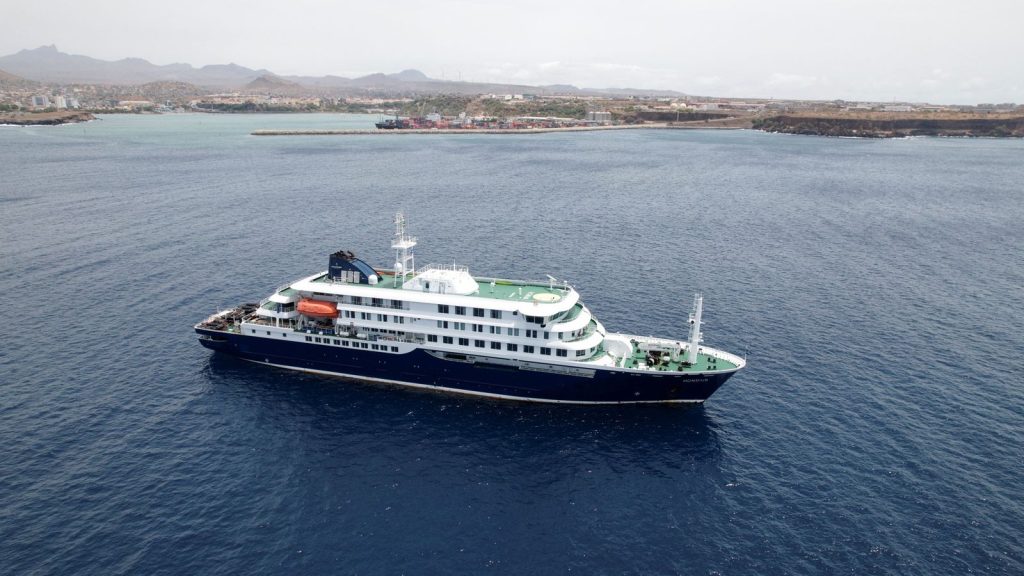
The global health community is on high alert as the MV Hondius, a Dutch-flagged expedition cruise ship, makes its way toward the Canary Islands. As of May 2026, the vessel has become the epicenter of a rare and concerning Andes hantavirus outbreak. With health authorities across multiple continents scrambling to contain the spread, the situation has sparked international attention, prompting questions about transmission, public safety, and the nature of this deadly pathogen.
The World Health Organization (WHO) has confirmed that the outbreak, which has resulted in tragic loss of life, is being managed with extreme caution. While officials are quick to clarify that this is not the dawn of another global pandemic, the unique characteristics of the Andes strain—specifically its rare ability for human-to-human transmission—have necessitated stringent quarantine measures as the ship approaches its destination in Tenerife.
Understanding the Outbreak: Current Statistics and Facts
As of early May 2026, the data surrounding the MV Hondius incident remains fluid but critical. Health officials have identified a cluster of cases involving both laboratory-confirmed infections and suspected symptomatic patients.
Confirmed and Suspected Cases: Reports indicate a total of eight cases linked to the vessel, with three individuals sadly succumbing to the illness.
The Pathogen: The virus has been identified as the Andes virus, a specific strain of hantavirus that is geographically associated with South America.
Global Response: The U.S. Centers for Disease Control and Prevention (CDC), along with European and South African health agencies, are coordinating medical evacuations and rigorous contact tracing protocols.
The MV Hondius was carrying 147 passengers when the initial reports surfaced. Since the discovery of the first cases, the ship has been navigating a complex logistical path, dealing with both the medical crisis on board and the international legalities of docking a vessel under quarantine.
The Unique Threat of the Andes Hantavirus
Unlike most hantavirus strains—which are typically contracted through the inhalation of aerosolized particles from rodent urine, feces, or saliva—the Andes virus is distinct. It is the only known hantavirus capable of person-to-person transmission.
How is it spread?
While the virus does not spread as easily as respiratory viruses like influenza or SARS-CoV-2, transmission can occur through prolonged, close contact with an infected individual. This is why the medical community is treating the cruise ship environment with such high priority. The enclosed nature of a vessel, combined with shared ventilation and common areas, creates a unique environment that necessitates aggressive infection control.
Health experts emphasize that the risk to the general public remains low. The virus is not airborne in the traditional sense, and the containment strategies being implemented by Spanish authorities in the Canary Islands are designed to prevent any community spread upon the ship’s arrival.
The Journey to Tenerife: Logistical Challenges
The MV Hondius is expected to arrive at the port of Granadilla, Tenerife, on May 10, 2026. The Spanish government, led by Health Minister Monica Garcia, has confirmed that the vessel will be allowed to dock, provided that strict isolation protocols are followed.
The Quarantine Protocol
Spanish emergency services, under the direction of officials like Virginia Barcones, have prepared a “completely isolated, cordoned-off area” at the port. This zone is designed to prevent any contact between the passengers and the local population.
- Strict Isolation: The disembarkation area is being treated as a high-security health zone.
- Medical Repatriation: The U.S. government has organized a medical repatriation flight to transport American citizens directly to the United States for specialized care.
- Contact Tracing: Authorities in the Netherlands, South Africa, and the UK are working in tandem to identify and monitor anyone who might have had contact with passengers who disembarked earlier in the voyage.
Public Perception and Official Reassurance
In times of medical uncertainty, public anxiety is natural. However, world leaders and health organizations are urging calm. When asked about the situation, U.S. President Donald Trump noted that the situation “seems to be okay,” emphasizing that the virus is not easily transmitted.
The WHO has been even more explicit, stating that this outbreak is “not the start of another COVID-19 pandemic.” By differentiating between the high-transmissibility of respiratory viruses and the specific, limited nature of the Andes hantavirus, they aim to prevent unnecessary panic.
Despite these reassurances, some local communities in the Canary Islands have expressed concerns regarding the ship’s arrival. This has led to small-scale protests, reflecting the ongoing tension between humanitarian aid for the passengers and the desire for local safety.
Clinical Insights: Symptoms and Treatment
For those on board or individuals who may have been exposed, recognizing the symptoms is vital. Hantavirus Pulmonary Syndrome (HPS)—the condition caused by the Andes virus—typically begins with flu-like symptoms.
Early Symptoms: Fatigue, fever, and muscle aches, particularly in the large muscle groups such as the thighs, hips, and back.
Advanced Symptoms: As the disease progresses, patients may experience coughing and shortness of breath, which signifies that the lungs are filling with fluid.
Medical Intervention: Treatment is largely supportive. It focuses on oxygen therapy and, in severe cases, mechanical ventilation. Early detection is the single most important factor in improving patient outcomes.
The Path Forward: Lessons Learned
The MV Hondius crisis serves as a stark reminder of the complexities of global travel in an era of emerging zoonotic diseases. The fact that the first case was likely infected before boarding—possibly during travels in Argentina or Chile—highlights the difficulty of screening for diseases with long incubation periods.
Improving Maritime Health Security
Moving forward, the cruise industry and global health bodies will likely look at:
Enhanced Pre-Boarding Screenings: Implementing more robust health declarations for travelers returning from high-risk regions.
Medical Infrastructure on Ships: Increasing the capacity for PCR testing and specialized isolation wards on smaller expedition vessels.
International Cooperation: Strengthening the communication lines between cruise operators, flag states, and port authorities to ensure that when an outbreak occurs, a clear, pre-agreed action plan is immediately activated.
Conclusion: A Managed Crisis
As the MV Hondius nears the shores of Tenerife, the world watches with bated breath, but also with a sense of confidence in the international response. The rapid identification of the Andes virus, the transparent communication from the WHO, and the coordinated efforts of multiple nations to repatriate and isolate those affected demonstrate a global health infrastructure that is far more capable than it was in previous decades.
While the loss of life is undeniably tragic, the containment of this outbreak remains the primary objective. By focusing on scientific evidence, rigorous quarantine, and international solidarity, authorities are ensuring that the MV Hondius* incident remains a contained medical event rather than a wider public health threat. As we look toward the safe disembarkation of the passengers, the priority remains the health and recovery of the individuals involved and the continued safety of the global community.