Crisis at Sea: Spain Prepares for High-Stakes Evacuation of Hantavirus-Stricken Cruise Ship

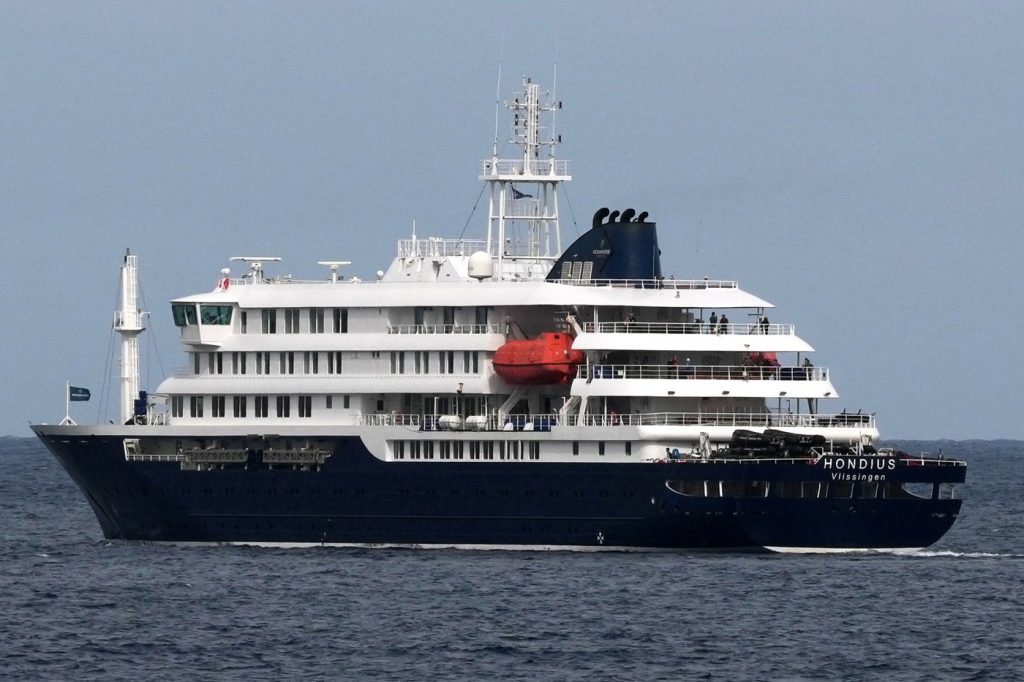
The maritime and global health community is currently on high alert as the MV Hondius, a Dutch-flagged expedition vessel, makes its way toward the Canary Islands. Following a tragic outbreak of hantavirus that has claimed at least three lives, Spanish authorities are finalizing elaborate plans to receive the ship and its 140+ passengers and crew in a highly controlled, isolated environment.
This unfolding situation serves as a stark reminder of the complexities involved in managing infectious disease outbreaks in international waters. As the world watches, the coordination between Spanish emergency services, international health agencies, and various nations signifies a massive logistical undertaking aimed at containing the pathogen while prioritizing the safety of those on board.
The Situation Aboard the MV Hondius: A Timeline of Events
The crisis began to unfold in late April 2026, when passengers and crew members aboard the MV Hondius started falling ill. By the time the severity of the situation was realized, the ship had already made stops at remote locations, including the British overseas territory of Tristan da Cunha.
The Virus Behind the Outbreak
Hantavirus is a rare but serious viral infection typically transmitted to humans through contact with the urine, feces, or saliva of infected rodents. Crucially, health experts, including those from the World Health Organization (WHO), have emphasized that hantavirus is not easily transmitted between humans. This distinct characteristic sets the current cruise ship crisis apart from respiratory pandemics, providing some reassurance to the wider public.
Disembarkation and Global Contact Tracing
A significant challenge facing health officials is the fact that nearly 40 passengers disembarked the vessel before the outbreak was fully identified. This has triggered a massive, multi-continental contact tracing effort. Authorities are currently tracking individuals across at least 12 countries to ensure that anyone who may have been exposed receives appropriate monitoring and medical guidance.
Spain’s Strategic Response and The Canary Islands Operation
Spanish officials, led by Virginia Barcones, head of emergency services, have been clear: the arrival of the MV Hondius will be handled with extreme caution. The ship is expected to dock in Tenerife, where a cordoned-off, isolated zone has been established to prevent any potential spread of the virus to the local population.
Logistical Coordination
The preparation involves a multi-agency approach:
Strict Isolation: The docking area in Tenerife will be completely secured to ensure that the evacuation process is fully contained.
International Repatriation: Several nations have moved quickly to assist their citizens. The United States has committed to sending a dedicated aircraft to transport its 17 citizens home, while the United Kingdom is chartering a flight for its nearly two dozen nationals.
Medical Triage: Upon arrival, all passengers and crew will undergo rigorous health screenings. While the operator, Oceanwide Expeditions, states that no remaining passengers are currently symptomatic, the risk of late-onset symptoms means that all individuals will remain under medical observation.
Understanding the Risks: Is Hantavirus a New Global Threat?
Despite the alarmist headlines, the World Health Organization (WHO) has been quick to temper concerns, stating clearly that the risk to the general public remains low. Hantavirus is not considered “the next COVID-19” due to its primary transmission vector—rodents rather than respiratory droplets.
Why the Outbreak is Being Monitored Closely
Even with a low risk of human-to-human transmission, the MV Hondius case is a “sentinel event.” It highlights the vulnerabilities of closed-environment travel and the speed at which localized outbreaks can become international logistical challenges. The complexity of the situation is compounded by the fact that the virus has a long incubation period—typically between one and eight weeks—making it difficult to clear individuals as “safe” immediately.
The Global Impact: Tracing Contacts Across Continents
The ripple effects of the MV Hondius outbreak extend far beyond the Canary Islands. Health authorities in South Africa and the Netherlands are currently managing the fallout of passengers who traveled via commercial flights before the outbreak was identified.
The KLM Incident
A flight attendant working on a KLM flight from Johannesburg to Amsterdam recently fell ill after a passenger—who had been on the cruise ship—was taken off the plane in South Africa. While the flight attendant tested negative for hantavirus, the incident underscores the intense scrutiny applied to anyone who has shared a confined space with a potentially infected person.
The Tristan da Cunha Case
The discovery of a suspected case of hantavirus in the remote territory of Tristan da Cunha further complicates the situation. This remote location lacks the advanced medical infrastructure of mainland Europe, making the movement of patients and the monitoring of suspected cases a logistical nightmare for British health authorities.
Lessons Learned for the Cruise Industry
As the global travel industry continues to recover and expand in 2026, this incident will likely lead to a re-evaluation of sanitation and rodent control protocols on expedition cruise ships.
- Enhanced Vector Control: Ships operating in remote or wild environments must implement more rigorous pest control measures to prevent rodent infestations.
- Early Detection Protocols: The delay between the first death and the official identification of the virus suggests a need for better diagnostic capabilities on board luxury vessels.
- Unified Global Response: The cooperation between Spain, the Netherlands, the U.S., the U.K., and South African health agencies serves as a blueprint for how nations should manage cross-border health emergencies.
Final Thoughts: A Coordinated Path Forward
The situation involving the MV Hondius* is a sobering reminder of the necessity of global cooperation in the face of biological hazards. As the vessel approaches the Canary Islands, the primary focus remains the health and safety of the passengers and the integrity of the containment strategy.
While the nature of hantavirus makes it a manageable threat compared to airborne pathogens, the human element—the grief of those who lost loved ones and the anxiety of those still on board—cannot be overlooked. Spain’s proactive stance and the swift intervention of multiple governments provide a reassuring sign that the world is better equipped to handle such emergencies than it has been in the past.
As we move through 2026, the maritime industry will undoubtedly look to the lessons learned from this incident to ensure that future voyages remain safe for all, regardless of where in the world they sail.