“Denial of Care”: Why Doctors Fear Canada’s 2026 Refugee Health Payment Requirements

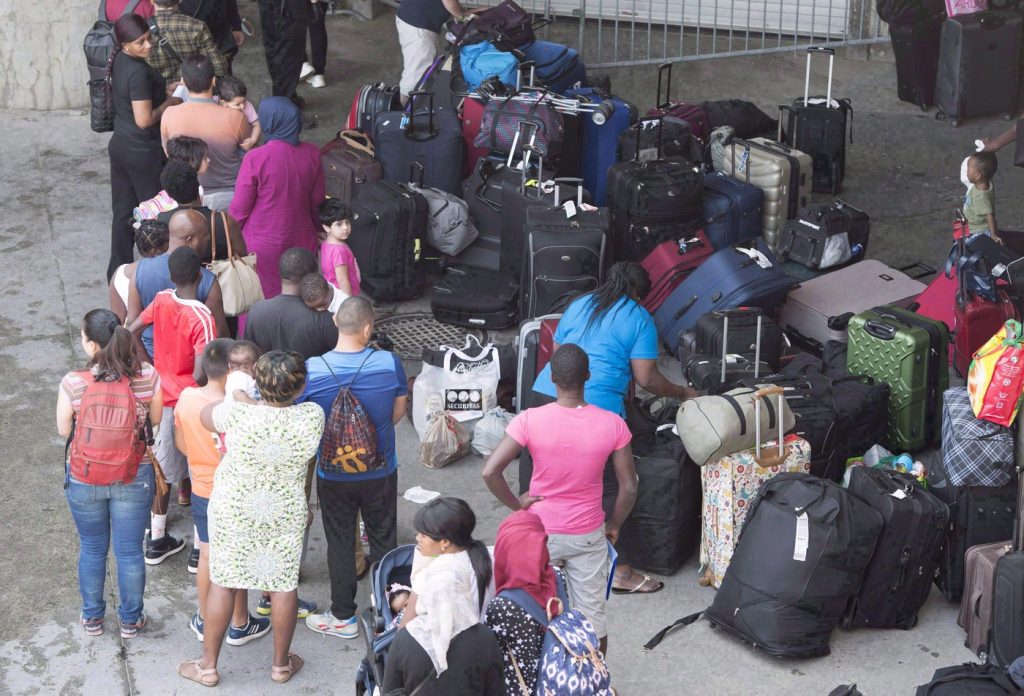
As of May 1, 2026, the landscape of humanitarian support in Canada has undergone a seismic shift. For decades, the Interim Federal Health Program (IFHP) served as a vital safety net, ensuring that those fleeing conflict and persecution had immediate access to essential medical services. However, a new federal mandate has officially introduced mandatory co-payments, sparking a firestorm of criticism from the medical community and human rights advocates alike.
The transition from full coverage to a “pay-for-use” model represents more than just a budgetary adjustment; it is being described by frontline physicians as a “denial of care” that could have catastrophic long-term consequences for both newcomers and the Canadian healthcare infrastructure.
Understanding the IFHP Changes: The $4 and 30% Rule
The core of the controversy lies in the new financial requirements placed on refugees and refugee claimants. While the federal government maintains that the IFHP will still cover the full cost of doctor visits and hospital stays, the “supplemental” services—often the backbone of recovery and integration—are no longer free.
Under the new regulations, refugees must now pay:
$4.00 for every drug prescription.
30% of the total cost for supplemental health products and services.
This 30% co-payment applies to a wide range of essential needs, including mental health counseling, dental services, vision care, and medical equipment such as wheelchairs and prosthetics. For a population that often arrives with nothing but the clothes on their backs, these costs are not merely an inconvenience—they are an insurmountable barrier.
The Medical Community Sounds the Alarm
The backlash against these changes has been swift and unified. A coalition of over a dozen professional organizations—including the Canadian Medical Association (CMA), the Canadian Paediatric Society, and the Canadian Nurses Association—has issued a stern warning to the federal government.
Doctors argue that these co-payments will lead to a “vicious cycle of deterioration.” When a patient cannot afford the $4 co-pay for their blood pressure medication or the 30% cost of a mental health session, they don’t simply get better on their own. Instead, their conditions worsen until they require emergency intervention, which is far more expensive for the taxpayer than preventative care.
The Impact on Vulnerable Children
The Canadian Paediatric Society has expressed specific concern regarding refugee children. Many of these youths have missed critical developmental screenings and immunizations. By introducing costs for supplemental services, the government risks leaving these children with untreated vision or dental issues that can hinder their education and social integration.
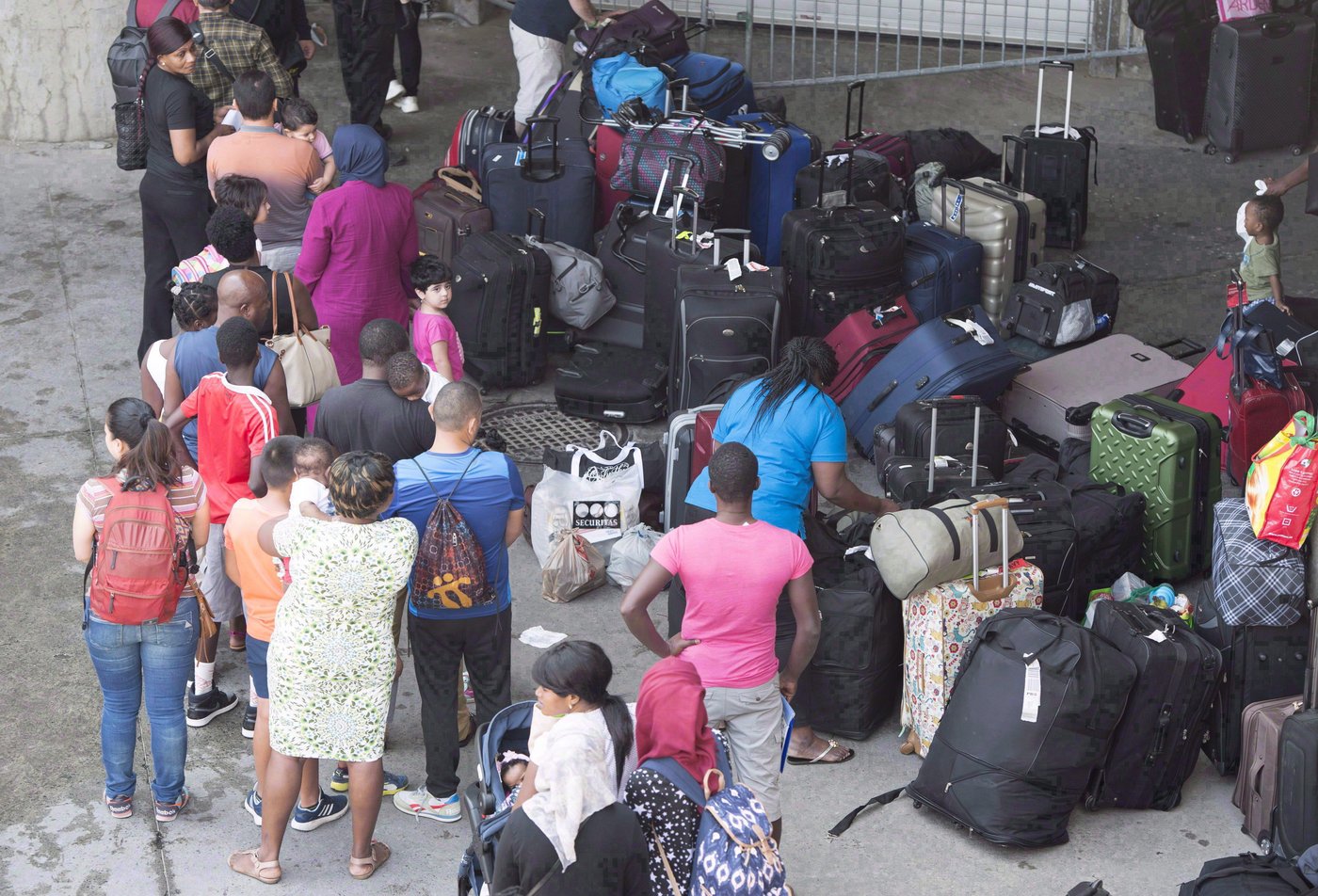
“Denial of Care”: The Human Cost of Trauma
Dr. Vanessa Redditt, a family physician at Women’s College Hospital’s refugee clinic in Toronto, has been one of the most vocal critics of the policy. As a founding member of the Canadian Refugee Health Network, she sees the direct impact of poverty on health every day.
“It is a denial of care,” Dr. Redditt stated bluntly. She highlighted the plight of patients grappling with suicidality, sexual violence, and the psychological scars of torture. For these individuals, trauma therapy is not a “supplemental” luxury; it is a life-saving necessity.
With many refugees still living in temporary shelters and lacking a sense of permanent safety, the requirement to pay 30% for counseling effectively removes the only path to healing. Without access to trauma-informed care, the risk of self-harm and long-term disability increases exponentially.
The Economic Paradox: Saving Pennies to Spend Dollars
The federal government, led by the office of Immigration Minister Lena Metlege Diab, has defended the co-payments as a necessary cost-saving measure in a tight fiscal environment. However, many health economists and practitioners argue that this is a case of being “penny wise and pound foolish.”
Integration and Economic Contribution
Dr. Parisa Rezaiefar, lead physician at the Ottawa Newcomer Health Centre, emphasizes that the health of refugees is directly tied to their ability to contribute to the Canadian economy.
“The faster we deal with people’s medical conditions, the faster we enroll them in language training and vocational training,” Dr. Rezaiefar explained. Her own journey as a refugee from Iran in the 1990s informs her perspective: a healthy newcomer is a productive newcomer. When we delay treatment for chronic pain, dental infections, or mental health struggles, we delay that individual’s ability to enter the workforce and pay taxes.
Clogging the Emergency Departments
The Canadian healthcare system is already under immense pressure, with record-long wait times in emergency rooms across the country. By cutting off access to affordable prescriptions and supplemental care, the government is essentially redirecting refugees toward the most expensive tier of the healthcare system.
An untreated infection that could have been resolved with a $20 prescription (plus the now-mandatory $4 co-pay) may turn into a systemic issue requiring a $10,000 hospital stay. The preventative care model is being sacrificed for short-term budgetary “wins.”
Global Context: Refugee Health as a Public Health Priority
The World Health Organization (WHO) and the UNHCR have long maintained that inclusive health policies are essential for global stability. When refugees are excluded from primary care or faced with high out-of-pocket costs, the risk of vaccine-preventable diseases—such as measles, polio, and whooping cough—increases.
In 2026, as global migration patterns continue to shift due to climate change and geopolitical instability, Canada’s decision to restrict health access is being watched closely by the international community. Critics argue that Canada is moving away from its reputation as a humanitarian leader and toward a more restrictive, exclusionary model.
Navigating the New System: Challenges for Providers
For healthcare providers, the new IFHP requirements introduce a significant administrative burden. Clinics must now implement systems to collect small co-payments from patients who may not even have a bank account yet.
Key challenges for clinics include:
- Financial Ethics: Doctors are faced with the moral dilemma of whether to waive fees (and take a loss) or turn away patients in need.
- Communication Barriers: Explaining complex co-payment structures to patients who may not speak English or French fluently adds a layer of difficulty to the clinical encounter.
- Navigational Hurdles: Many refugees already find navigating the Canadian medical system a challenge; adding financial hurdles only increases the likelihood that they will opt out of care entirely.
Conclusion: A Precarious Future for Refugee Health
The implementation of co-payments for the Interim Federal Health Program marks a turning point in Canadian immigration policy. While the government seeks to manage costs, the medical community warns that the human and economic price of these changes will be far higher than any immediate savings.
As we move further into 2026, the data will eventually show the impact of these “denial of care” policies. Will we see a spike in emergency room visits? Will the integration of newcomers slow down? For now, doctors like Vanessa Redditt and Parisa Rezaiefar remain on the front lines, fighting to ensure that “health for all” remains a reality rather than a slogan.
The debate over Bill C-12 and the IFHP modifications is far from over. As the Canadian Medical Association and other bodies continue to lobby for a reversal of these cuts, the health and safety of thousands of vulnerable individuals hang in the balance.