The Unsealed Mystery: Analyzing the Jeffrey Epstein Suicide Note Released by Judge Karas in 2026

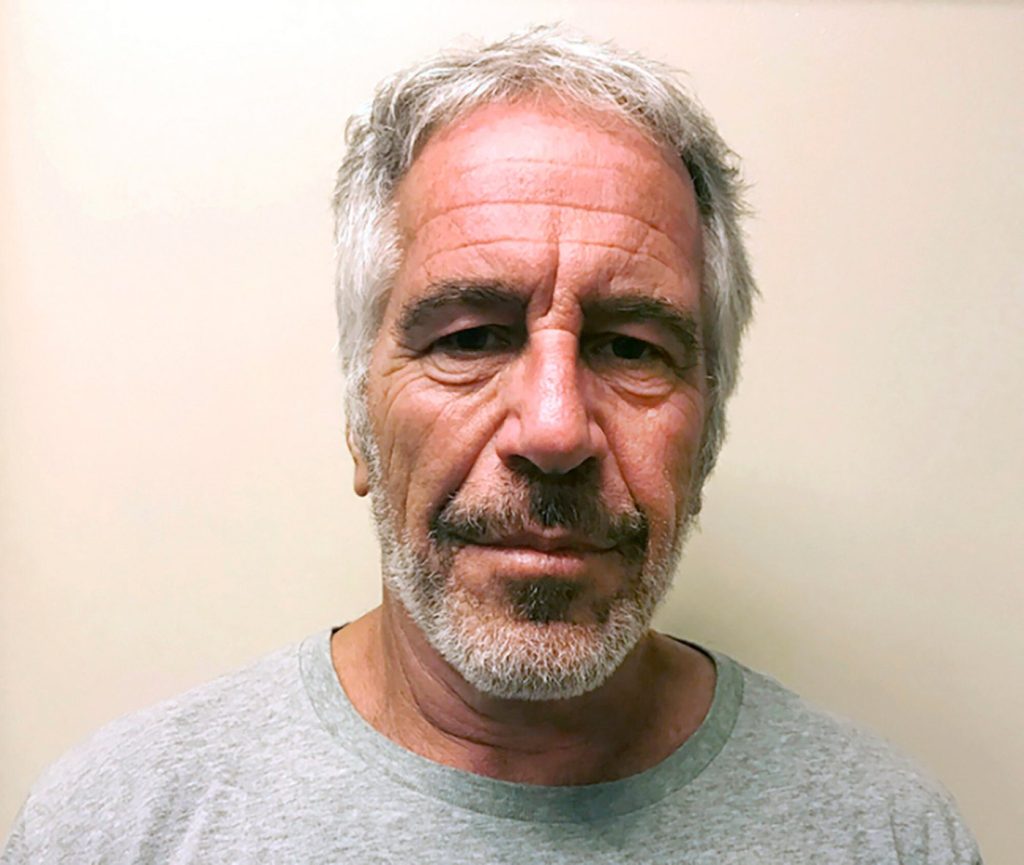
Nearly seven years after the most scrutinized death in modern American history, a new chapter has opened in the saga of Jeffrey Epstein. In a move that has reignited global interest and fueled endless digital discourse, U.S. District Judge Kenneth Karas has officially unsealed a handwritten note that allegedly belonged to the disgraced financier.
This document, which had been locked away in a courthouse vault in White Plains, New York, offers a chilling glimpse into the mind of the man at the center of a global sex trafficking ring. Found by his then-cellmate, Nicholas Tartaglione, following Epstein’s first suspected suicide attempt in July 2019, the note’s release in 2026 marks a pivotal moment for investigative journalists and legal scholars alike.
The Discovery: A Note Hidden in Plain Sight
The story of the note begins not in the high-security wings of a federal prison, but in the pages of a book. According to Nicholas Tartaglione—a former police officer currently serving a life sentence for a quadruple homicide—he discovered the scrap of paper on July 23, 2019. This was the date Epstein was first found semi-conscious with a strip of bedsheet wrapped around his neck.
While the world was focused on Epstein’s final moments on August 10, 2019, this earlier incident was often dismissed as a “cry for help” or a staged event to gain a transfer. However, the contents of the newly released note suggest a much darker and more defiant internal monologue.
Why Was the Note Kept Secret Until 2026?
The legal journey of this document is as complex as the case itself. For nearly five years, the note remained sealed and locked in a courthouse vault. It was caught in the crossfire of an unrelated legal dispute involving Tartaglione’s own criminal proceedings.
It wasn’t until The New York Times filed a formal petition last week that the judicial system finally relented. Judge Karas, overseeing the unsealing, determined that the public interest in the Epstein case outweighed the previous privacy and procedural concerns that had kept the note under wraps.
Breaking Down the Text: “NO FUN. NOT WORTH IT!!”
The note is brief, erratic, and in some places, difficult to decipher. Yet, the phrases that are legible have sent shockwaves through the community of forensic psychologists and true-crime investigators.
“They investigated me for month — found nothing!!!”
This opening line is perhaps the most telling. It reflects a man who, despite the mountain of evidence against him, maintained a sense of narcissistic defiance. By 2019, federal prosecutors had amassed a staggering amount of testimony and physical evidence, yet Epstein’s private writings suggest he believed he could still outmaneuver the system—or at least, he wanted his cellmate to believe so.
“It is a treat to be able to choose the time to say goodbye”
This sentence provides a haunting look at Epstein’s view of agency. For a man who spent his life controlling others, the ultimate act of control was, in his mind, the timing of his own death. The use of the word “treat” is particularly disturbing, suggesting a level of detachment from the gravity of his crimes and the finality of his situation.
“Watcha want me to do — Bust out cryin!!”
Here, the tone shifts to one of aggressive sarcasm. It is a direct challenge to the authorities, the media, and perhaps his fellow inmates. It reinforces the image of a man who refused to show remorse, viewing his incarceration not as a consequence of his actions, but as a game he was no longer interested in playing.
“NO FUN. NOT WORTH IT!!”
Underlined for emphasis, these four words conclude the note. They encapsulate the ultimate nihilism of a billionaire who found himself stripped of his private jets, islands, and influence. In the sterile environment of the Metropolitan Correctional Center (MCC), Epstein concluded that a life without his accustomed luxuries and power was simply “not worth it.”
The Credibility of Nicholas Tartaglione
Whenever a document surfaces from within the prison system, the source must be scrutinized. Nicholas Tartaglione is not a neutral observer. As a convicted murderer and former cop, his motivations for revealing the note years later on a podcast have been questioned.
The Podcast Reveal: Tartaglione first mentioned the note in 2025 during a recorded interview, claiming he had kept the secret to protect himself.
The Search for Leverage: Some legal analysts suggest Tartaglione may be using the note as a “bargaining chip” for better prison conditions or a potential appeal, although the unsealing by Judge Karas was prompted by the media, not the inmate.
The Forensic Gap: Curiously, this note was never mentioned in the extensive Department of Justice (DOJ) or Office of the Inspector General (OIG) reports regarding Epstein’s death. This omission has led to fresh questions about the thoroughness of the original 2019 investigation.
Why the 2026 Unsealing Matters
In 2026, the Epstein case remains a cultural and political touchstone. The unsealing of this note does more than just satisfy curiosity; it provides critical context for several ongoing narratives.
1. Challenging the “Staged” Theory
For years, conspiracy theories have suggested that Epstein’s first suicide attempt was a ruse. The existence of a note—written with the intent of “saying goodbye”—lends weight to the theory that Epstein was genuinely suicidal as early as July 2019. It suggests that his final act in August was not a sudden decision but the culmination of a weeks-long descent.
2. Highlighting Institutional Failure
The note’s existence raises a damning question: How did jail personnel miss this? If Tartaglione found the note in a book in a shared cell, it implies that the cell searches conducted by the MCC staff were profoundly inadequate. This aligns with the 2019 findings that guards were sleeping and browsing the internet instead of performing their required checks.
3. Psychological Profiling of High-Profile Offenders
Forensic experts are using the note to build a more comprehensive psychological profile of Epstein. The transition from “They found nothing” to “Not worth it” illustrates a rapid collapse of the “invincibility shield” typically held by powerful offenders.
The Role of the New York Times and the Freedom of Information
The unsealing of this note is a victory for investigatory journalism. The New York Times’ persistence in petitioning the court highlights the importance of transparency in cases involving federal custody. In an era where “fake news” and “alternative facts” often dominate the Epstein conversation, having a primary source document—verified by a federal judge—is invaluable.
Judge Karas’ decision reflects a modern judicial philosophy that favors the public’s right to know, especially when the subject is a matter of intense national interest. By moving the note from a “locked vault” to the public record, the court has allowed for a more honest accounting of the events leading up to August 10, 2019.
Key Takeaways from the Unsealed Documents
To better understand the impact of this release, we can look at the specific details confirmed in the 2026 court order:
The Date of Origin: The note is tied specifically to the July 23, 2019, incident.
The Location: It was found inside a book, suggesting Epstein was trying to hide his intentions or leave a “time capsule” for someone to find.
The Handwriting: While some parts remain “hard to decipher,” forensic experts have tentatively matched the script to known samples of Epstein’s handwriting.
- The Missing Link: The note fills a gap in the timeline between Epstein’s arrest in early July and his death in August, showing a man who was already contemplating his exit strategy.
Analysis: The Legacy of the “Not Worth It” Note
As we look back from the vantage point of 2026, the Epstein case continues to serve as a mirror for society’s anxieties regarding justice, wealth, and accountability. This note doesn’t provide “closure” in the traditional sense—it doesn’t name new co-conspirators or reveal the location of hidden files.
Instead, it provides a humanizing, albeit dark, look at a monster. It shows that even those who seem untouchable eventually reach a point where their world collapses. The phrase “NO FUN” is a puerile, almost childish way to describe the end of a life built on the exploitation of others, but it is perfectly in character for Jeffrey Epstein.
The Impact on Survivors
For the survivors of Epstein’s abuse, the release of this note may be a double-edged sword. On one hand, it confirms that Epstein felt the walls closing in—that the “investigation” he claimed found “nothing” was actually working. On the other hand, the note’s focus on his own “treat” of choosing his death time reinforces the fact that he escaped a final, public reckoning in a court of law.
Conclusion: The Vault is Open, but Questions Remain
The unsealing of the Epstein suicide note by Judge Kenneth Karas in 2026 is a landmark event in a case that refuses to stay buried. While the note offers a clearer picture of Epstein’s state of mind following his first attempt, it also exposes the deep flaws in the federal prison system and the investigative lapses that allowed such a document to remain hidden for over half a decade.
As the legal community and the public digest these four pages of erratic handwriting, one thing is certain: the Jeffrey Epstein story is far from over. Each unsealed document, each recovered note, and each court order brings us one step closer to understanding the full scope of the tragedy and the systemic failures that allowed it to occur.
The note concludes with “NOT WORTH IT!!”—a sentiment that many would agree applies to the entire sordid history of Epstein’s life and the trail of destruction he left behind. However, for the pursuit of truth, the effort to unseal these documents will always be worth it.