Broadcasting Tug-of-War: The Battle for Kerry vs. Donegal and the Future of GAA Rights

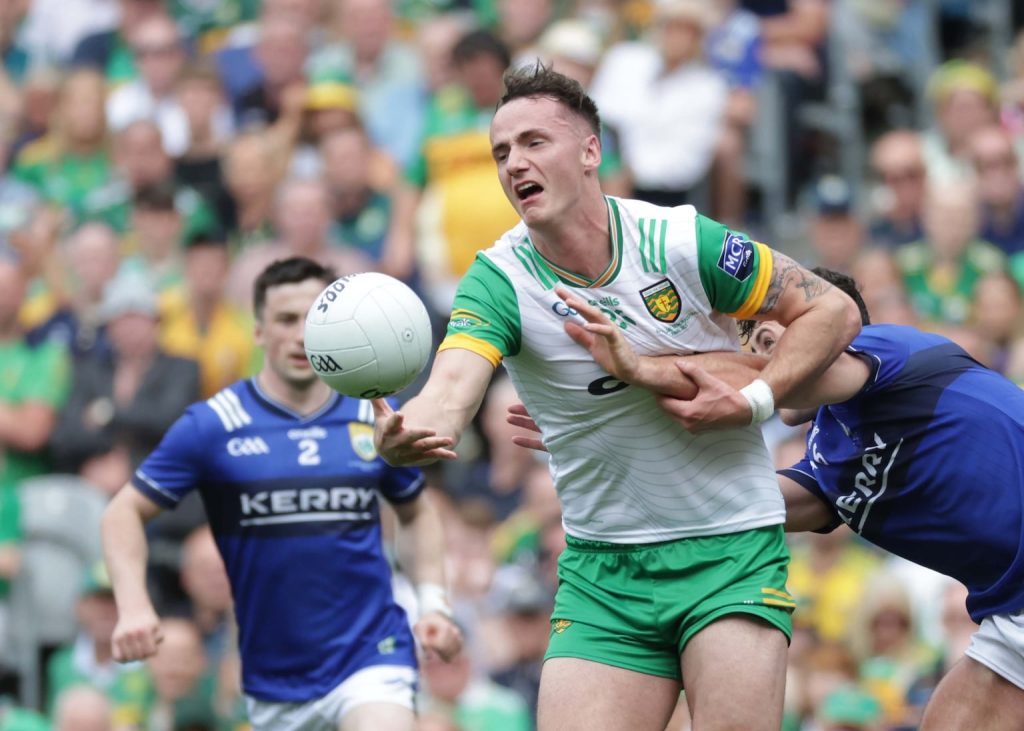
The 2026 GAA Championship season is barely underway, yet the corridors of Croke Park are already echoing with the sounds of a high-stakes standoff. As the All-Ireland Senior Football Championship (SFC) gears up for its opening weekend on May 23-24, a major dispute has erupted between national broadcaster RTÉ and the digital streaming platform GAA+. At the heart of the controversy? The rights to broadcast the heavyweight clash between Kerry and Donegal.
This clash of titans—a repeat of the 2025 All-Ireland final—has become the ultimate prize for broadcasters. Both RTÉ and GAA+ are claiming “first pick” rights for the opening round, setting the stage for a boardroom battle that could redefine how fans access Gaelic games for the remainder of the decade.
The Scheduling Nightmare: Why Kerry vs. Donegal is the Epicenter
The scheduling congestion for the weekend of May 23-24 is unprecedented. RTÉ, bound by its commitment to showcase the Leinster and Munster hurling championships on Sunday afternoon, has limited flexibility. Meanwhile, GAA+ has aggressively marketed its coverage, promising subscribers three marquee games from the opening round.
The Central Competitions Control Committee (CCCC) is now under immense pressure to mediate. The core issue lies in the interpretation of the broadcast contract. With the previous three-year agreement expiring and a new, slightly altered format in place for the 2026 season, the “first pick” hierarchy has become a point of contention rather than a settled matter.
The “Paywall” Concern
Fans across the country are watching this dispute with bated breath. There is a growing fear that if GAA+ secures the top-tier fixtures, iconic rivalries like Cork vs. Meath, Armagh vs. Derry, and Dublin vs. Louth could all end up behind a digital paywall.
For the traditional GAA supporter, the prospect of the most exciting games of the summer being restricted to a subscription service is a bitter pill to swallow. As the landscape of sports broadcasting shifts toward digital-first models, the GAA faces the delicate task of balancing revenue generation with its mandate to provide accessible coverage to the public.
Analyzing the 2026 Broadcast Dynamics
To understand why this is happening now, we must look at the structural changes introduced this year. The 2026 championship format has increased the number of high-profile ties in the early rounds.
Round 1 (May 23-24): The current flashpoint. Both broadcasters feel entitled to the headline act.
Rounds 2A and 2B (June 13-14): RTÉ is slated for two games, while GAA+ is scheduled for three.
- Round 3 (June 20-21): A split of three games to GAA+ and one to RTÉ.
The issue stems from the fact that the original contract was signed under a different set of expectations. With the format evolving, the “first pick” logic that served the GAA in 2023-2025 is no longer sufficient to solve the friction created by simultaneous scheduling.
The Venue Dilemma: Killarney vs. Tralee
Adding fuel to the fire is the logistical side of the Kerry-Donegal fixture. With Fitzgerald Stadium in Killarney boasting a capacity of 38,000 compared to the 11,500 limit at Austin Stack Park in Tralee, the GAA is almost certain to opt for the larger venue to satisfy ticket demand.
However, a larger venue requires a more robust broadcasting infrastructure. The logistical requirements of hosting a major television production for either RTÉ or GAA+ mean that the final decision on the venue is inextricably linked to the decision on who holds the broadcast rights.
The Wider Impact on Irish Sports Media
The tension between RTÉ and GAA+ is symptomatic of a broader trend in global sports media. As terrestrial broadcasters compete with streaming-exclusive platforms, the “exclusivity” of live sport is the most valuable currency in the industry.
The Fan Perspective
Is the GAA losing its connection to the grassroots? Critics argue that by parceling out games to different platforms, the association is fragmenting its fanbase. Conversely, the GAA maintains that the revenue generated from these digital rights is essential for the development of clubs and the maintenance of facilities nationwide.
The “scheduling fiasco,” as some pundits have labeled it, highlights a need for greater transparency in how these contracts are negotiated. If the governing body cannot resolve these disputes before the championship begins, the result will be a chaotic experience for the fans who just want to watch the best teams in the country compete.
Conclusion: A Turning Point for the GAA
The upcoming meeting of the CCCC is more than just a scheduling review; it is a turning point for how the GAA manages its media footprint. Whether the Kerry-Donegal clash ends up on free-to-air television or behind a subscription wall will set a precedent for the rest of the 2026 season.
For now, the fans wait. Whether they are tuning in via the traditional RTÉ Sport broadcast or logging into the growing GAA+ platform, the importance of this match remains unchanged. It is a battle of Ulster champions versus Munster champions—a game that deserves the widest possible audience, regardless of which logo appears in the corner of the screen.
As the season progresses, the GAA must ensure that the quality of the competition is matched by the ease of access for its supporters. Until then, the tug-of-war for the rights to the Kerry-Donegal spectacle will continue to dominate the headlines.