The Invisible Frontline: Why Online Harassment Against Female Journalists Is Reaching Crisis Levels

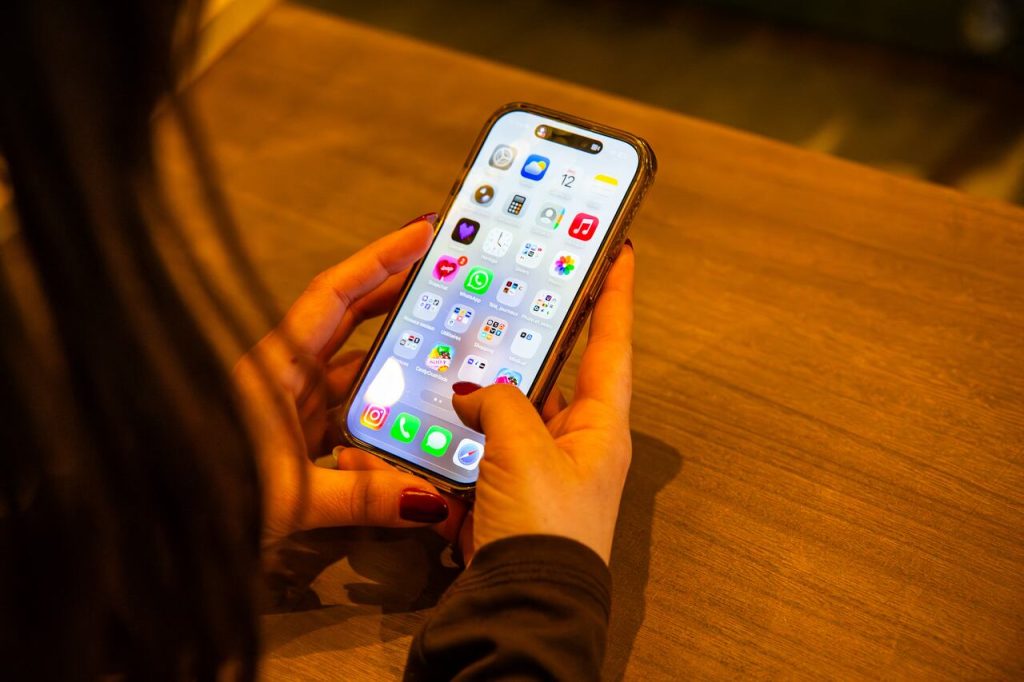
The digital age promised a democratization of information, but for many women in the media, the internet has become a minefield. As we move further into 2026, a landmark report from UN Women has confirmed what many have suspected: online harassment against female journalists is not just a nuisance—it is an escalating, sophisticated, and life-threatening crisis that is silencing voices and eroding the foundations of press freedom.
From death threats and sexualized deepfakes to the doxxing of private locations, the abuse has moved beyond mere “trolling.” It is a systematic attempt to push women out of the public sphere, creating a chilling effect that threatens the diversity and integrity of global journalism.
The Escalating Crisis: A 2026 Reality Check
A global survey conducted in 2025 and released in 2026 paints a grim picture. According to the UN Women report, the rate of female journalists reporting digital violence to law enforcement has doubled since 2020. This indicates that the severity of the threats—ranging from violent rape threats to targeted stalking—has reached a threshold where victims feel they have no choice but to involve the police.
Defining the Digital Threat
The UN defines this violence as any act amplified by digital tools resulting in physical, psychological, or economic harm. It is no longer confined to the screen. The report highlights that:
25% of respondents have sought medical or psychological treatment for anxiety and depression linked to online abuse.
Nearly 50% now engage in self-censorship on social media, up significantly from 30% just a few years ago.
22% of journalists are now self-censoring in their professional work, fearing for their safety if they cover controversial or “extremist” topics.
The Case of Rachel Gilmore: A Paper Trail for Survival
The experience of Montreal-based independent journalist Rachel Gilmore serves as a harrowing case study. Formerly with major outlets like CTV and Global News, Gilmore’s career shift into reporting on online extremism made her a primary target for right-wing agitators.
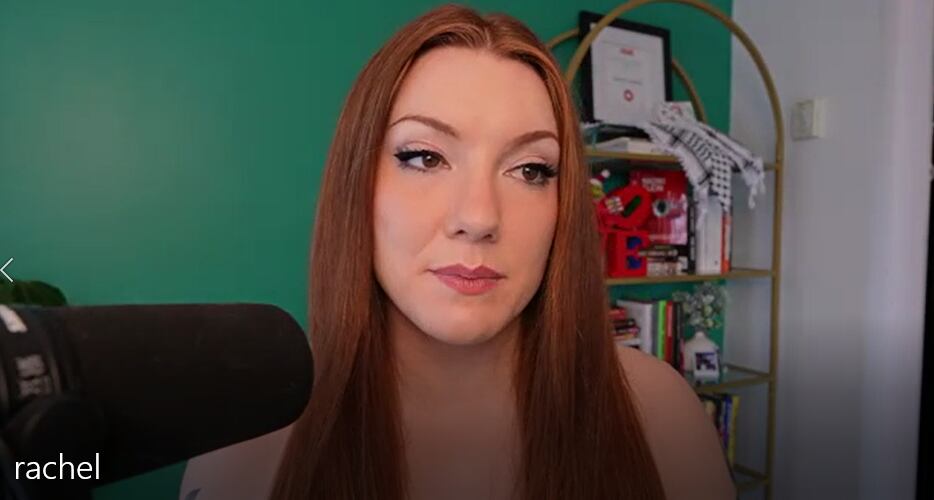
Gilmore has spoken openly about the “paper trail” she feels she is creating for her own future murder. Her account of men showing up at music venues, posting videos of themselves wielding knives, and sharing her real-time location illustrates the terrifying reality of digital-to-physical violence. For journalists like Gilmore, the lack of institutional follow-through from law enforcement transforms the act of reporting into a high-stakes game of survival.
Why Canada Is Struggling with Press Freedom
Canada, often viewed as a beacon of democracy, is seeing a troubling decline in its global standing. In the 2026 Reporters Without Borders World Press Freedom Index, Canada sits at 20th place, a slide that correlates directly with the rise of online harassment targeting female and minority journalists.
Experts like Brent Jolly, president of the Canadian Association of Journalists (CAJ), argue that this is not an isolated issue but a structural one. The pattern is clear: create a hostile environment, make the price of entry into the public conversation too high, and force the most vulnerable journalists to quit.
The Burden on Freelancers and Minorities
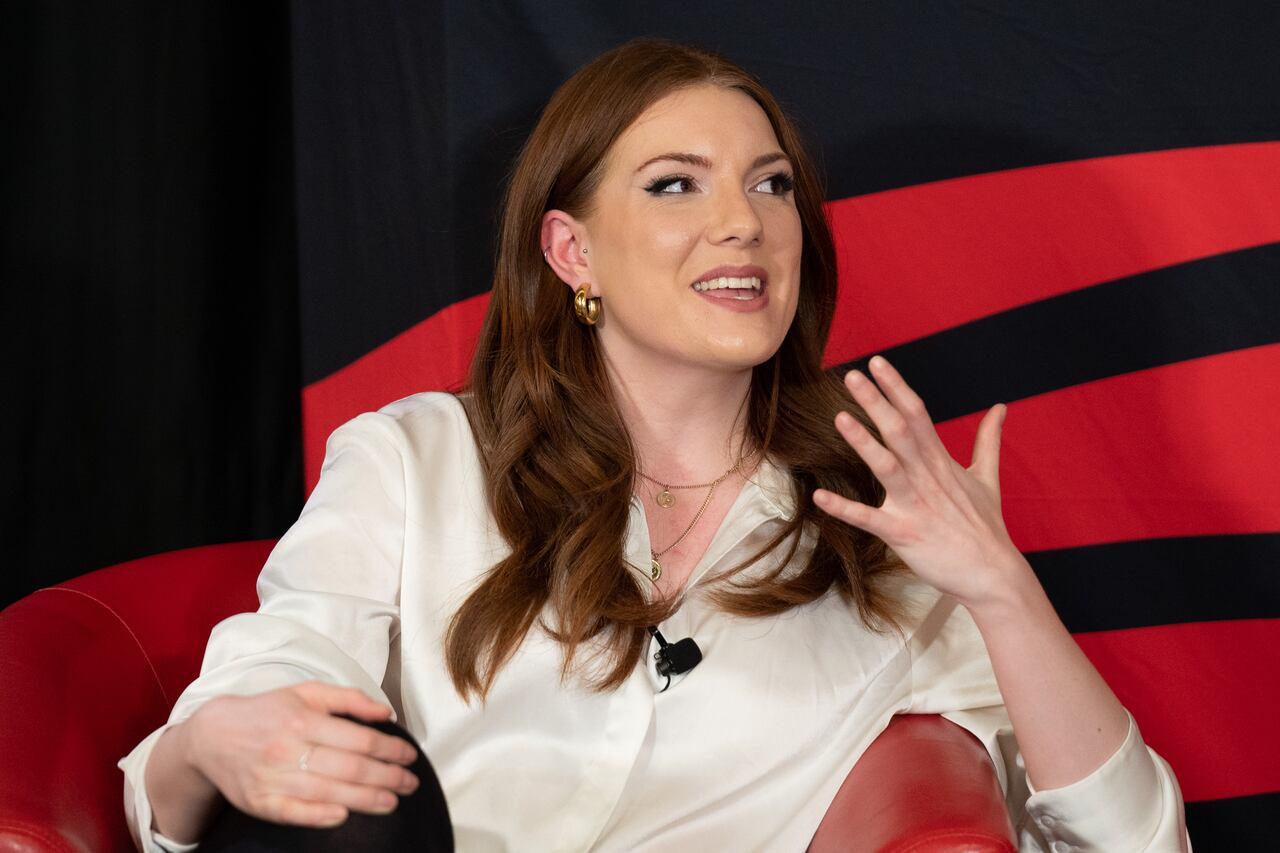
While major newsrooms have begun implementing safety plans and “buddy systems” for staff, the burden falls disproportionately on independent journalists and freelancers. These individuals lack the institutional backing of a large legal department or corporate security, leaving them to navigate the threats entirely on their own.
The Role of AI and Anonymity
The 2026 landscape is further complicated by the rapid integration of Artificial Intelligence (AI) in the harassment ecosystem. AI-generated deepfakes and automated bot swarms allow abusers to act with unprecedented scale and anonymity.
- Weaponized Anonymity: Digital platforms often lack the accountability mechanisms to unmask serial harassers, emboldening them to escalate from verbal abuse to real-world threats.
- Gendered Disinformation: Harassers use sophisticated, gendered smear campaigns to discredit the professional credibility of female reporters, often targeting their appearance or personal lives to divert attention from their reporting.
Moving Toward Solutions
If we are to preserve the health of our democracy, “scaling back” social media presence cannot be the solution. As Rachel Gilmore rightly points out, telling journalists to hide is a form of double victimization. It rewards the aggressors by silencing the very people who provide critical, diverse perspectives.
What Needs to Change?
Legislative Reform: Policy must evolve to treat digital threats with the same urgency as physical ones. Law enforcement agencies require specialized training to investigate telecommunications-based harassment.
Corporate Responsibility: Social media platforms must move beyond performative content moderation. Implementing effective, real-time responses to targeted harassment campaigns is a non-negotiable requirement for 2026 and beyond.
Institutional Solidarity: Newsrooms must extend support systems to their freelance contributors. Protecting the journalist is not just a matter of duty—it is a matter of protecting the public’s right to know.
Conclusion: A Call for Action
The UN report serves as a wake-up call. When female journalists are forced to choose between their safety and their careers, the entire public loses. We are currently witnessing a dangerous trend where the “price of admission” for public discourse is being set by those who use violence and intimidation to silence others.
It is time to move past the era of telling women to “get used to it” or to “simply log off.” Protecting journalists is the frontline of defending democracy. Without systemic change, we risk losing the voices that keep power in check—and that is a loss we cannot afford.