Beyond the Millions: The Heart-Wrenching Story Behind So Happy’s 2026 Kentucky Derby Run

The world of horse racing is often defined by cold, hard numbers: stud fees, auction prices, and betting odds. However, the 2026 Kentucky Derby season offered a poignant reminder that some things in sports are simply not for sale. When So Happy, the breakout star of the Grade I Santa Anita Derby, arrived at Churchill Downs, he carried more than just the hopes of his connections—he carried a legacy of love, grief, and a firm refusal to cash in on a dream.
Hans and Ana Maron, the primary owners of the colt, found themselves at the center of a massive industry firestorm when they turned down “multiple seven-figure” offers for the horse just weeks before the Run for the Roses. In a sport where horses are frequently sold to the highest bidder at the peak of their value, the Marons’ decision to retain ownership remains one of the most talked-about narratives of the 2026 racing calendar.
The Millions Left on the Table
Following his dominant victory in the Santa Anita Derby on April 4, 2026, So Happy transformed from a promising contender into a household name. As he climbed the Kentucky Derby leaderboard, securing 115 points and a firm position in the starting gate, phone calls from major racing syndicates and international buyers began to flood the Marons’ office.
Hans Maron, a successful entrepreneur and co-founder of Fairlife, admitted that the offers were substantial. When pressed by media outlets about the specific valuation, Maron confirmed the bids were in the “multiple seven-figure” range. Despite the horse having been purchased for a modest $150,000—a steal considering his later performance—the owners chose to prioritize the emotional integrity of the journey over an immediate, life-changing payout.
Why Money Didn’t Talk
For many, the “rational” move would have been to sell. In the high-stakes world of Thoroughbred racing, a ninth-place finish—like the one So Happy ultimately recorded on that first Saturday in May—can drastically reduce a horse’s market value. However, Hans Maron viewed the situation through a different lens.
Preserving the Narrative: The story of So Happy was inextricably linked to trainer Mark Glatt. Following the tragic passing of Glatt’s wife, the horse became a symbol of resilience for the entire stable.
Avoiding Complications: Bringing in new partners or selling the horse would have “muddied the waters” during a time of immense personal transition for the trainer.
- Financial Independence: Having already achieved significant success in the business world, the Marons noted that selling the horse was not a financial necessity.
The Emotional Stakes of the 2026 Derby
The 152nd running of the Kentucky Derby was never just about the $3 million purse for the Maron family. For trainer Mark Glatt, this was his first Derby contender in over 30 years. The journey was marked by deep melancholy, as the stable had been navigating the aftermath of the loss of Glatt’s wife, who passed away in February.
The horse’s path to the Derby was anything but conventional. Originally a 38-1 longshot during his racing debut, So Happy defied the odds, proving that he could handle the grueling 1 1/4-mile distance that often breaks the spirit of lesser horses. His victory at Santa Anita silenced critics who questioned his pedigree and stamina, cementing his status as a legitimate contender.
A Legacy of Loss and Hope
The connection between the horse and those around him was palpable. So Happy’s only loss leading up to the Derby occurred on March 7, a date that marked the five-year anniversary of the death of a close family member to the Miller household, who were also deeply involved in the horse’s development. This synergy between personal grief and professional achievement created a narrative that resonated with fans across the country.
The Race at Churchill Downs
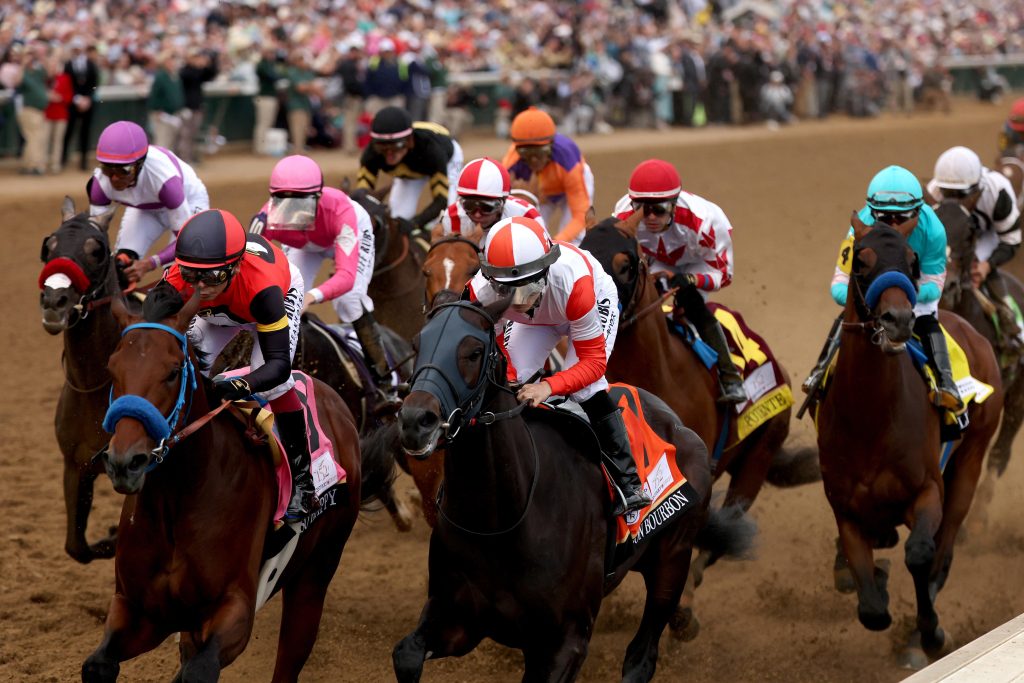
When the gates opened at Churchill Downs on May 2, 2026, the atmosphere was electric. So Happy broke well and showed the early speed that had made him a fan favorite throughout the spring. As the field turned for home, the crowd roared for the underdog story that had captured the imagination of the racing world.
While So Happy ultimately faded to ninth, the result did little to diminish the pride of his connections. In a sport that often views horses as commodities, the Marons’ decision to stay the course remains a testament to the human element of racing. They chose to be present for the experience of a lifetime rather than a quick return on investment.
Lessons from the Track
The story of So Happy serves as a masterclass in the difference between value and price. While the horse’s valuation fluctuated after the Derby, the memories created by the Maron family and the Glatt stable are permanent.
- Integrity in Ownership: Owners who prioritize the well-being of the horse and the emotional health of their team often find rewards that go beyond the winner’s circle.
- The Underdog Factor: The 2026 Derby proved once again that the most compelling stories aren’t always written by the favorites who sell for record-breaking millions.
- Resilience in Sport: Whether it’s the horse’s ability to bounce back from a longshot debut or the trainer’s ability to continue their career through personal tragedy, the Kentucky Derby remains the ultimate stage for human spirit.
Conclusion: A Story Worth More Than Gold
As the dust settles on the 2026 racing season, the case of So Happy will be studied as a unique intersection of business, emotion, and sport. Hans and Ana Maron’s refusal to sell their prize colt wasn’t about being irrational; it was about honoring a promise to a trainer and a horse that had become part of their family.
While the ninth-place finish at Churchill Downs might have disappointed those looking for a financial windfall, the Marons walked away with something far more valuable: the knowledge that they allowed their horse to chase glory on his own terms. In an industry that is often accused of losing its soul to the bottom line, So Happy reminded us all why we watch: for the moments that money simply cannot buy.