Met Police Chief Mark Rowley Defends Action Against Zack Polanski Amid Political Firestorm

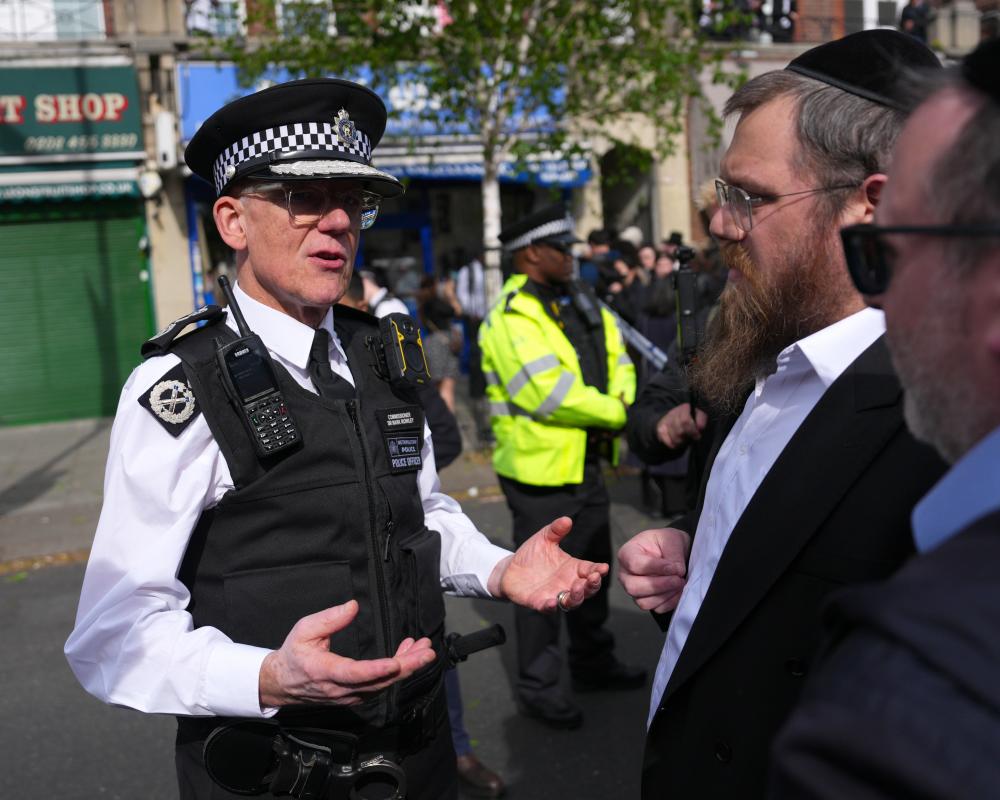
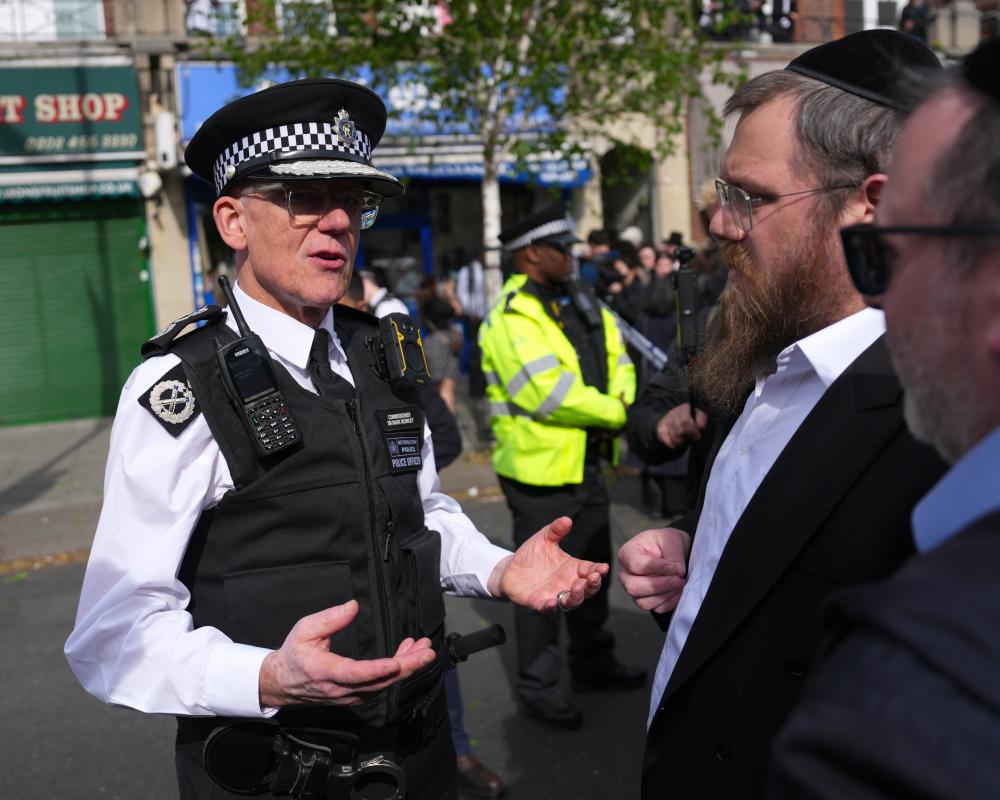
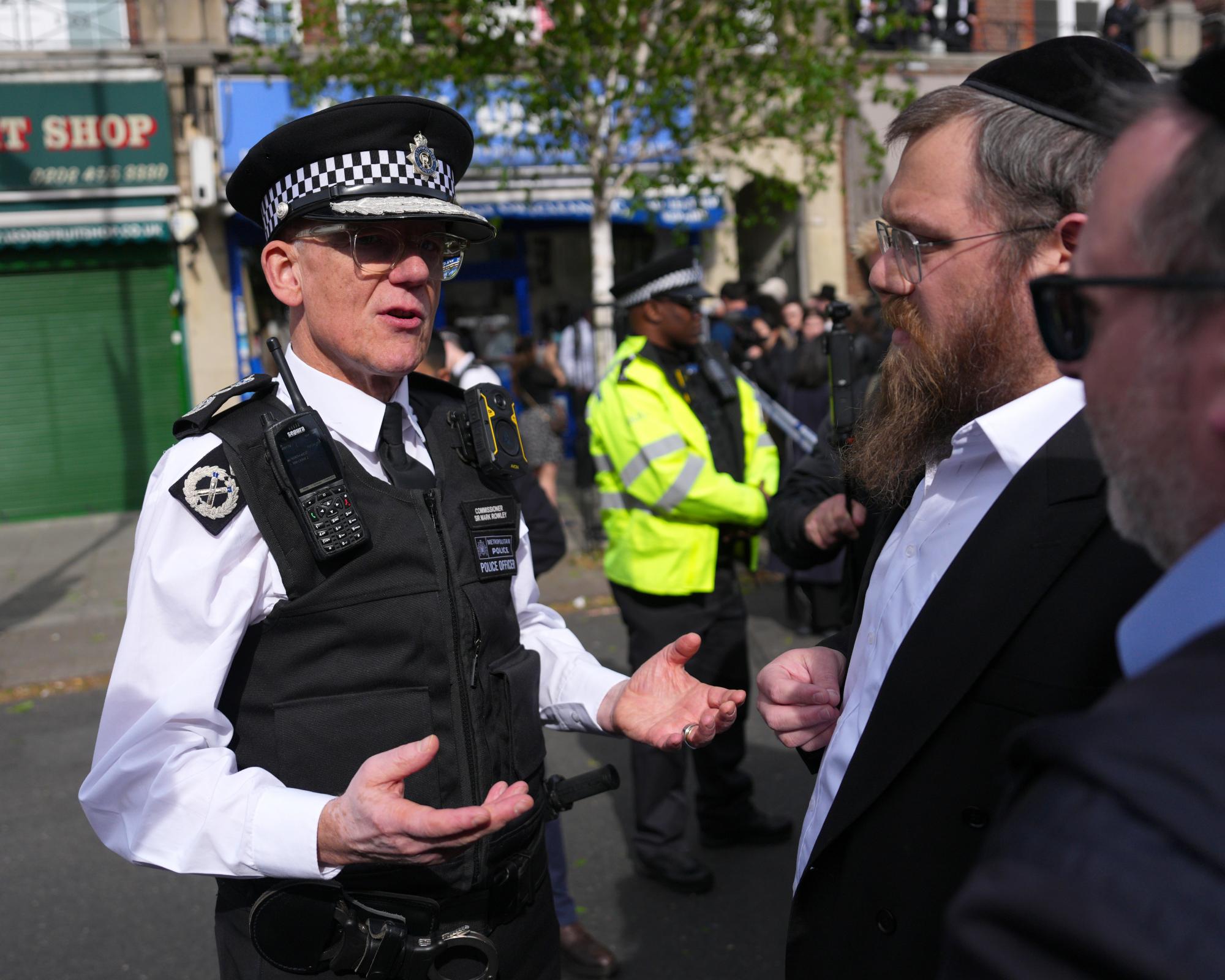
In a high-stakes standoff that has gripped the UK political landscape in 2026, Metropolitan Police Commissioner Sir Mark Rowley has found himself at the center of a heated debate regarding the intersection of law enforcement and political accountability. The controversy erupted after Rowley took the rare step of issuing an open letter to Green Party leader Zack Polanski, sharply rebuking the politician for his social media activity surrounding the arrest of a suspect in the Golders Green attack.
As the UK navigates a period of heightened national security and shifting public sentiment, this confrontation raises fundamental questions about the role of police leadership in an era of viral misinformation.
The Catalyst: A Viral Post and a Police Rebuttal
The tension began when Zack Polanski reshared a post on X (formerly Twitter) that criticized the conduct of Metropolitan Police officers during the arrest of a suspect involved in the Golders Green attack. The original post alleged that officers were “violently kicking” an incapacitated man, an accusation that sparked immediate outrage online.
Sir Mark Rowley, acting swiftly to protect the morale and integrity of his force, responded with an open letter. He described Polanski’s amplification of the footage as “inaccurate and misinformed,” arguing that such commentary “undermines officer confidence” at a time when they are tasked with managing extreme threats.
Was It Political Interference?
Critics and commentators have questioned whether the Commissioner’s public rebuke of a political leader constitutes a breach of the neutrality expected of the police force. During an appearance on LBC and Times Radio, Sir Mark Rowley was categorical in his denial.
“I’m not intervening in politics,” Rowley asserted. He argued that his intervention was not a political maneuver but a necessary defense of operational policing. According to the Commissioner, when an influential figure spreads misinformation that threatens to destabilize public order or demoralize officers, the head of the force has a duty to set the record straight.
The Broader Context: Policing Protests in 2026
The spat between Rowley and Polanski is not occurring in a vacuum. The UK is currently grappling with the fallout of sustained, often controversial, pro-Palestine marches and a raised terror threat level following the Golders Green incident.
Government ministers, including those within Keir Starmer’s administration, are under immense pressure to tighten the rules surrounding public demonstrations. The debate has intensified following reports of antisemitic chanting and the glorification of violence at some of these events.
Rising Tensions and Government Scrutiny
Operational Concerns: Commissioner Rowley has expressed deep concern regarding the scale of upcoming marches planned for mid-May. He noted that the police are actively reviewing the conditions and powers available to them to manage these events effectively.
The “Hijacking” Narrative: Minister for Victims Alex Davies-Jones has claimed that legitimate protests have been “hijacked” by individuals seeking to sow division. While maintaining that the right to protest is fundamental, the government is increasingly looking at legislative measures to curb extremist rhetoric.
- Terrorism Legislation: Jonathan Hall, the independent reviewer of terrorism legislation, has gone as far as suggesting a temporary ban on certain marches, citing the risk that they may “incubate” antisemitic sentiment.
The Green Party’s Perspective
The Green Party’s reaction has been cautious. A spokesperson indicated that while Polanski had viewed the footage like millions of others, he lacked the full operational context of the arrest. The party maintains that there is a genuine public interest in understanding the nature of police responses, especially in high-pressure scenarios involving the use of force.
However, the internal and external criticism of Polanski has been swift. Even within his own political circles, some have questioned the wisdom of sharing unverified, inflammatory content regarding police conduct without a deeper investigation into the circumstances.
Why This Matters for UK Politics
This incident serves as a microcosm of the challenges facing public institutions in 2026. As digital platforms allow for the rapid spread of video content, the “truth” of an event is often contested before the police have even completed their initial reports.
The Challenge of Modern Policing
- The Transparency Paradox: The Met’s decision to release body-worn camera footage to counter the narrative shows that transparency is now a primary tool for operational defense.
- Social Media Accountability: The expectation for politicians to exercise due diligence before resharing potentially inflammatory content is at an all-time high.
- Neutrality vs. Advocacy: The public expects police leaders to remain neutral, yet they also demand that these leaders stand up for their officers when they are being publicly vilified.
Conclusion: A Delicate Balance
As the UK approaches local elections, the pressure on the Metropolitan Police to maintain order while respecting civil liberties has never been greater. Sir Mark Rowley’s decision to call out Zack Polanski highlights a shift in how police chiefs engage with the public sphere.
By framing his letter as a defense of “operational policing” rather than a political attack, Rowley has attempted to draw a firm line. However, as the government continues to weigh new measures on protest restrictions, the boundary between maintaining public order and navigating political optics will remain a volatile space. Whether this incident marks a new norm for police-politician relations or remains an isolated case of public frustration, it is clear that the scrutiny on both the Met and political leaders will only intensify in the weeks to come.