Kinahan Cartel’s Sean McGovern Sentencing: Inside the Fall of a Senior Lieutenant in 2026

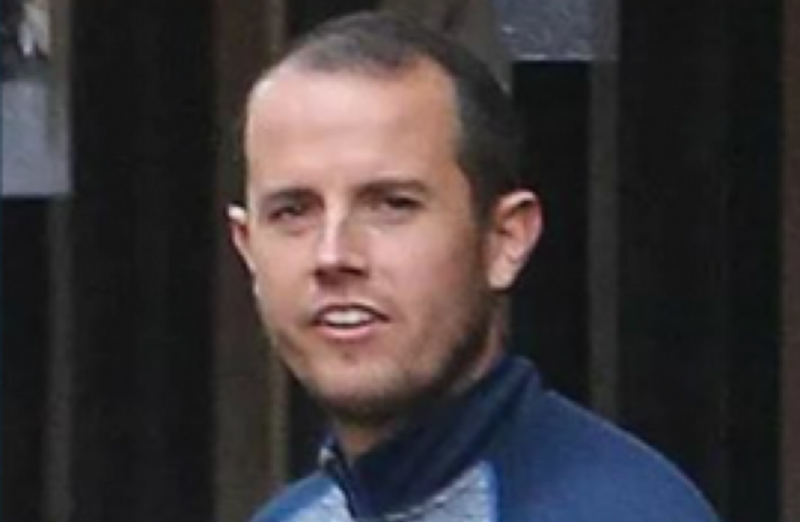
The landscape of Irish organized crime has reached a definitive crossroads. As we move through the middle of 2026, the once-impenetrable wall surrounding the Kinahan Organised Crime Group (KOCG), a notorious transnational criminal organization, has not just cracked—it has crumbled. At the center of this seismic shift is Sean McGovern, a man once described as the “right-hand man” to Daniel Kinahan.
With his sentencing scheduled for June 8 at the Special Criminal Court in Dublin, the legal proceedings mark one of the most significant victories for An Garda Síochána and international law enforcement cooperation in a decade, underscoring the strength of the Irish criminal justice system. McGovern, now 40, faces the very real prospect of life behind bars after pleading guilty to charges that strike at the heart of the deadly Hutch-Kinahan gangland feud.
The Architect of Chaos: Who is Sean McGovern?
To understand the weight of the upcoming sentencing, one must understand Sean McGovern’s position within this sprawling organised crime network. For years, McGovern was more than just a member; he was a senior lieutenant operating with high-level authority.
Originally from Kildare Road in Crumlin, McGovern’s trajectory within the underworld was accelerated by his proximity to the cartel’s leadership. He was not merely a foot soldier; he was an orchestrator of its deadly drug trafficking operations and wider criminal conspiracy. His influence stretched from the streets of Dublin to the luxury villas of Dubai, where he sought refuge for years before the tide of international cooperation turned against the cartel.
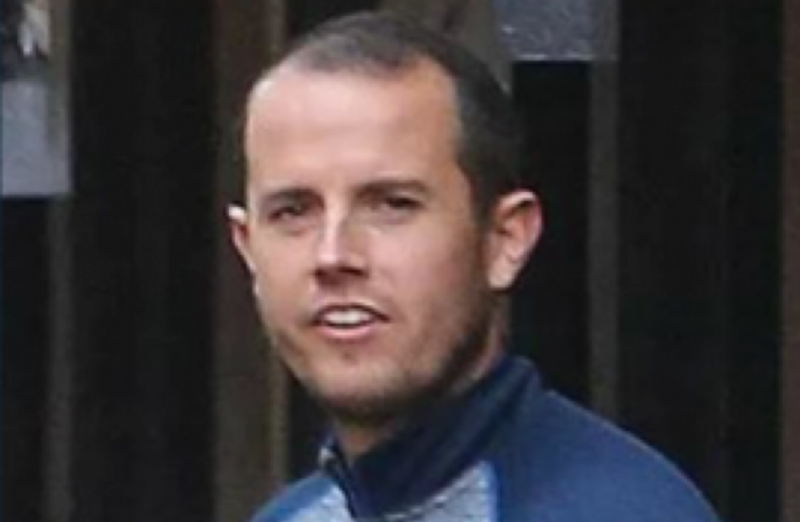
McGovern’s own history is inextricably linked to the violence he is accused of directing. He was present—and wounded—during the infamous Regency Hotel shooting in 2016, an event that acted as the catalyst for a feud that would claim nearly 20 lives.
The Charges: Directing a Criminal Organisation
In a landmark moment for the Irish justice system, addressing serious public safety concerns, McGovern pleaded guilty to two counts of directing the activities of a criminal organisation. These charges are specifically linked to the height of the gangland violence between 2015 and 2017.
The Murder of Noel Kirwan
The most harrowing aspect of the case involves the death of Noel “Duck Egg” Kirwan. In December 2016, Kirwan, a 62-year-old grandfather with no involvement in organized crime, was shot dead while sitting in his car outside his home. His only “crime” in the eyes of the cartel was his lifelong friendship with Gerry “The Monk” Hutch. McGovern’s guilty plea confirms his role in the logistical lead-up to this cold-blooded assassination.
The Targeting of James ‘Mago’ Gately
McGovern also admitted to directing the monitoring and targeting of James ‘Mago’ Gately. The court heard how the cartel engaged in a sophisticated operation to track Gately with the intent to murder him. While that specific attempt did not result in a fatality at the time, the level of planning involved highlighted the “industrial scale” of the cartel’s operations under McGovern’s direction.
The Dubai Factor: A Historic Extradition
The road to the Special Criminal Court was paved by a diplomatic breakthrough that changed the rules of engagement for Irish gangland figures and marked a significant step in global anti-gangland efforts. For years, the United Arab Emirates (UAE) was considered a “safe haven” for the Kinahan leadership. However, in a historic move last year, McGovern became the first person to be extradited from the UAE to Ireland.
This extradition sent shockwaves through the criminal underworld. It signaled that the “Dubai era” of impunity was over. During recent court hearings, McGovern’s legal team sought “credit” for the time he spent in what they described as “onerous” conditions in a Dubai prison.
While the defense argues that the harshness of his detention abroad should mitigate his final sentence, the prosecution remains firm on the gravity of his crimes. The Special Criminal Court judges must now weigh the “onerous” nature of his foreign detention against the devastating impact his actions had on Irish society.
Key Evidence: The Role of Encrypted Messaging
One of the pillars of the prosecution’s case was the use of encrypted messaging data. As seen in several high-profile cartel trials leading up to 2026, the decryption of platforms like EncroChat and SkyECC provided a “smoking gun” for investigators.
The court heard that McGovern was a “senior lieutenant operating on the ground,” using these secure channels to coordinate hits, track movements, and manage the cartel’s deadly logistics. These texts provided an unfiltered look into the clinical and detached manner in which the cartel planned its executions.
The 2026 Context: A Cartel in Retreat
As we await the June 8 sentencing, the broader context of 2026 shows a cartel in its death throes. Justice Minister Jim O’Callaghan recently congratulated An Garda Síochána, noting that the prosecution of McGovern represents a “turning of the tide.”
Financial Crippling: Global sanctions led by the US Treasury have frozen the cartel’s assets, making it difficult for remaining members to fund their money laundering schemes and operations.
Leadership Vacuum: With McGovern facing life and Daniel Kinahan himself facing increasing legal pressure, the cartel lacks the “middle management” necessary to sustain its influence.
- State Resolve: The Special Criminal Court has become a fortress of justice, processing high-ranking gang members with a efficiency that has significantly reduced gangland shootings in Dublin.
What to Expect on June 8
The sentencing of Sean McGovern is expected to be a high-security event. Given the nature of the charges—directing a criminal organization—the judges have the authority to impose a life sentence.
Legal analysts suggest that while his guilty plea will afford him some level of mitigation, the “unrelenting nature” of the crimes and the fact that he fled the jurisdiction for years will likely result in a very substantial custodial sentence.
The court will also consider:
- The Victim Impact Statements: The families of those affected by the cartel’s violence, particularly the Kirwan family, whose lives were shattered by a senseless murder.
- The Plea of Mitigation: McGovern’s defense will continue to highlight his early guilty plea as a sign of remorse and a way to save the state the cost of a lengthy trial.
- The Deterrent Factor: The court’s need to send a clear message to any remaining gangland figures that directing criminal activity from abroad offers no protection from Irish law.
Conclusion: The End of an Era
The sentencing of Sean McGovern is more than just a legal conclusion for one man; it is a symbolic end to an era of unprecedented gangland violence in Ireland. From the streets of Crumlin to the high-rises of Dubai, McGovern’s journey has ended where many predicted: in the dock of the Special Criminal Court.
As June 8 approaches, the eyes of the nation remain on the judiciary. For the families of the victims, no sentence can truly undo the damage done, but the conviction of a “senior lieutenant” provides a semblance of justice that seemed impossible only a few years ago. The Kinahan cartel, once thought to be “too big to fail,” has found that in 2026, no one is beyond the reach of the law.