The Strait of Hormuz Standoff: Why Global Energy Markets Remain in Limbo

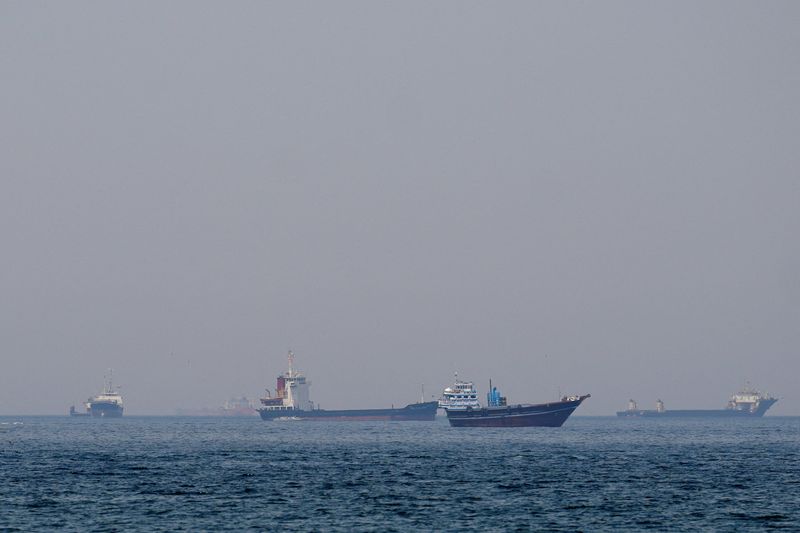
The world’s most vital maritime chokepoint, the Strait of Hormuz, remains effectively paralyzed as of April 2026. Following the escalation of the U.S.-Iran conflict that ignited on February 28, the waterway—which historically facilitated the movement of nearly 20% of global oil and liquefied natural gas (LNG) supplies—has seen its daily traffic plummet from an average of 140 vessels to a mere handful. This ongoing maritime blockade represents a seismic shift in global trade dynamics, leaving energy markets and logistics chains in a state of high-stakes uncertainty.

The Current State of Maritime Transit
Shipping data from the past 24 hours confirms that the Strait is far from operational. With only three vessels successfully navigating the passage, the contrast to pre-war activity is stark. The current “trickle” of traffic includes the Ean Spir products tanker, which managed to transit after departing an Iraqi port, and the Lianstar cargo ship, which moved out from an Iranian facility.
Perhaps most emblematic of the current tension is the Meda LPG tanker. After a failed initial attempt to exit the Gulf, the vessel successfully crossed the strait on Monday, but only after intense monitoring by satellite analytics firms like SynMax. This fragmented movement underscores a reality where transit is no longer a matter of routine logistics but a calculated gamble against regional military posturing.
The Geopolitical Roots of the Blockade
The current paralysis is the direct result of a dual-pronged restriction strategy. On one side, the United States has enforced a stringent blockade of Iranian ports, aiming to restrict the movement of goods and revenue. In direct retaliation, Tehran has imposed its own strictures on the Strait, effectively holding the global economy hostage as a bargaining chip in its ongoing confrontation with Washington.
The Breakdown of Diplomatic Efforts
While there was a brief glimmer of hope last Friday when Iran declared the Strait open—leading to a temporary surge of over a dozen tankers—that optimism has since evaporated. The ceasefire, which many analysts hoped would provide a pathway to stability, is currently in jeopardy.
Recent developments have poured gasoline on the fire:
- The Seizure Dispute: Tensions spiked after the U.S. intercepted an Iranian vessel, prompting a vow of retaliation from Tehran.
- Refusal of Negotiations: Iran has formally declined to participate in the latest round of peace talks, signaling that the current stalemate may persist for the foreseeable future.
- Naval Assertiveness: The Iranian army recently claimed that a tanker successfully entered its territorial waters from the Arabian Sea, supported by the Iranian Navy, despite explicit warnings from the U.S. naval task force in the region.
Economic Implications: Beyond the Pumps
The economic fallout of the Hormuz crisis extends far beyond the immediate impact on oil prices. As a critical artery for global energy, the disruption forces a re-evaluation of energy security for nations reliant on Gulf imports.
Impact on Global Trade
The Strait of Hormuz is not just about oil; it is a vital conduit for the global petrochemical supply chain. With traffic largely halted, the following sectors are feeling the pressure:
- Insurance Premiums: Maritime insurance providers have drastically hiked rates for any vessels daring to enter the Gulf, making the cost of shipping prohibitive.
- Global LNG Supply: With the Strait restricted, the flow of liquefied natural gas to Europe and Asia is severely hampered, threatening to exacerbate energy shortages heading into the next winter season.
- Logistical Re-routing: Shipping companies are being forced to explore longer, more expensive routes, increasing the carbon footprint of global trade and causing significant delays in cargo delivery.
The Future of the Strait: A “New Normal”?
As we look toward the remainder of 2026, the situation remains fluid. The “live tracking” of the Strait has become the most watched data point for commodity traders and geopolitical strategists alike. The central question remains: can the international community facilitate a diplomatic breakthrough, or is the Strait of Hormuz destined to remain a contested zone?
The refusal of Iran to engage in peace talks suggests that the “largely halted” status of the waterway may be the new normal for the immediate future. Until the U.S. naval blockade is lifted or a robust, internationally recognized security corridor is established, the risk of accidental escalation remains high.
Analytical Insights for Stakeholders
For businesses and investors, the key takeaway is the need for diversification in supply chains. Relying on a single chokepoint for global energy transit has proven to be a strategic liability. Companies are now looking toward alternative energy corridors, including increased reliance on pipeline infrastructure and non-Gulf energy exporters.
Furthermore, the role of satellite intelligence has never been more critical. Tools that provide real-time visibility into vessel movements are no longer just for analysts—they are essential for any organization with exposure to global maritime trade.
Conclusion: A Fragile Balance
The situation in the Strait of Hormuz is a stark reminder of how fragile global trade infrastructure truly is. With only three ships passing in a 24-hour window, the world is witnessing the impact of a geopolitical standoff on the lifeblood of the global economy. As diplomatic efforts falter and military rhetoric intensifies, the international community must prepare for a period of prolonged volatility. The events of April 2026 will likely be studied for years to come as a definitive case study in the intersection of maritime security, energy policy, and international diplomacy.